

Skin aging is a natural part of life, but dermatologists say that understanding how skin changes over time can make a significant difference in maintaining its health and appearance. As people live longer and become more focused on preventive wellness, skincare has increasingly shifted from chasing quick fixes to supporting long-term skin health.
Today’s experts emphasize that mature skin requires a different approach than younger skin. Rather than relying on harsh treatments or trendy products, successful routines focus on protecting the skin barrier, encouraging healthy cell turnover, maintaining hydration, and preventing further damage.
Understanding what happens beneath the skin’s surface is often the first step toward creating an effective skincare routine.
Why Skin Changes With Age
Aging affects every layer of the skin.
One of the most noticeable changes is a slower rate of cell turnover. In younger skin, old cells are shed and replaced relatively quickly. As people age, this renewal process slows, which can contribute to dullness, rough texture, and uneven skin tone.
At the same time, oil production naturally decreases. This often leaves mature skin feeling drier, tighter, and more susceptible to irritation.
Another major factor is the gradual loss of collagen and elastin, two proteins responsible for maintaining firmness and elasticity. As their production declines, fine lines, wrinkles, and sagging become more noticeable.
Hormonal changes can also play a significant role. During and after menopause, declining estrogen levels can affect skin thickness, hydration levels, and collagen production. These changes may leave skin more fragile and prone to dryness.
In addition, natural shifts in facial fat distribution and bone density can alter facial contours over time, contributing to the visible signs of aging.
The Foundation of an Effective Evening Routine
Dermatologists often view nighttime skincare as an opportunity for repair and renewal.
A gentle cleanser is typically the first step. Harsh cleansers can strip away natural oils and weaken the skin barrier, making dryness and sensitivity worse. Instead, experts recommend hydrating formulations that clean the skin without leaving it feeling tight or uncomfortable.
After cleansing, many dermatologists recommend incorporating a retinoid into an anti-aging routine.
Retinoids are widely considered one of the most researched ingredients in skincare. They work by encouraging cell turnover, supporting collagen production, and improving overall skin texture. Consistent use over time may help reduce the appearance of fine lines and promote smoother-looking skin.
Because retinoids can initially cause irritation, experts often suggest beginning slowly, using them only a few nights per week before gradually increasing frequency.
Why Gentle Exfoliation Matters
As cell renewal slows with age, dead skin cells can build up on the surface. This accumulation may contribute to a dull complexion and uneven texture.
Chemical exfoliants are often preferred over aggressive physical scrubs for mature skin. Ingredients such as lactic acid can gently remove dead skin while also providing moisturizing benefits.
However, dermatologists caution against over-exfoliating. Excessive exfoliation can damage the skin barrier and increase sensitivity.
Many experts recommend alternating exfoliation nights with retinoid use to allow the skin adequate time to recover.
The goal is not aggressive resurfacing but rather supporting healthy skin turnover in a controlled manner.
Peptides and Collagen Support
Peptides have become increasingly popular in modern skincare routines because of their ability to support the skin without causing significant irritation.
These amino acid compounds act as building blocks for proteins found naturally in the skin. While they are not a substitute for retinoids, dermatologists often view peptides as a complementary ingredient that may help support firmness and overall skin quality.
Because peptides are generally well tolerated, they can be especially useful for people with sensitive or mature skin who want additional anti-aging support without increasing irritation.
Hydration Becomes More Important With Age
One of the most critical needs of mature skin is maintaining adequate moisture.
A weakened skin barrier can allow moisture to escape more easily, leading to dryness and discomfort. Rich moisturizers containing ingredients such as ceramides, glycerin, and hyaluronic acid help reinforce the barrier while improving hydration levels.
Well-hydrated skin often appears smoother, healthier, and more resilient.
Dermatologists frequently stress that anti-aging products work best when the skin barrier itself remains healthy and intact.
Without proper hydration, even highly effective active ingredients may become difficult to tolerate.
Building a Smarter Morning Routine
While nighttime routines focus on repair, morning skincare is largely about protection.
A simple cleanse can remove overnight buildup and prepare the skin for daytime products. Following cleansing, antioxidant products such as vitamin C serums are commonly recommended.
Antioxidants help defend the skin against environmental stressors including pollution and ultraviolet exposure. They may also support collagen preservation and improve overall skin brightness.
Some people choose copper peptide serums as an additional option for supporting skin health and repair.
Sunscreen Remains the Most Important Anti-Aging Product
Ask most dermatologists for the single most important anti-aging recommendation and the answer is likely to be sunscreen.
Ultraviolet radiation remains one of the primary external causes of premature skin aging. Daily sun exposure contributes to wrinkles, pigmentation changes, loss of elasticity, and collagen breakdown.
Experts recommend applying a broad-spectrum sunscreen every morning, regardless of weather conditions. Consistent protection helps reduce ongoing damage and supports the long-term effectiveness of other skincare products.
For many individuals, daily sunscreen use may have a greater impact on skin aging than any single serum or treatment.
A Long-Term Approach to Healthy Aging
The modern approach to mature skincare is less about reversing age and more about supporting skin health throughout the aging process.
Dermatologists emphasize that consistency is often more important than complexity. A routine built around gentle cleansing, targeted active ingredients, proper moisturization, and daily sun protection can help maintain healthy, resilient skin over time.
As understanding of skin aging continues to evolve, experts agree on one principle: caring for mature skin is not about fighting age, but about helping the skin function at its healthiest at every stage of life.
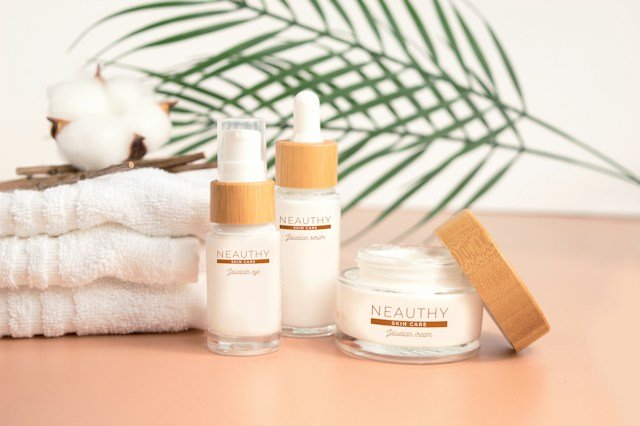
Photo by Neauthy Skincare on Unsplash