

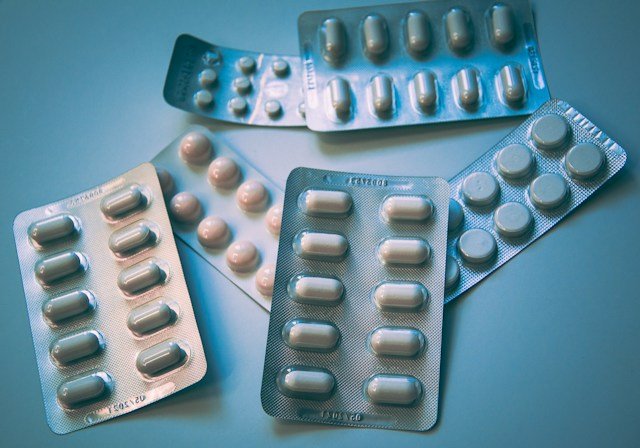
For generations, antibiotics have been among the most powerful tools in medicine. These drugs have helped doctors treat bacterial infections, perform complex surgeries safely, support cancer treatments, and save countless lives. Illnesses that once carried a high risk of death became manageable thanks to medications that could quickly stop dangerous bacteria from spreading.
Today, however, health experts across the globe are warning about a growing challenge: antibiotic resistance. This occurs when bacteria evolve and develop the ability to survive medicines that once killed them. As resistance increases, infections become harder to treat, recovery takes longer, healthcare costs rise, and the risk of serious complications grows.
What was once viewed as a future concern has become a current global health issue affecting hospitals, communities, and families around the world.
Understanding How Antibiotic Resistance Develops
Bacteria naturally adapt to survive. Every time antibiotics are used, some bacteria may survive treatment due to genetic changes that help them resist the drug’s effects. These surviving bacteria can multiply and spread, eventually creating infections that standard medications can no longer effectively treat.
The problem becomes more serious when antibiotics are used unnecessarily. Many people still request antibiotics for illnesses caused by viruses, such as colds or influenza, even though antibiotics do not work against viral infections. In some regions, antibiotics may also be purchased without proper medical guidance, increasing misuse and accelerating resistance.
Over time, bacteria learn to overcome one treatment after another, forcing healthcare providers to rely on stronger medications. Unfortunately, even these advanced antibiotics are beginning to lose their effectiveness against certain infections.
Why This Matters Beyond Hospitals
Many people associate antibiotic resistance with intensive care units or rare diseases, but its effects extend far beyond hospital walls.
Routine medical procedures depend on effective antibiotics. Surgeries, organ transplants, joint replacements, and chemotherapy treatments all carry infection risks. Without reliable antibiotics, these procedures become significantly more dangerous.
A simple urinary tract infection, a wound infection, or pneumonia can become much more difficult to treat when resistant bacteria are involved. What was once a straightforward health issue may require extended hospitalization, more expensive medications, and longer recovery periods.
This growing threat has led many public health organizations to identify antibiotic resistance as one of the most important health challenges of the 21st century.
The People Most at Risk
While anyone can develop a drug-resistant infection, certain groups face greater dangers.
Newborn babies, particularly those born prematurely, have immature immune systems and may struggle to fight infections. Older adults often have age-related immune changes that make recovery more difficult. Patients receiving chemotherapy, transplant recipients, and people living with chronic illnesses may also face increased vulnerability.
In healthcare settings where resources are limited, resistant infections can have especially serious consequences. Delays in identifying the right treatment may allow infections to progress rapidly, increasing the risk of severe illness.
Experts emphasize that antibiotic resistance is not just a problem for individual patients. It affects entire healthcare systems by increasing demand for specialized care and reducing treatment options for future patients.
How Everyday Behaviors Contribute
The rise of antibiotic resistance is influenced by more than prescriptions alone.
Poor sanitation, inadequate access to healthcare, and limited diagnostic testing can all contribute to the problem. When people cannot easily access professional medical care, they may attempt to self-treat illnesses with inappropriate medications or incomplete courses of antibiotics.
Food production practices also play a role. The use of antibiotics in agriculture has been closely examined by researchers and health organizations because resistant bacteria can spread through food systems and the environment.
Additionally, antibiotic residues and resistant bacteria can enter water systems through waste streams, creating opportunities for resistance to spread beyond healthcare settings.
These factors demonstrate that antibiotic resistance is not solely a medical issue. It is also connected to public health infrastructure, environmental management, and global food systems.
The Challenge of Creating New Antibiotics
One reason experts are concerned is that bacteria are evolving faster than new antibiotics are being developed.
Creating a new antibiotic is a lengthy and expensive process that can take years of research and testing. Meanwhile, resistant bacteria continue to adapt and spread.
Scientists are exploring new strategies, including advanced biotechnology, artificial intelligence, and innovative drug discovery methods. Researchers are also investigating alternative therapies that could enhance the body’s ability to fight infections.
While these developments offer hope, experts agree that prevention remains the most effective long-term strategy.
What Can Individuals Do?
Although antibiotic resistance is a global issue, individual actions still make a meaningful difference.
Using antibiotics only when prescribed by a qualified healthcare professional is one of the most important steps people can take. Completing prescribed treatment as directed and avoiding leftover medications can also help reduce unnecessary exposure.
Basic hygiene measures remain powerful tools. Regular handwashing, safe food handling, vaccination, and infection-prevention practices help reduce the spread of illness and lower the need for antibiotics in the first place.
Supporting public health efforts that improve sanitation, infection control, and responsible antibiotic use can further help slow the spread of resistant bacteria.
A Growing Health Challenge for the Future
Antibiotic resistance is often described as a slow-moving crisis, but its effects are already being felt today. As infections become harder to treat, the foundations of modern medicine face increasing pressure.
The good news is that experts believe progress is possible. Through responsible antibiotic use, stronger infection prevention measures, scientific innovation, and public awareness, communities can help preserve these lifesaving medicines for future generations.
Antibiotics remain one of humanity’s greatest medical achievements. Protecting their effectiveness may be one of the most important public health responsibilities of our time.
Photo by Christine Sandu on Unsplash