

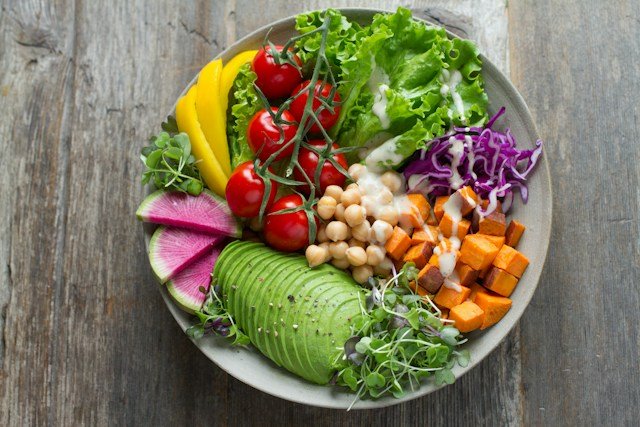
As food prices remain a concern for many households and awareness grows around age-related muscle loss, nutrition experts are increasingly highlighting the role of plant-based protein sources in supporting long-term health. Once viewed primarily as alternatives for vegetarians and vegans, foods such as beans, lentils, soy products, seeds, and whole grains are now being recognized as practical options for anyone looking to improve diet quality while managing costs.
Protein plays a vital role throughout life. It supports muscle maintenance, tissue repair, immune function, and healthy aging. The conversation around protein has traditionally focused on meat, poultry, fish, and dairy products. However, research continues to show that many plant foods provide significant amounts of protein while also delivering fiber, vitamins, minerals, and beneficial plant compounds.
At a time when healthcare professionals are emphasizing preventive health, these foods are becoming increasingly relevant for individuals seeking balanced nutrition and sustainable eating habits.
Why Protein Matters More as We Age
One reason protein has gained renewed attention is the growing focus on healthy aging. Beginning in midlife, people naturally start to lose muscle mass, a process known as sarcopenia. Without adequate protein intake and regular physical activity, this gradual muscle decline can affect strength, mobility, and overall quality of life.
Health experts often encourage adults, particularly older adults, to distribute protein intake throughout the day rather than relying on a single large meal. Incorporating a variety of protein-rich foods can help support muscle maintenance while contributing to overall nutritional balance.
Plant-based proteins can play an important role in meeting these daily needs.
Beans and Legumes Remain Nutritional Powerhouses
Among the most affordable and accessible sources of plant protein are beans and legumes.
Black beans, chickpeas, lentils, and kidney beans provide impressive amounts of protein while also supplying dietary fiber, which supports digestive health and may help improve feelings of fullness after meals. Unlike many highly processed foods, beans deliver a combination of nutrients that support heart health, blood sugar management, and gut health.
Lentils are particularly popular because they cook quickly and can be added to soups, salads, grain bowls, and side dishes. Chickpeas have also become increasingly versatile, appearing in everything from hummus to roasted snacks and plant-based entrées.
Proper preparation remains important. Soaking dried beans before cooking can improve texture and digestibility, while rinsing canned beans may reduce excess sodium.
Kidney beans require special attention because raw or undercooked beans contain naturally occurring compounds that may cause digestive distress. Thorough cooking is essential to ensure safety.
Soy Foods Continue to Stand Out
When it comes to plant proteins, soy remains one of the most complete nutritional options available.
Foods such as edamame, tempeh, and tofu contain all nine essential amino acids, making them comparable to many animal-based protein sources. Tempeh, a fermented soybean product, has gained popularity among health-conscious consumers because fermentation may improve digestibility while contributing beneficial nutrients.
Edamame, often served as steamed young soybeans, offers a convenient protein-rich snack or side dish. These foods can fit into a wide range of dietary patterns and are frequently recommended by nutrition professionals looking to increase plant-based protein intake.
Small Foods Can Deliver Big Benefits
Not all protein sources come in large portions. Seeds and whole grains make meaningful contributions throughout the day.
Hemp seeds have become increasingly popular because they provide complete protein along with heart-healthy fats. Pumpkin seeds add protein while supplying magnesium and zinc, minerals involved in muscle and immune function.
Ancient grains such as quinoa and amaranth also offer advantages beyond protein content. Their nutrient profiles include fiber, iron, and various micronutrients that contribute to overall health.
Adding seeds to smoothies, yogurt, salads, or oatmeal can increase protein intake without requiring significant dietary changes.
Greens and Plant Supplements Add Extra Nutrition
Several vegetables and plant-based supplements contribute smaller but still valuable amounts of protein.
Green peas, Brussels sprouts, and leafy greens provide protein in addition to antioxidants, vitamins, and minerals. While these vegetables may not serve as primary protein sources on their own, they help boost the nutritional quality of meals.
Meanwhile, ingredients such as moringa powder and spirulina have attracted attention for their concentrated nutrient content. These products are often incorporated into smoothies and nutrition-focused recipes as supplemental sources of vitamins, minerals, and plant protein.
Experts caution, however, that whole foods should remain the foundation of a healthy diet whenever possible.
Balancing Nutrition, Budget, and Sustainability
One reason plant proteins are attracting growing interest is their affordability compared with many animal-based products. Beans, lentils, and whole grains often provide multiple servings at a fraction of the cost of meat or seafood.
For households working within tighter food budgets, these ingredients offer a practical way to maintain nutritional quality without significantly increasing grocery expenses.
At the same time, plant-based foods align with broader discussions about environmental sustainability and food system resilience. While dietary choices remain personal, many consumers are seeking ways to diversify protein sources and reduce dependence on a single category of food.
A Practical Approach to Everyday Protein
Nutrition experts emphasize that healthy eating does not require eliminating meat or adopting an entirely plant-based lifestyle. Instead, many recommend a balanced approach that incorporates a variety of protein sources.
Adding lentils to soups, including chickpeas in salads, using tempeh in stir-fries, or sprinkling hemp seeds over breakfast foods are relatively simple ways to increase protein intake throughout the day.
As concerns about healthy aging, muscle maintenance, and food affordability continue to shape dietary choices, high-protein plant foods are likely to remain a key part of the conversation. Their combination of protein, fiber, nutrients, and versatility makes them a practical option for people seeking both nutritional value and long-term health benefits.
Photo by Anna Pelzer on Unsplash