

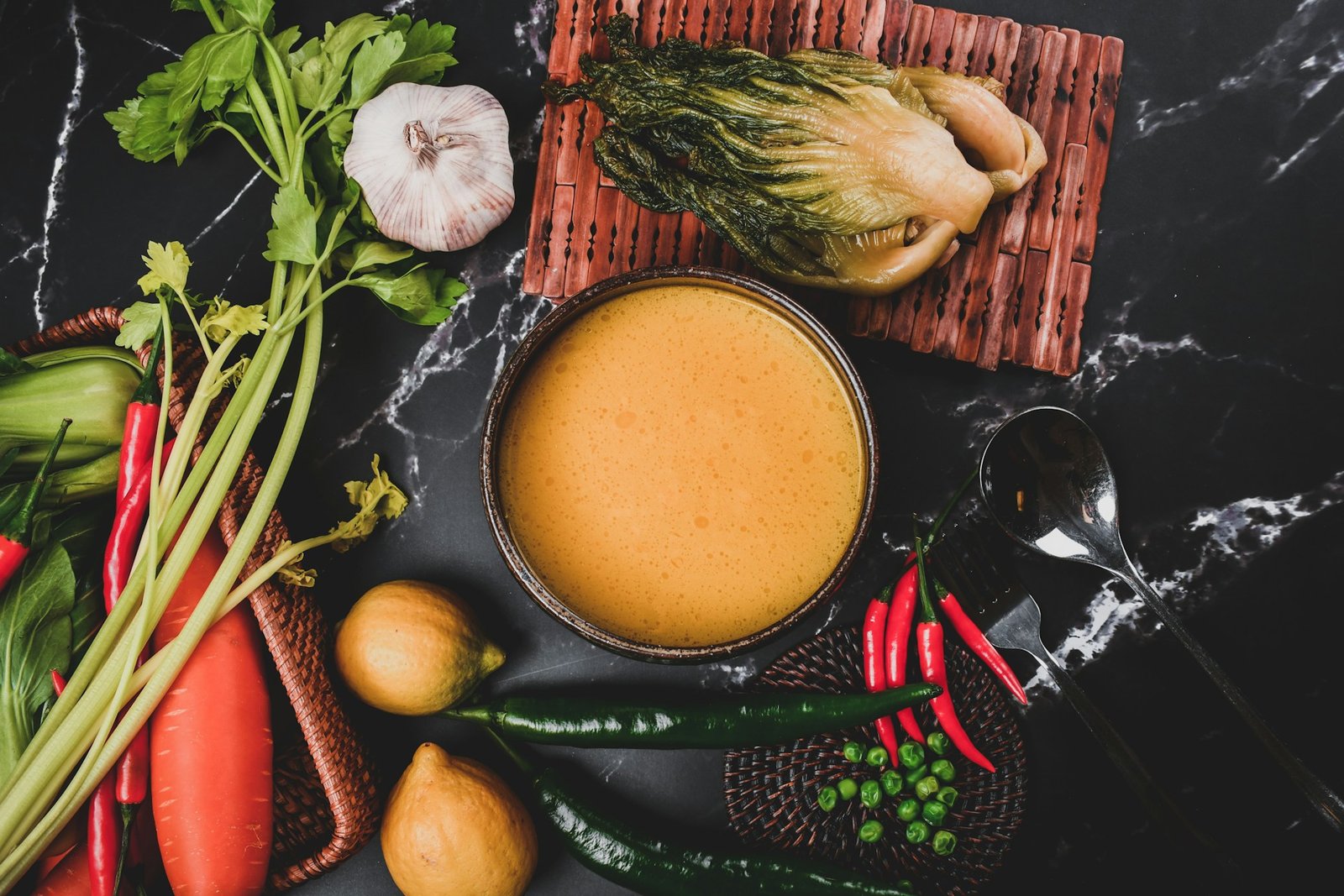
Trying to lose weight can feel frustrating when smaller meals leave you hungry soon after eating. Many traditional diets focus almost entirely on reducing calories, but they often overlook an important part of the experience: how much food you actually get to eat.
A small portion of a calorie-dense meal may provide the same number of calories as a much larger serving of vegetables, fruit, beans, or broth-based soup. Yet the two meals can feel very different in terms of fullness and satisfaction.
This is the principle behind Volumetrics, a dietary approach developed and popularized by nutrition researcher Dr. Barbara Rolls at Pennsylvania State University. Instead of focusing only on eating less, Volumetrics encourages people to choose foods with lower energy density so they can enjoy satisfying portions while managing their overall calorie intake.
The approach is based on a simple idea: foods containing more water and fiber often provide greater volume for fewer calories.
Understanding energy density, stomach fullness, and the role of protein and fiber can help make weight management more practical—and less dependent on constant hunger or willpower.
1. Why Some Meals Keep You Full Longer Than Others
Your stomach does not measure calories directly in the way a nutrition label does. Instead, your digestive system responds to several signals, including the volume of food, stomach stretching, nutrient composition, and the movement of food through the gastrointestinal tract.
When you eat, the stomach expands to accommodate the meal. Stretch-sensitive receptors in its walls detect this expansion and send signals through the vagus nerve to the brainstem. These signals contribute to the sensation of fullness.
However, physical volume is only one part of the process. Hormones and signals released throughout digestion also influence hunger and satisfaction.
The role of hunger and fullness hormones
Several hormones help regulate appetite:
- Ghrelin: Often called the hunger hormone, ghrelin generally rises before meals and falls after eating. Its levels are influenced by meal timing, energy balance, and other physiological factors.
- Cholecystokinin (CCK): Released in response to nutrients, particularly fats and proteins, in the small intestine. It contributes to digestive processes and satiety.
- GLP-1: A gut hormone involved in glucose regulation, insulin secretion, and appetite signaling. It can also slow stomach emptying.
- Peptide YY (PYY): Released after eating and involved in signaling fullness to the brain.
Protein, fiber, and the physical properties of a meal can influence these digestive signals in different ways.
For example, a meal containing vegetables, beans, and lean protein may provide substantial volume along with nutrients that support fullness. A small serving of highly refined, calorie-dense food may provide considerably less volume for a similar number of calories.
This is one reason meal composition matters when trying to manage hunger during weight loss.
2. What Is Energy Density, and Why Does It Matter?
Energy density refers to the number of calories a food provides relative to its weight. It is usually measured in kilocalories per gram (kcal/g).
[
\text{Energy Density} = \frac{\text{Calories}}{\text{Food Weight in Grams}}
]
Foods with high water content generally have lower energy density because water adds weight without adding calories. Many fruits, vegetables, and broth-based soups therefore provide relatively large portions for fewer calories.
By contrast, oils, butter, fried snacks, and many pastries contain substantial calories in relatively small amounts.
Four general categories of food energy density
| Category | Energy density | Examples |
|---|---|---|
| Very low | Less than 0.6 kcal/g | Most non-starchy vegetables, many fruits, broth-based soups |
| Low | 0.6–1.5 kcal/g | Cooked grains, legumes, lean poultry, white fish, some starchy vegetables |
| Medium | 1.5–4 kcal/g | Lean meats, fatty fish, avocado, hummus, cheese, bread |
| High | 4–9 kcal/g | Oils, butter, nuts, seeds, chocolate, chips, many pastries |
These are useful general ranges, not rigid nutritional rules. A food’s energy density can vary depending on its preparation, ingredients, and water content.
How water and fiber affect food volume
Water contributes weight and volume without adding calories. This is why a bowl of vegetable soup can be much larger than a small portion of an oil-rich or fried dish containing the same number of calories.
Fiber also plays an important role. Many high-fiber foods require more chewing and can contribute to fullness. Certain soluble fibers absorb water and form a gel-like consistency during digestion, which may influence gastric emptying and nutrient absorption.
Foods such as oats, lentils, beans, apples, pears, and vegetables can help increase fiber intake while adding volume to meals.
The goal is not to avoid calorie-dense foods entirely. It is to make lower-energy-density foods the foundation of meals while including appropriate portions of fats, proteins, and other nutrient-rich ingredients.
3. Why Vegetable Soup Can Be More Satisfying Than Water and Crackers
One interesting finding from research on food volume is that the way water is incorporated into a meal can influence fullness.
Eating water-rich foods, such as soup, fruit, and vegetables, may produce a different satiety response from drinking plain water alongside a dry meal.
Consider two meals with similar ingredients:
- Meal A: Chicken, rice, and vegetables served as a casserole, with a glass of water on the side.
- Meal B: The same ingredients cooked together as a broth-based chicken and vegetable soup.
Although the ingredients may be similar, the soup generally has a greater volume because the water is incorporated throughout the food.
Research conducted by Dr. Barbara Rolls and colleagues has examined how incorporating water into foods can affect fullness and subsequent calorie intake. Some studies have found that soup consumed before or as part of a meal can increase fullness and reduce the amount eaten later.
This does not mean soup automatically causes weight loss or that drinking water alongside food has no value. Rather, it highlights how food structure, texture, and volume can influence eating behavior.
Why whole fruits and vegetables can help
The same principle applies to many whole plant foods.
A whole orange, for example, contains water and fiber within its natural structure. It generally takes longer to eat than drinking an equivalent amount of fruit juice.
Similarly, a bowl of fresh vegetables usually provides more physical volume than a small serving of an oil-rich snack.
Choosing foods in their less processed, water-rich forms can therefore make it easier to enjoy satisfying portions without consuming excessive calories.
4. How to Build High-Volume Meals Without Feeling Deprived
You do not need to follow a complicated diet or eliminate your favorite foods to use the principles of Volumetrics.
A practical approach is to increase the proportion of water-rich vegetables, fruits, and fiber-containing foods in your meals while keeping protein and healthy fats in appropriate portions.
Here are some simple ways to do that.
Start lunch or dinner with vegetables or soup
A bowl of broth-based vegetable soup or a generous salad can add volume to a meal without contributing as many calories as many creamy or oil-heavy starters.
Choose vegetables such as spinach, carrots, tomatoes, zucchini, cabbage, broccoli, and mushrooms. Use dressings and cooking oils thoughtfully, since these can significantly increase the calorie content.
Make breakfast more filling
Oatmeal is a useful option because it provides soluble fiber, including beta-glucan.
Prepare oats with water or milk and add berries, sliced apples, or other fruit. You can also include Greek yogurt, nuts, or seeds for additional protein and healthy fats.
Adding grated zucchini to cooked oats is another way to increase the portion size without adding many calories.
Add vegetables to rice and pasta dishes
You do not have to give up rice or pasta to reduce the energy density of a meal.
Try combining your usual serving with vegetables such as:
- Cauliflower
- Zucchini
- Mushrooms
- Spinach
- Bell peppers
- Broccoli
This creates a larger meal with a broader range of nutrients while allowing you to enjoy familiar foods.
Use beans and vegetables in creamy recipes
Blended white beans, lentils, or cooked cauliflower can add texture to soups, sauces, and dips.
Plain Greek yogurt can also be used in some recipes as an alternative to heavier cream or mayonnaise-based ingredients.
These substitutions can help reduce the amount of added fat while maintaining a satisfying texture.
Include protein at every main meal
Protein is an important part of appetite management because it generally promotes fullness and helps preserve lean muscle during weight loss.
Useful options include:
- Eggs
- Fish
- Skinless chicken
- Greek yogurt
- Lentils
- Chickpeas
- Beans
- Tofu
Combining protein with fiber-rich foods can make meals more balanced and satisfying.
Measure calorie-dense ingredients rather than eliminating them
Olive oil, nuts, seeds, and avocados provide valuable nutrients, including unsaturated fats. However, they are also relatively high in calories.
You do not need to remove them from your diet. Instead, use reasonable portions and combine them with larger servings of vegetables, legumes, and other lower-energy-density foods.
For example, a measured amount of olive oil can add flavor to a large vegetable salad without requiring excessive quantities.
5. Does Eating More Food Volume Help With Weight Loss?
A lower-energy-density eating pattern can help some people manage their calorie intake without feeling as restricted as they might on a diet built around very small portions.
Research on Volumetrics suggests that choosing foods with more water and fiber can increase meal volume and support fullness. This may make it easier to maintain a moderate calorie deficit over time.
However, eating large portions does not automatically produce weight loss. Total energy intake, food quality, physical activity, sleep, medications, and individual health conditions all influence body weight.
It is also important to recognize that not everyone responds to the same foods in the same way. Some people may experience digestive discomfort when they suddenly increase fiber intake. Gradually adding fiber and drinking enough fluids can help improve tolerance.
A sustainable eating pattern should provide adequate protein, essential fats, vitamins, minerals, and enough food to support daily activities.
The Bottom Line: Eat More Volume, Not Just Fewer Calories
Weight management does not have to mean surviving on tiny portions or feeling hungry throughout the day.
The science of energy density offers a more practical approach: choose foods that provide more volume for fewer calories, include fiber-rich ingredients, and build meals around satisfying sources of protein.
Vegetables, fruits, legumes, whole grains, and broth-based soups can help make meals more filling while supporting overall nutrition.
You can still enjoy foods such as olive oil, nuts, avocado, and your favorite higher-calorie dishes. The key is to balance them with foods that provide greater volume and nutritional value.
The most sustainable weight-loss plan is not necessarily the one that makes you eat the least. It is the one that helps you eat well, feel satisfied, and maintain healthy habits over time.
Medical disclaimer: This article is for general educational purposes and is not a substitute for individualized medical or nutritional advice. People with digestive conditions, diabetes, kidney disease, or other health concerns should discuss significant dietary changes with a qualified healthcare professional.
References & Clinical Resources
- The American Journal of Clinical Nutrition (AJCN): Review peer-reviewed clinical feeding trials led by Dr. Barbara Rolls examining dietary energy density, water incorporation, and long-term weight management outcomes via the Oxford Academic AJCN Repository.
- Physiology & Behavior: Explore mechanistic studies detailing gastric mechanoreceptor signaling, vagal afferent pathways, and postprandial ghrelin suppression in the Elsevier ScienceDirect Archive.
- Obesity (The Obesity Society): Access clinical practice monographs evaluating low-energy-density dietary interventions compared to traditional calorie-restricted regimens on the Wiley Online Library.
- Centers for Disease Control and Prevention (CDC): Read public health guidance on practical energy density calculation, food volume swaps, and sustainable weight maintenance at the CDC Healthy Weight Portal.
[…] function, and healthy aging. The conversation around protein has traditionally focused on meat, poultry, fish, and dairy products. However, research continues to show that many plant foods provide […]