

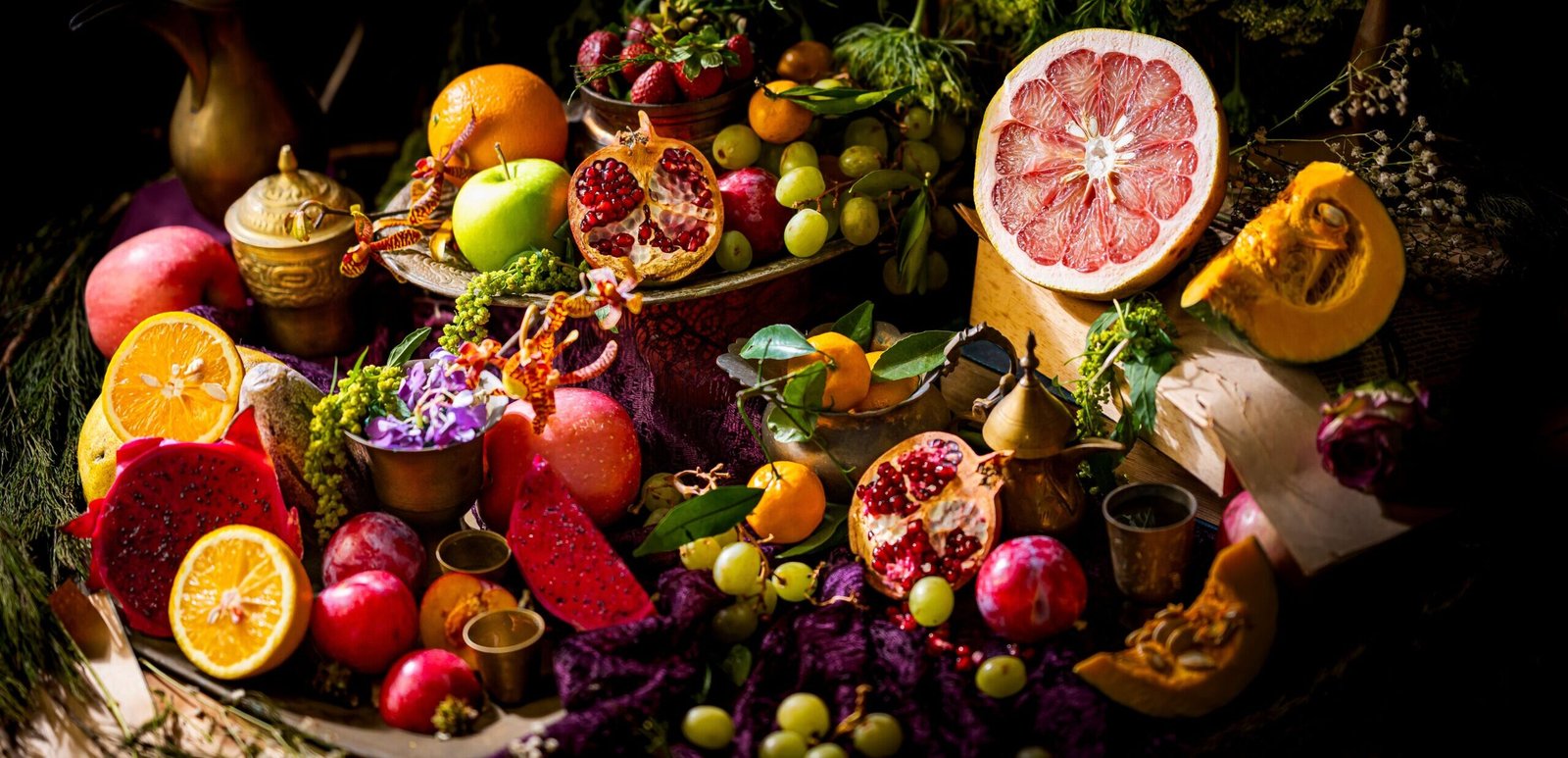
Fruit is often one of the first foods people question after being diagnosed with diabetes or prediabetes. Some are told to avoid sweet fruits completely, while others hear that natural fruit sugar is harmless. Neither statement tells the whole story.
Fruit contains natural carbohydrates, including sugars, which can raise blood glucose. But it also provides fibre, vitamins, minerals and plant compounds that support overall health. The important thing is understanding how different forms of fruit fit into a balanced eating pattern.
According to the American Diabetes Association, people with diabetes can enjoy fresh, frozen and unsweetened fruit as part of their meal plan. Rather than eliminating fruit, it is more useful to consider its form, serving size and total carbohydrate content.
Why Whole Fruit Is Usually a Better Choice Than Juice
One of the biggest differences is how fruit is prepared.
When you eat a whole apple, orange or pear, you consume its natural fibre along with its sugars. Fibre slows digestion and can help moderate how quickly glucose enters the bloodstream.
Juicing changes that experience. A glass of juice may contain the sugar of several pieces of fruit, but it is usually less filling and contains much less fibre than eating those fruits whole.
For this reason, drinking fruit juice can raise blood glucose more quickly than eating the equivalent fruit whole. Even juice labelled as 100% natural or freshly squeezed can have this effect.
Blending fruit into a smoothie does not automatically remove its fibre, but it can make large portions easier to consume quickly. Added honey, sweetened yoghurt and syrups can increase the carbohydrate content further.
Five Fruits That Can Fit Into a Blood-Sugar-Friendly Diet
No fruit is universally best for everyone with diabetes. The following choices provide useful nutrients and can fit into a balanced diet when enjoyed in suitable portions.
1. Apples
Apples provide fibre, particularly when eaten with their skin. Their fibre helps slow digestion, while they also supply vitamin C and beneficial plant compounds.
A whole apple is generally a more satisfying choice than apple juice. Pairing it with a source of protein, such as plain yoghurt or a few nuts, can make it part of a more balanced snack.
2. Blueberries
Blueberries contain fibre and anthocyanins, the natural pigments responsible for their deep blue colour. These plant compounds are being studied for their possible role in metabolic and cardiovascular health.
Some clinical research involving blueberries and cranberries has reported improvements in certain blood-sugar measurements. However, the evidence does not mean blueberries can treat diabetes or reliably lower A1C for everyone.
Fresh or frozen unsweetened blueberries are both convenient options.
3. Grapefruit
Grapefruit provides vitamin C, water and plant compounds called flavonoids. It can be included in some balanced eating patterns, but it deserves special attention because of medication interactions.
Grapefruit can affect how the body processes certain medicines, including some cholesterol-lowering drugs and blood-pressure treatments. The interaction depends on the specific medicine. Ask a pharmacist or healthcare professional before eating grapefruit regularly if you take prescription medication.
4. Pears
Pears are a source of fibre, particularly when eaten with the skin. Their natural sweetness can make them a satisfying alternative to highly sweetened snacks.
Choose a whole pear rather than pear juice or fruit packed in syrup. Its fibre and water content help make it a filling option.
5. Bananas
Bananas provide potassium, vitamin B6 and carbohydrates. Their ripeness changes their starch and sugar composition, but that does not make ripe bananas unsuitable for everyone with diabetes.
A smaller banana or an appropriate portion can fit into a balanced meal. It is more helpful to consider the amount eaten and the overall meal than to judge bananas by skin colour alone.
What About Watermelon, Mango and Pineapple?
These fruits are often labelled as unsuitable for people with diabetes because they taste sweet. That is an oversimplification.
Watermelon contains plenty of water, while mango provides vitamin C and other nutrients. Pineapple also supplies vitamin C and naturally occurring plant compounds.
All three contain carbohydrates, so serving size matters. Eating a reasonable portion of whole fruit as part of a balanced meal is different from drinking a large glass of sweetened fruit juice.
There is no need to treat these fruits as forbidden foods. Individual glucose responses can vary, and a registered dietitian can help determine suitable portions.
Three Simple Habits That Can Help
Choose whole fruit more often. Fresh fruit, frozen fruit without added sugar and canned fruit in water or its own juice are useful choices. Limit sweetened fruit drinks and large servings of juice.
Combine foods thoughtfully. Eating fruit alongside foods containing protein, healthy fats or fibre may slow digestion and help moderate the rise in blood glucose. Plain yoghurt, nuts and seeds are practical examples.
Pay attention to portions. Fruit contains carbohydrates even when it has no added sugar. If you count carbohydrates, include fruit in your meal plan. Your healthcare professional can help you understand suitable portions for your needs.
The Bottom Line: Don’t Be Afraid of Fruit
Managing blood sugar is not about removing every naturally sweet food from your diet. It is about making informed choices and building eating habits that are realistic and nutritious.
Whole apples, berries, pears, bananas and other fruits can all have a place in a balanced diet. Choosing whole fruit more often than juice, being mindful of portions and checking medication interactions are practical steps worth remembering.
If you have diabetes or prediabetes, work with your healthcare professional or registered dietitian to develop an eating plan that suits your health needs. Fruit can be part of that plan—not something you automatically need to avoid.
Photo by Daniel Lee: https://www.pexels.com/photo/vibrant-still-life-of-exotic-fruits-and-vegetables-37304356/