

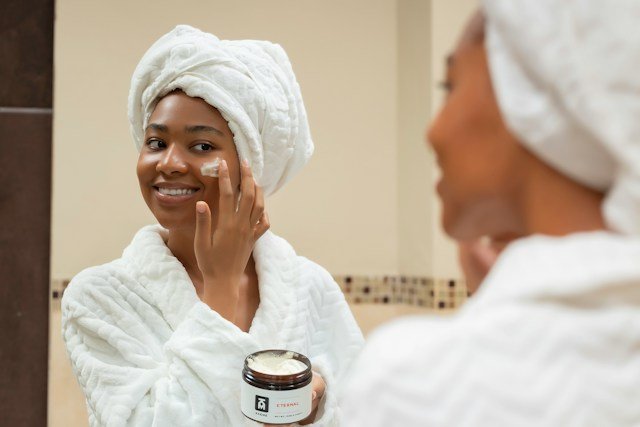
Could the health of your gut influence what happens on your skin?
Eczema, acne and rosacea are often treated as skin-deep problems, but research is revealing a more complex picture. Scientists are investigating how gut bacteria, immune function and stress may interact with the skin—and what these connections could mean for long-term skin health.
The Gut-Brain-Skin Connection: Why It Matters
A persistent rash, recurring acne or an eczema flare can be frustrating, especially when a skincare routine seems to make little difference. It is natural to wonder whether something happening inside the body could be contributing to what appears on the surface.
Researchers are increasingly exploring that possibility through the gut-brain-skin axis—a network of interactions involving the digestive system, the nervous system, immune responses and the skin’s own microbial community.
The idea is not that every skin problem begins in the gut. Rather, these systems communicate in ways that may influence inflammation, the skin barrier and the body’s response to stress. Recent reviews continue to examine these relationships, particularly in inflammatory conditions such as atopic dermatitis, commonly known as eczema. <Cite refs={[“turn401128search11″,”turn401128search9”]}/>
For people living with persistent skin problems, this research offers an interesting new perspective. It also calls for caution: scientists are still working out which connections meaningfully affect symptoms and which treatments can reliably improve them.
Your Microbiome Does More Than You Think
Your body hosts communities of microorganisms, including bacteria and fungi. Together, these communities are known as the microbiome, and they play important roles in health.
The gut microbiome helps break down components of food, produces substances that interact with the immune system and contributes to the body’s normal functioning. The skin has its own microbiome, which helps maintain the skin’s local environment and defend against harmful microbes.
When these communities or their surroundings change, the effects can be complicated. In eczema, for example, research has found that the skin barrier may be weakened and the balance of skin microbes altered. Certain bacteria, including Staphylococcus aureus, can become more abundant and contribute to inflammation.
However, scientists are still investigating cause and effect. Microbial changes may contribute to a flare, result from an already damaged skin barrier, or do both. <Cite refs={[“turn401128search9″,”turn401128search13”]}/>
That distinction matters because it prevents an appealing scientific theory from being mistaken for a complete explanation of a person’s skin condition.
How Stress Can Show Up on Your Skin
The brain is another important part of this picture.
Stress can influence immune activity, sleep and behaviours that affect skin health. Some people notice that eczema itching worsens during stressful periods, while others experience changes in their acne or rosacea symptoms.
Stress is not necessarily the original cause of a skin condition, and its effects vary from person to person. Still, the relationship can become a frustrating cycle: discomfort disrupts sleep, poor sleep makes daily stress harder to manage, and stress may aggravate symptoms.
Small, sustainable habits can help support overall well-being. Regular sleep routines, enjoyable physical activity and simple relaxation practices may help people manage stress. They are supportive measures, however, not guaranteed treatments for skin disease.
If skin symptoms are affecting sleep, mood or everyday activities, it is worth discussing them with a healthcare professional rather than assuming stress is the only explanation.
Can Changing Your Diet Improve Your Skin?
This is one of the most actively discussed areas of gut-skin research. Scientists are examining how dietary patterns and gut microbes may influence immune signalling and inflammation.
A varied diet containing vegetables, fruit, whole grains, beans, nuts and other nourishing foods can support general health and provide fibre that gut microbes use. Fermented foods may also fit into a balanced diet, depending on individual preferences and tolerance.
But there is no single “skin-healing” diet proven to clear eczema, acne and rosacea in everyone.
A 2025 review of research into probiotics and atopic dermatitis found some encouraging results, particularly in certain studies involving children. Yet findings varied across probiotic strains and trials, and evidence in adolescents and adults remained inconsistent. The authors concluded that more research is needed before firm treatment recommendations can be made. <Cite refs={[“turn401128search6″,”turn401128search14”]}/>
That is why expensive supplements, restrictive diets and products marketed as microbiome resets deserve scepticism. Taking probiotics or amino-acid supplements is not automatically beneficial, and supplements can have risks or interact with medicines.
Unless a clinician identifies a specific dietary need or allergy, removing entire food groups simply because of a skin flare may create unnecessary nutritional challenges.
Why Conventional Skin Treatments Still Matter
Interest in the microbiome does not mean creams and prescribed treatments are outdated.
For eczema, established treatments—including moisturisers and appropriate prescription medicines—can reduce inflammation, relieve itching and help protect the skin barrier. The American Academy of Dermatology’s guidance continues to support evidence-based topical therapies, with treatment selected according to a person’s symptoms and needs. <Cite refs={[“turn401128search0″,”turn401128search1”]}/>
Acne and rosacea also have their own triggers and treatment options. A clinician can help determine whether a rash reflects a common skin condition, an allergic reaction, an infection or another medical issue.
The gut-skin connection may eventually lead to additional treatment approaches, but it is not a reason to stop prescribed medicines or replace proven care with an untested “natural” remedy.
A Practical Approach to Healthier Skin
You do not need a complicated wellness routine to support your skin. Start with the basics:
- Keep skincare gentle. Use suitable moisturisers and avoid products that repeatedly irritate your skin.
- Eat for overall health. Aim for a varied, balanced diet rather than searching for one miracle ingredient.
- Protect your sleep. A consistent sleep schedule can support general health and help you cope with stress.
- Notice patterns without jumping to conclusions. If symptoms seem to follow a particular food, product or stressful period, record what happens and discuss persistent patterns with a clinician.
- Seek professional advice when needed. Persistent, worsening or unexplained skin symptoms deserve appropriate assessment.
The Future of Skin Health Is More Connected
The emerging science of the gut-brain-skin axis is changing how researchers think about the body’s interconnected systems. It suggests that skin health cannot always be understood by looking at the skin alone.
Yet the most useful message is a balanced one: the microbiome is an important research area, not a magic explanation for every rash or breakout. Supporting general health while using appropriate dermatological care remains the most dependable approach.
As research advances, scientists may identify more precise ways to use microbial information to guide treatment. For now, healthy habits, realistic expectations and evidence-based care offer a sensible foundation for looking after your skin.