

Your Skin May Be Telling You More About Your Health Than You Realize
Persistent skin changes can sometimes offer clues about what is happening deeper inside the body.
Skin is more than something we protect with creams and moisturizers. Certain persistent changes can be associated with inflammation, metabolic problems, autoimmune conditions and the effects of aging. Here’s why paying attention to your skin can be an important part of looking after your overall health.
When people talk about skin health, the conversation often revolves around wrinkles, dryness, acne or finding the right moisturizer. But your skin is much more than a surface to care for.
It is the body’s largest organ and one of the places where changes in health can sometimes become visible. A rash, unusual pigmentation, persistent itching or a wound that refuses to heal does not automatically mean something is wrong internally. Still, certain skin findings can occur alongside broader health conditions, which is one reason dermatologists look at more than appearance.
Think of your skin less as a crystal ball and more as another piece of the health puzzle.
When Skin and Metabolic Health Meet
Psoriasis is a good example of how a skin condition can extend beyond the skin itself.
Psoriasis is an inflammatory condition that can cause areas of thickened, scaly or irritated skin. Research has found associations between psoriasis and several metabolic and cardiovascular conditions, including obesity, high blood pressure, abnormal cholesterol levels and cardiovascular disease.
That does not mean psoriasis causes heart disease in every person who has it. Rather, chronic inflammation and shared risk factors may connect some of these conditions.
For someone living with persistent psoriasis, regular healthcare is therefore about more than managing uncomfortable patches. It can also be an opportunity to pay attention to broader cardiovascular and metabolic health.
Diabetes Can Leave Clues on the Skin
Changes in the skin can also occur in people with diabetes.
High blood glucose over time can affect blood vessels, nerves and the body’s ability to fight infection and repair damaged tissue. Some people with diabetes develop particularly dry or itchy skin, while others may experience slow-healing wounds or changes in the appearance of the lower legs.
There are also recognizable skin conditions associated with diabetes and insulin resistance, including certain darker, thicker patches of skin that commonly appear in body folds.
Again, a skin change should not be treated as a diagnosis on its own. But persistent or unexplained changes deserve attention, particularly when they occur alongside other symptoms or known risk factors for diabetes.
Autoimmune Diseases Can Appear on the Skin
The relationship between the skin and the immune system is another important piece of the puzzle.
Some autoimmune and inflammatory conditions can produce visible skin symptoms. Certain forms of dermatitis, rashes and other changes may occur alongside diseases affecting the digestive system or other organs.
For example, some people with celiac disease develop a distinctive intensely itchy rash called dermatitis herpetiformis. Other systemic inflammatory diseases can also produce skin findings.
The important lesson is not to diagnose yourself from a photograph or a list of symptoms online. Skin conditions can look remarkably similar even when their causes are completely different.
That is where a medical evaluation can make a difference.
Aging Changes the Skin Too
As we grow older, our skin naturally changes.
It generally becomes thinner and less elastic, while the production of collagen and other structural components changes over time. Hormonal changes can also influence skin thickness, moisture and elasticity.
Menopause is one example. Declining estrogen levels are associated with changes in collagen and skin structure, which can contribute to dryness, thinning and changes in elasticity.
These changes are a normal part of aging, not evidence that something is necessarily wrong.
But they also explain why a skincare routine that worked well at 30 may not feel as effective decades later. Older skin often benefits from a gentler approach that emphasizes moisture, protection from ultraviolet radiation and avoiding unnecessary irritation.
What About Skin Aging and Brain Health?
Scientists are also interested in whether visible aging of the skin might reflect biological processes occurring elsewhere in the body.
One area of research involves cellular senescence. Senescent cells are cells that have stopped dividing normally but remain metabolically active. They can release inflammatory signals, and scientists are investigating how their accumulation may contribute to age-related disease.
This research is fascinating, but it is still important to separate scientific investigation from clinical conclusions.
Looking older than your chronological age does not mean you are destined to develop dementia or another disease. Skin appearance is influenced by genetics, sun exposure, smoking, nutrition, hormones and many other factors.
Your Everyday Habits Still Matter
Healthy skin does not require an expensive collection of products.
Some of the same habits that support overall health can also support the skin: eating a varied diet, staying physically active, getting adequate sleep, avoiding tobacco and protecting your skin from excessive ultraviolet exposure.
Hydration and gentle skincare can also help maintain the skin barrier, particularly as skin becomes drier with age.
Rather than chasing a perfect complexion, it may be more useful to think about skin health as part of long-term health.
When Should You Get a Skin Change Checked?
Not every blemish or dry patch needs medical attention. But a persistent, rapidly changing, painful, bleeding or unexplained skin change is worth discussing with a healthcare professional.
The same applies to wounds that do not seem to heal normally or symptoms that repeatedly return without an obvious explanation.
Your skin cannot tell you exactly what is happening inside your body. But sometimes, it can provide an early clue that deserves a closer look.
The goal is not to become frightened by every change in appearance. It is simply to become more observant.
Because healthy skin is not just about looking good. It is also about understanding what your body may be trying to communicate.
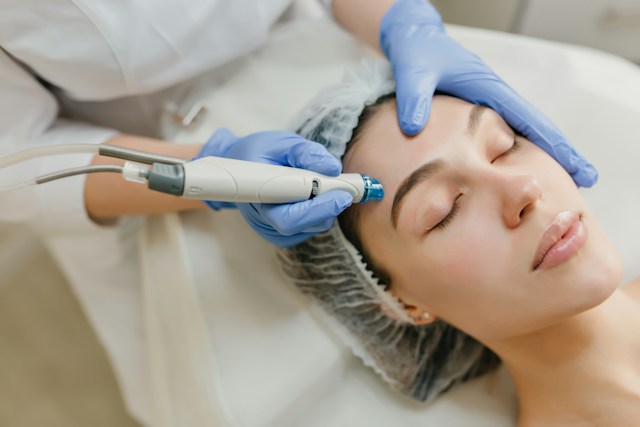
Photo by Look Studio on Unsplash
[…] not mean eczema is caused by an unhealthy gut. Rather, it reflects a growing understanding that the skin and digestive system are connected through immune, metabolic and inflammatory […]