

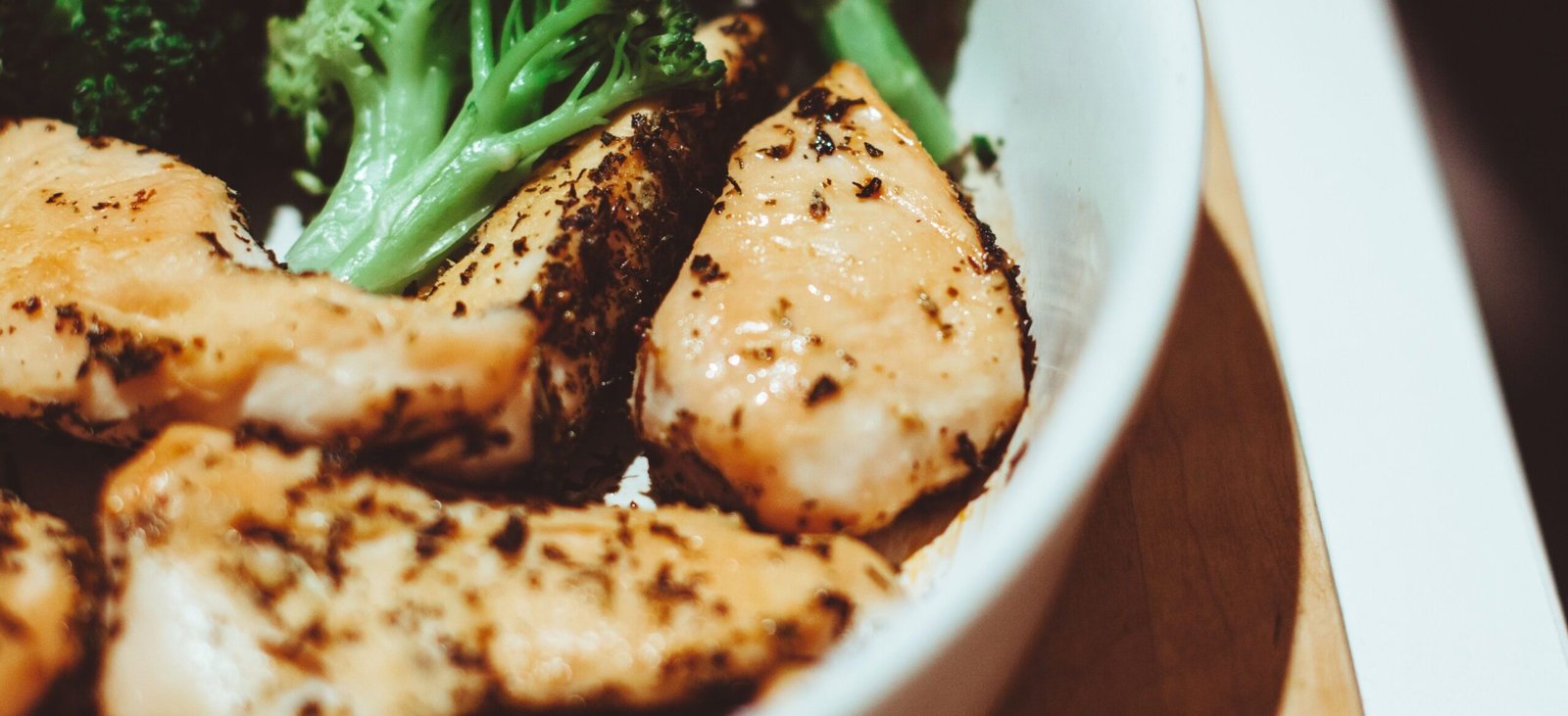
Protein has become one of the biggest trends in modern nutrition.
Walk through a supermarket today and you will find protein added to coffee, cereal, snack bars, desserts and almost everything in between. On social media, fitness influencers often promote extremely high daily protein targets as the secret to building muscle, losing fat and staying healthy.
Protein is essential. There is no question about that.
Our bodies need it to maintain muscles, produce enzymes and hormones, repair tissues and support immune function. But an increasingly important question is emerging in nutrition research: does everyone benefit from eating as much protein as possible?
Scientists studying metabolism and aging suggest the answer may be more complicated.
Research in animals has repeatedly shown that reducing certain amino acids or lowering overall protein intake can influence biological pathways connected with metabolism and lifespan. Human research is still developing, but it raises an important point: the ideal amount of protein may depend heavily on a person’s age, activity level and overall health.
For a competitive athlete, high protein intake may be completely appropriate. For a sedentary person following social-media protein targets, more may not necessarily mean better.
Protein and the body’s growth signals
One reason scientists are interested in protein and aging is a cellular pathway called mTOR, short for mechanistic target of rapamycin.
mTOR helps cells respond to nutrients and growth signals. After eating protein, particularly foods rich in certain amino acids, this pathway helps stimulate protein synthesis and supports tissue growth.
That is useful.
After strength training, for example, the body needs amino acids to repair and build muscle tissue. Protein intake can support this process.
But cells also need periods of maintenance.
When nutrient availability is lower, other pathways involved in energy regulation and cellular maintenance may become more active. Researchers are studying how the balance between growth and repair affects long-term health.
The key word is balance.
It would be inaccurate to say that eating a high-protein meal “switches off” cellular repair or automatically accelerates aging. Human biology is far more complex than that. However, chronic overnutrition and persistent metabolic stress may affect several pathways involved in long-term health.
What animal studies have found
Much of the strongest evidence linking lower protein intake with longer lifespan comes from laboratory research.
Studies involving animals have found that restricting total protein—or reducing specific amino acids—can improve metabolic markers and, in some cases, extend lifespan.
Scientists are particularly interested in amino acids such as methionine and the branched-chain amino acids, including isoleucine and valine.
These nutrients play important roles in normal health, but researchers are investigating whether excessive amounts may contribute to metabolic problems under certain conditions.
Animal studies suggest that reducing specific amino acids can influence insulin sensitivity, energy metabolism and hormones such as FGF21.
However, this is where readers should be cautious.
A longer lifespan in laboratory animals does not prove that protein restriction will make humans live longer.
Human beings have different lifestyles, environments and nutritional needs. Long-term human studies are still needed before anyone can claim that eating less protein is a proven anti-aging strategy.
The problem with one protein target for everyone
One of the biggest issues with today’s nutrition advice is the idea that everyone should follow the same protein formula.
A young endurance athlete, a sedentary office worker and an older adult at risk of muscle loss have very different needs.
Sedentary adults
People with relatively low physical activity may not need extremely high protein targets promoted in fitness culture. Meeting basic nutritional requirements through a balanced diet is often sufficient for maintaining normal body functions.
Athletes and active people
People who regularly perform intense resistance or endurance training may benefit from higher protein intake to support recovery and muscle adaptation.
Older adults
Protein becomes particularly important with aging.
As people grow older, they can gradually lose muscle mass and strength. This age-related loss can increase the risk of frailty, falls and reduced independence. Older adults may therefore benefit from adequate—and sometimes higher—protein intake combined with resistance exercise.
This is why aggressive protein restriction can be risky for some people.
There is no single “longevity protein number” that works for everyone.
Protein quality matters too
The conversation should not focus only on how much protein you eat. Where your protein comes from also matters.
A diet based entirely on protein powders and processed meats looks very different from one that includes a variety of whole foods.
Plant protein sources can provide protein alongside fiber, vitamins, minerals and beneficial plant compounds. Good options include:
- Lentils
- Chickpeas
- Beans
- Soy foods
- Peas
- Nuts and seeds
- Whole grains
Animal foods can also be valuable sources of protein and nutrients, including eggs, fish, dairy and lean meats.
For many people, a diverse combination of plant and animal proteins may be a practical and sustainable approach.
Rather than eliminating an entire food group, it may be more useful to avoid depending too heavily on a single source.
Could constant high protein intake affect metabolism?
Researchers are continuing to investigate whether consistently consuming more protein than the body needs affects insulin sensitivity and long-term metabolism.
Some studies have linked higher levels of certain amino acids with metabolic conditions, but these relationships are complicated by body weight, total calorie intake, exercise and overall dietary quality.
In other words, protein is rarely acting alone.
Someone eating a high-protein diet based on vegetables, legumes, fish and regular exercise may have a completely different health profile from someone consuming excessive calories from processed meats while remaining physically inactive.
That is why nutrition research increasingly focuses on dietary patterns rather than individual nutrients alone.
Finding a practical protein balance
You do not need to fear protein powder, steak or eggs.
But you probably do not need to chase extreme protein targets simply because they are popular online.
A practical approach includes:
Match protein to your activity
The more physically demanding your lifestyle and training routine, the more protein your body may require for recovery and adaptation.
Include more variety
Rotate between legumes, dairy, eggs, fish, lean meats, nuts and seeds.
Focus on whole foods
Whole-food protein sources often provide additional nutrients that highly processed products may lack.
Don’t forget resistance training
Maintaining muscle is about more than eating protein. Regular strength training gives muscles a reason to use the nutrients you consume.
Avoid nutritional extremes
Both chronic undernutrition and unnecessary overconsumption can create health problems.
The Bottom Line
Protein is essential for health, strength and healthy aging—but the modern message that more protein is always better is too simplistic.
Emerging research into aging and metabolism suggests that the relationship between protein, growth signals and long-term health deserves more attention. Animal studies are fascinating, but they are not yet proof that reducing protein will extend human lifespan.
The most sensible approach is personalization.
Eat enough protein for your age and activity level. Protect muscle with regular exercise. Include plenty of plant foods. Avoid relying on extreme nutrition trends.
Healthy aging is unlikely to come from maximizing a single nutrient.
It is more likely to come from a sustainable pattern of good nutrition, physical activity, quality sleep and a lifestyle that gives your body both the resources to grow—and the time to repair.
Photo by Pixabay: https://www.pexels.com/photo/broccoli-in-bowl-262973/