

Cancer treatment has advanced significantly over the past decade, improving survival rates and expanding options for patients facing a wide range of diagnoses. Yet despite these medical breakthroughs, one challenge remains largely unchanged: managing the side effects of treatment itself.
For many patients receiving radiation therapy for cancers affecting the abdomen, pelvis, or digestive system, damage to healthy intestinal tissue can become a major obstacle during treatment. Symptoms such as nausea, diarrhea, abdominal pain, inflammation, and increased susceptibility to infection often affect quality of life and, in some cases, can limit the intensity of treatment doctors are able to administer.
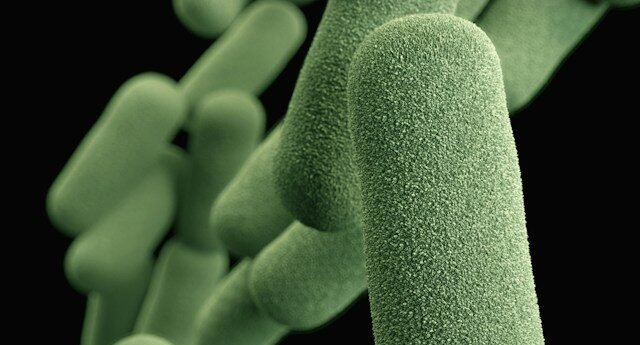
Now, new research is shedding light on a surprising ally in the effort to protect healthy tissue during cancer care: a naturally occurring gut bacterium known as Akkermansia muciniphila.
Scientists at The University of Texas MD Anderson Cancer Center recently reported findings that suggest this beneficial microbe may play a key role in helping the intestine repair itself following radiation exposure. The discovery adds to growing evidence that the gut microbiome has a profound influence on overall health and may eventually influence how future cancer therapies are delivered.
Why Radiation Therapy Can Harm Healthy Tissue
Radiation therapy works by damaging the DNA of cancer cells, preventing them from growing and multiplying. However, the treatment is not always able to distinguish perfectly between cancerous and healthy cells.
The lining of the intestine is particularly vulnerable because it continuously renews itself through rapidly dividing cells. When radiation affects these cells, the protective barrier inside the digestive tract can become weakened, leading to inflammation and gastrointestinal symptoms.
For patients already coping with cancer, these side effects can be both physically and emotionally exhausting.
As a result, researchers have long searched for ways to protect healthy tissue without reducing the effectiveness of radiation against tumors.
The Surprising Role of Fasting
Previous studies have suggested that short periods of fasting before treatment may help healthy tissues better tolerate biological stress. However, scientists have not fully understood why this occurs.
The new research points toward an important link between fasting and changes within the gut microbiome.
Investigators found that a 24-hour fasting period appeared to increase levels of Akkermansia muciniphila, a bacterium already known for its association with gut health, metabolic regulation, and immune function.
As levels of the bacterium increased, researchers observed signs that intestinal cells became better prepared to respond to damage.
Rather than being a passive change, the microbial shift appeared to trigger a biological chain reaction that enhanced the body’s ability to repair intestinal tissue following radiation exposure.
A Tiny Organism With a Big Impact
The human digestive system contains trillions of microorganisms that collectively form the gut microbiome. Scientists increasingly view this ecosystem as an essential component of human health rather than merely a collection of harmless bacteria.
Akkermansia muciniphila has attracted growing attention in recent years because of its connection to metabolic health and the maintenance of the intestinal lining.
In the latest study, researchers discovered that the bacterium produces higher amounts of a compound called propionate during fasting conditions.
Propionate belongs to a family of substances known as short-chain fatty acids, which are generated when gut bacteria process nutrients. These compounds are known to influence immune responses, metabolism, and cellular communication.
According to the researchers, propionate appears to help alter how DNA is packaged inside intestinal cells.
This process may sound highly technical, but its effects are significant. By making certain repair-related genes more accessible, cells can activate protective mechanisms more rapidly when damage occurs.
In essence, the intestinal tissue becomes biologically prepared for recovery before radiation treatment takes place.
Evidence From Laboratory Studies
To determine whether the bacterium was truly responsible for the protective effects, scientists conducted further experiments using preclinical models.
When Akkermansia muciniphila was removed from the gut environment, fasting no longer provided the same protective benefit. However, when the bacterium was restored, the positive effects returned.
These findings suggest that the microbe plays an active role rather than simply being a byproduct of fasting.
Researchers describe the relationship as a powerful example of cooperation between human biology and the microbiome, where microbial activity directly influences how tissues respond to stress and injury.
What This Could Mean for Cancer Patients
Although the findings are encouraging, experts caution that the research remains in the preclinical stage.
Much more work is needed before doctors can apply these discoveries routinely in cancer treatment settings. Human clinical trials will be necessary to determine whether the same biological processes occur in patients undergoing radiation therapy.
Researchers also stress that fasting is not appropriate for every cancer patient. Many individuals receiving treatment already face nutritional challenges, unintended weight loss, and reduced energy levels. Any fasting protocol would need to be carefully supervised by healthcare professionals.
For this reason, scientists are exploring alternative approaches that may not require fasting at all.
One possibility is developing probiotic therapies containing Akkermansia muciniphila. Another is creating treatments based on propionate or related compounds that mimic the microbe’s beneficial effects.
If successful, such therapies could potentially help reduce treatment-related side effects while allowing patients to continue receiving effective cancer care.
A Growing Focus on the Microbiome
The study reflects a broader trend in modern medicine: growing recognition of the microbiome’s influence on health and disease.
Researchers are increasingly exploring how gut bacteria affect immunity, inflammation, metabolism, mental health, and responses to medical treatments. In oncology, the microbiome is emerging as one of the most promising areas of investigation.
While many questions remain unanswered, discoveries such as this highlight how small changes within the gut can potentially produce significant effects throughout the body.
For patients and healthcare providers alike, the research offers hope that future cancer treatments may become not only more effective but also easier to tolerate. By harnessing the protective power of beneficial microbes, scientists may be moving closer to therapies that safeguard healthy tissues while continuing to target cancer cells with precision.
As studies continue, Akkermansia muciniphila could become an important focus in the next generation of supportive cancer care, illustrating once again that some of the body’s most powerful health allies may be microscopic.