

Peanuts are among the most common snacks in American kitchens, eaten roasted, boiled or spread on toast. For people with healthy kidneys, nutrition researchers generally consider them a reasonable food in moderate amounts. For people with chronic kidney disease (CKD), the answer is less simple, and it depends on the stage of the disease, lab results and medications.
What happens after you eat them
Digestion starts in the mouth, where chewing breaks open the cells that hold a peanut’s fat, protein and minerals. Stomach acid and enzymes begin breaking down protein. In the small intestine, bile and enzymes split fats and proteins into smaller pieces, and minerals including phosphorus, potassium and magnesium become available for absorption.
The kidneys then filter the blood through millions of tiny units called nephrons. They remove waste and excess minerals and return what the body needs. When the kidneys are healthy, this system handles ordinary dietary minerals without trouble. When kidney function is reduced, extra phosphorus and potassium can build up in the blood, which is why doctors monitor them closely in CKD.
Why the type of phosphorus matters
Much of the phosphorus in peanuts is stored in a compound called phytate. Humans make little of the enzyme needed to break phytate down, so a share of that phosphorus passes through the gut without being absorbed. Researchers describe plant phosphorus as less bioavailable than the phosphorus in animal foods.
How much less is still debated. A 2013 review in Seminars in Nephrology put absorption of plant phosphorus below 40%. A 2021 perspective in Advances in Nutrition reviewed human studies and concluded that phytate phosphorus is absorbed at a rate of at least 50%, higher than the 10% to 30% often cited. The authors pointed to food processing and gut bacteria, which can release some of the phosphorus. So the safest summary is that peanut phosphorus is absorbed less than other forms, but not negligibly.
The contrast with additives is clearer. Inorganic phosphate additives, used in some colas, processed cheeses and processed meats, are not bound to anything, and studies estimate that 90% to 100% of it is absorbed. For that reason, kidney dietitians often tell patients to read ingredient labels and watch for words containing “phos.”
Sodium and the jar
Plain peanuts contain very little sodium. Salted versions can contain a lot. High sodium intake contributes to fluid retention and higher blood pressure, and high blood pressure is a leading cause of kidney damage over time. That makes the choice between unsalted and salted peanuts more relevant than the peanut itself.
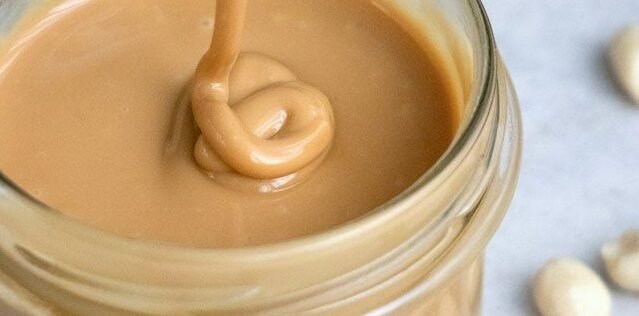
Peanut butter adds another variable. Many commercial brands include sugar, salt and added oils, and a casual spoonful is often larger than the labeled serving. Products with a short ingredient list, ideally peanuts and perhaps a little salt, make it easier to know what you are eating.
Who should be cautious
For adults with healthy kidneys, a small handful of unsalted or lightly salted peanuts is generally considered a reasonable snack. People with advanced CKD, people on dialysis, and those taking medicines that affect potassium face different rules. Their limits on phosphorus, potassium and sodium are set by their nephrologist or renal dietitian, based on blood tests, and those limits can change over time.
Researchers are also studying whether nuts deserve their blanket reputation as a food to avoid in CKD. A 2017 review in Nefrología noted that restricting phytate-rich foods might deprive patients of fiber and compounds that may help protect against vascular calcification, but it called for more prospective studies. A registered clinical trial is currently testing pistachio intake in CKD patients. Those studies are still early, and none of them suggests that patients should change their diet without medical guidance.
Peanuts are neither a danger nor a cure for kidneys. What matters most is the form (unsalted versus heavily salted), the portion, the rest of the diet, and, for people with kidney disease, the guidance of their care team. Anyone with a kidney condition should ask their doctor or a renal dietitian before adding peanuts or peanut butter to their routine.
This article is for general information and is not medical advice.