

As chronic diseases continue to rise worldwide, nutrition remains one of the most discussed topics in public health. From obesity and type 2 diabetes to cardiovascular disease and chronic inflammation, health professionals increasingly point to dietary habits as a major factor influencing long-term wellness.
A recent discussion by Dr. Eric Berg emphasized the importance of choosing nutrient-dense foods while limiting ultra-processed products that have become common in modern diets. The conversation reflects a broader health trend in which experts are encouraging people to return to simpler, minimally processed foods that provide essential nutrients and support overall health.
The Growing Concern Around Ultra-Processed Foods
One of the most significant health issues today is the growing consumption of ultra-processed foods. According to the video, many packaged products contain refined ingredients, additives, and artificial substances that differ significantly from foods in their natural state. Dr. Eric Berg argues that these products often contribute little nutritional value while becoming a major source of calories in many diets.
Public health researchers have increasingly studied the relationship between highly processed foods and conditions such as obesity, metabolic disorders, and poor cardiovascular health. While convenience has made packaged food popular, health experts continue to urge consumers to pay closer attention to ingredient quality rather than focusing solely on calorie counts.
The discussion highlights an important question many consumers are beginning to ask: What should food actually provide beyond energy?
Nutrient Density Takes Center Stage
Health professionals often describe the healthiest foods as those that deliver a high concentration of vitamins, minerals, antioxidants, healthy fats, and other beneficial compounds relative to their calorie content.
Nutrient density should be a primary consideration when selecting foods. Rather than simply avoiding unhealthy ingredients, many experts recommend actively seeking foods that support bodily functions, immune health, cellular repair, and metabolic balance.
This shift in thinking reflects a broader movement within nutrition science. Instead of viewing food solely as fuel, many specialists encourage people to see nutrition as a tool that can influence long-term health outcomes.
The Continued Importance of Vegetables
Among the foods highlighted in the discussion, vegetables remain one of the most frequently recommended categories. Leafy greens and colorful vegetables provide fiber, vitamins, minerals, and plant compounds associated with overall wellness.
Fiber has become a particularly important topic in current health conversations. Many people fail to consume adequate amounts despite its role in digestive health and blood sugar regulation. As a result, health experts continue to recommend increasing vegetable intake through salads, cooked vegetables, soups, and other whole-food options.
The emphasis on vegetables aligns with recommendations from many public health organizations that advocate increased consumption of plant-based foods as part of a balanced dietary pattern.
Healthy Fats and Protein Remain Key Components
Recent nutrition discussions have also focused heavily on the role of healthy fats and quality protein sources.
In recent years, attitudes toward dietary fats have evolved considerably. While older advice often emphasized low-fat diets, current research increasingly distinguishes between different types of fats. Sources such as fish, eggs, nuts, seeds, and avocados are frequently recognized for their nutritional benefits.
Similarly, adequate protein intake has become a major topic among healthcare professionals because of its role in maintaining muscle mass, supporting recovery, and promoting healthy aging.
Fighting Inflammation Through Better Food Choices
Inflammation is another health concern receiving substantial attention today.
Although inflammation is a natural immune response, chronic inflammation has been associated with various long-term health conditions. Many healthcare experts believe that dietary choices can influence inflammatory processes within the body.
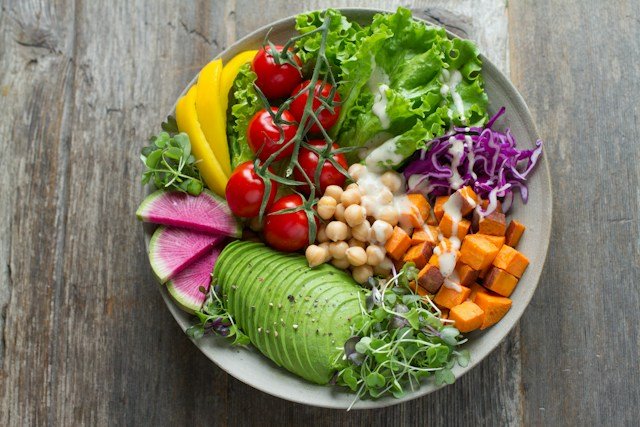
Foods known for their nutrient content and potential anti-inflammatory properties.
Nutrition specialists generally recommend diets rich in vegetables, fruits, healthy fats, and minimally processed foods while limiting excessive consumption of refined sugars and processed ingredients. Such eating patterns have been widely associated with better overall health outcomes.
Small Changes Can Have Long-Term Benefits
For many people, improving nutrition does not require a complete dietary overhaul. Experts often suggest beginning with manageable changes, such as reducing highly processed snacks, increasing vegetable consumption, choosing whole-food protein sources, and preparing more meals at home.
These adjustments may help individuals improve nutrient intake without following restrictive eating plans. Consistency, many health professionals note, is often more important than pursuing perfect diets.
As awareness grows regarding the health impact of daily food choices, consumers are increasingly seeking practical ways to improve their eating habits while maintaining realistic lifestyles.
Looking Ahead
The ongoing conversation surrounding nutrition reflects a larger public health challenge. As chronic conditions continue to affect millions of people worldwide, attention is increasingly shifting toward prevention rather than treatment alone.
The message highlighted in Dr. Eric Berg’s discussion is one echoed by many nutrition experts: prioritizing whole, nutrient-rich foods and reducing reliance on ultra-processed products may help support better long-term health.
While scientific opinions may differ on specific dietary approaches, there remains broad agreement that diets rich in vegetables, quality proteins, healthy fats, and minimally processed foods can play an important role in supporting overall wellness, making nutrition one of the most important health issues facing society today.
Photo by Anna Pelzer on Unsplash