

For someone born with severe inherited vision loss, the world can be difficult to imagine. Faces, colors, landscapes and even something as ordinary as sunlight may exist mainly through descriptions from other people.
Now, advances in gene therapy are offering a different kind of possibility. Instead of simply helping patients adapt to vision loss, researchers are developing treatments designed to address the genetic problems that caused certain eye diseases in the first place.
One of the most important examples is Luxturna, a gene therapy approved for a rare inherited retinal disorder associated with mutations in both copies of the RPE65 gene.
It is a remarkable development, but it is also a story that requires some context. Gene therapy is not a universal cure for blindness, and Luxturna only applies to a specific group of patients. Still, its development demonstrated something once considered extraordinarily difficult: genetic instructions can be delivered directly to cells inside the human eye to restore an important biological function.
The Genetic Problem Behind the Vision Loss
The retina sits at the back of the eye and contains specialized cells that respond to light. Those cells begin a chain of biological events that eventually allows the brain to construct what we experience as vision.
For people with certain RPE65-related retinal diseases, mutations interfere with an essential part of this process.
The RPE65 gene provides instructions for producing an enzyme involved in the visual cycle, the biological process that allows light-sensitive cells to continue responding to light.
When both copies of the gene contain disease-causing mutations, the visual cycle can become severely impaired. Over time, retinal cells may become damaged and vision can progressively deteriorate.
That creates an important challenge for treatment: once retinal cells are permanently lost, simply replacing a missing genetic instruction cannot bring those particular cells back.
This is one reason early diagnosis and specialist evaluation can be so important for eligible patients.
How the Gene Therapy Works
Luxturna takes a fundamentally different approach from conventional treatments.
Rather than delivering a drug that temporarily changes symptoms, the therapy uses a modified adeno-associated virus as a delivery vehicle for a functional copy of the RPE65 gene.
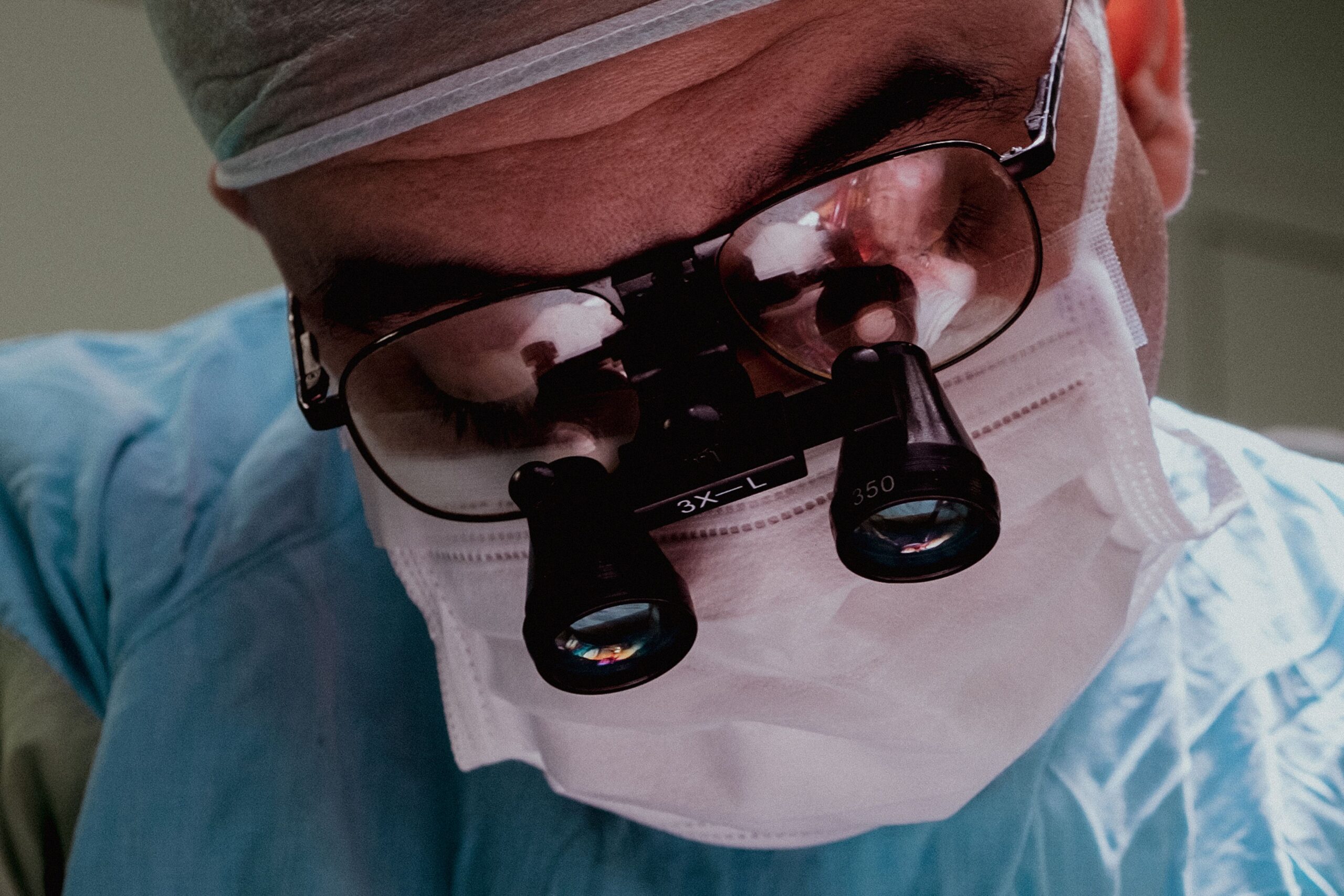
Doctors administer the treatment beneath the retina during a specialized surgical procedure.
The modified viral vector is designed to deliver the genetic instructions to appropriate retinal cells. The goal is for those cells to produce the RPE65 protein needed for the visual cycle to function more normally.
It sounds simple when reduced to a few sentences. In reality, getting genetic material safely into the correct cells while minimizing unwanted effects represents years of research in molecular biology, ophthalmology and drug development.
What Patients Can Actually Gain
One of the most important points about gene therapy is that success should not necessarily be measured by whether someone suddenly develops completely normal vision.
For patients with eligible inherited retinal disease, meaningful improvements can involve light sensitivity, navigation and functional vision.
Being able to detect objects in dim conditions, move through an environment more confidently or distinguish visual information that was previously difficult to perceive can have enormous effects on everyday independence.
But outcomes vary, and treatment does not guarantee the same degree of improvement for every patient.
That is why specialists carefully evaluate the patient’s genetic diagnosis and the condition of the retina before considering treatment.
Why Early Diagnosis Matters
Inherited retinal diseases can be difficult to diagnose because they are relatively rare and can resemble other causes of vision loss.
Genetic testing can help identify the specific mutation responsible for a patient’s condition.
For someone with suspected inherited retinal disease, an accurate diagnosis can provide more than an explanation. It may help determine whether a targeted therapy exists or whether the person could qualify for a clinical trial investigating a new treatment.
The importance of diagnosis is especially significant for gene therapies that require surviving cells capable of receiving and using the delivered genetic instructions.
A New Era for Genetic Medicine
The significance of Luxturna extends beyond eye care.
Its development helped demonstrate that gene therapy could move from an experimental concept into an approved treatment for a genetic disease.
Since then, researchers have continued investigating gene-based treatments for conditions affecting blood, muscles, the nervous system, metabolism and other organs.
Some therapies have already reached clinical practice, while many others remain experimental.
The field is also evolving rapidly. Scientists are working on ways to improve delivery systems, increase the number of cells that can be treated and potentially make therapies easier and less invasive to administer.
The Challenges Are Still Real
It would be misleading to describe gene therapy as a simple solution.
These treatments can be extremely expensive and may require specialized hospitals, highly trained surgeons and complex follow-up care. Manufacturing genetic medicines at scale is also technically challenging.
There are questions about long-term durability, safety and how the immune system responds to delivery systems. For many inherited diseases, scientists still have to determine which cells should be targeted and how to reach enough of them.
And most importantly, not every genetic eye disease has an available gene therapy.
The success of one treatment does not mean that all forms of inherited blindness can currently be reversed.
What This Means for Patients
For families dealing with inherited vision loss, however, the progress is significant.
A genetic diagnosis that once seemed like little more than an explanation may increasingly become a guide toward personalized treatment.
The larger change is philosophical as much as technological. Medicine has traditionally focused on controlling symptoms, replacing missing substances or helping people adapt to permanent disease.
Gene therapy introduces another possibility: addressing the biological instructions behind the disease itself.
That does not mean every faulty gene can be repaired today. It means researchers now have a growing set of tools for attempting to do something that once seemed almost impossible.
For a person who has spent years experiencing the world through limited vision, even a modest improvement can represent something deeply personal.
And for modern medicine, the bigger message is equally powerful: some genetic diseases may not always have to be conditions that patients simply learn to live with.
Photo by Javid Hashimov: https://www.pexels.com/photo/male-surgeon-wearing-surgical-loupes-19577418/