

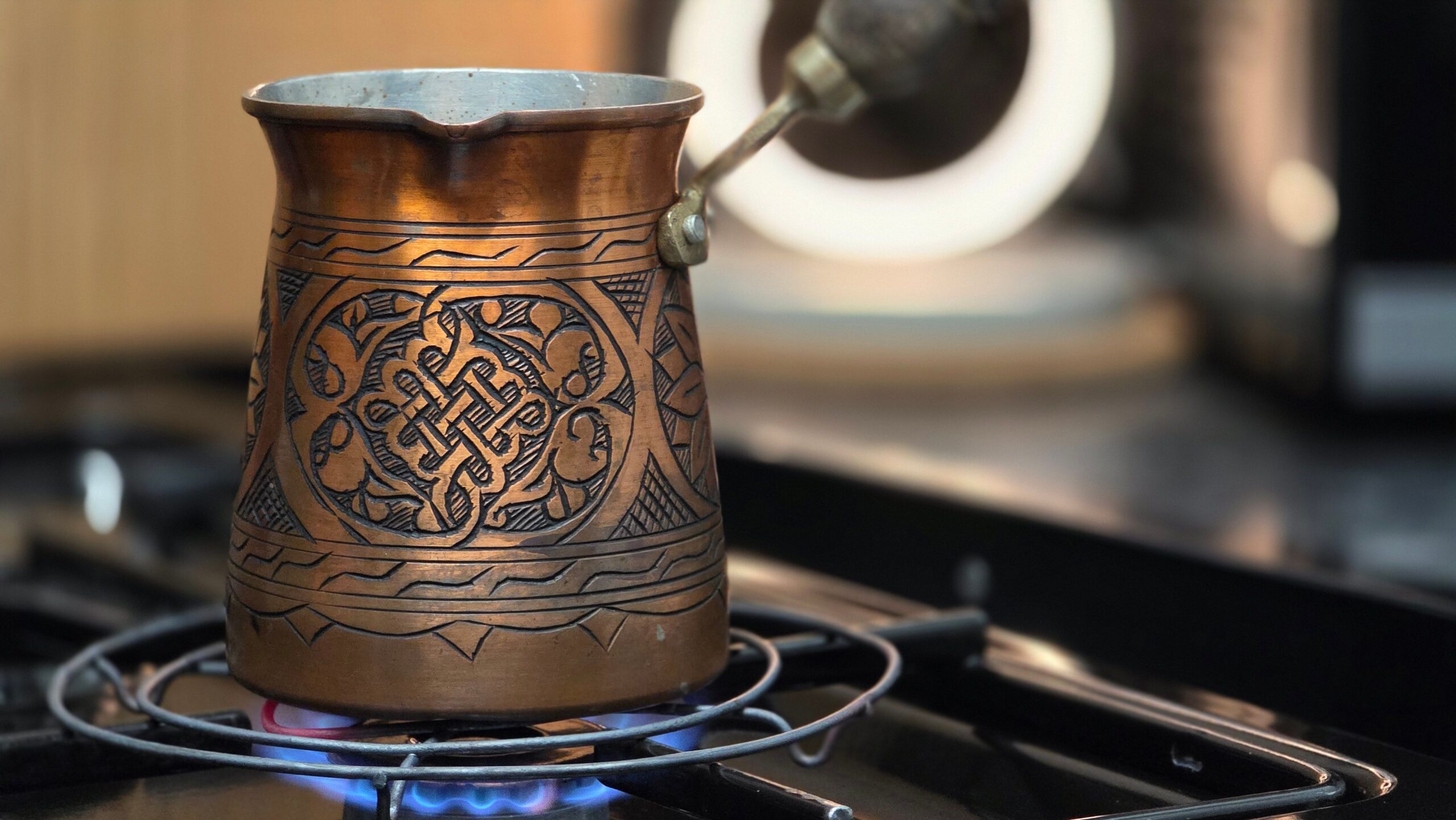
Perhaps you remember it from childhood.
A copper lota sitting quietly in the kitchen. Water poured into it before bed. By morning, it was ready to drink.
For many families, this wasn’t a wellness trend. It was simply what people did.
Decades later, copper water has found a new audience online. Videos and wellness posts now claim that drinking it can “detox” the body, strengthen immunity, improve digestion and even protect against chronic disease.
But strip away the marketing, and something genuinely fascinating remains.
Copper really can affect certain microorganisms.
Scientists have documented antimicrobial activity from copper surfaces and copper ions. Under the right conditions, contact with copper can reduce some bacteria in water.
That raises a more interesting question than whether copper water is a “miracle drink”:
Could an ancient household habit have had a real microbiological advantage all along?
The answer is yes—but with some important limits.
The Invisible Battle Happening Inside the Vessel
Bacteria may be invisible to the naked eye, but they are highly vulnerable to certain environmental conditions.
Copper is one of them.
When water sits against copper, tiny amounts of copper can dissolve into the water. These ions can interact with bacterial cells and interfere with their survival.
Scientists describe this antimicrobial property using the term oligodynamic effect.
In simple terms, copper can disrupt microorganisms through several pathways.
It may damage bacterial membranes, interfere with enzymes needed for normal metabolism and affect genetic material.
The result can be reduced bacterial survival.
This is not mystical energy.
It is chemistry.
And that distinction matters.
The interesting part of the copper-water story is not that copper somehow “energizes” water. It is that a metal used in household vessels for centuries has properties that modern microbiology can actually measure.
But There Is a Catch Most Viral Posts Leave Out
Here is where the story becomes less dramatic—but much more useful.
Copper does not magically make unsafe water safe.
Laboratory studies can demonstrate that copper reduces particular bacteria under particular conditions. That is different from proving that a copper pot can reliably remove every pathogen from contaminated drinking water.
Water can contain bacteria, viruses, parasites or chemical contaminants.
Copper is not a universal purifier.
If your water supply is contaminated, relying on an overnight copper vessel instead of appropriate treatment could create a serious health risk.
For older adults, this distinction deserves particular attention because infections and dehydration can sometimes become more serious with age.
The lesson isn’t “throw away your water filter.”
It is the opposite:
Keep modern water safety measures first—and view copper as an interesting additional property of the vessel, not a replacement for them.
Why the Old Tradition Makes Scientific Sense
Think about the world in which these vessels became part of everyday life.
There were no household water filters with multiple purification stages. No municipal chlorination systems. No routine laboratory testing of drinking water.
People relied on experience.
They observed what seemed to work and passed those practices from one generation to another.
That doesn’t mean every traditional health belief was scientifically correct.
But occasionally, a traditional practice turns out to have a biological explanation.
Copper’s antimicrobial properties may be one such example.
Modern science gives us a way to understand the mechanism that earlier generations could observe without knowing about bacteria.
The Copper Question Older Adults Should Ask
If copper can kill bacteria, shouldn’t more copper be even better?
Absolutely not.
This is perhaps the most important part of the story.
Copper is an essential mineral, but excessive exposure can be harmful.
The body carefully regulates copper, and unusually high exposure can cause gastrointestinal symptoms and, in severe cases, damage organs such as the liver.
That means copper should not be treated like a supplement where “more” automatically means “healthier.”
The goal is not to drink increasingly concentrated copper water.
The Vessel Itself Matters
There’s another detail that can easily get lost in social-media advice.
Not every copper-colored bottle is necessarily a suitable drinking vessel.
Products can differ in purity, construction and coatings. Some decorative items are not designed for food or beverage contact.
If you choose to use a copper vessel, select one intended for drinking water from a reputable manufacturer.
And don’t assume that a traditional appearance automatically means modern safety standards have been met.
One Drink You Shouldn’t Store in Copper
There is a particularly simple rule worth remembering:
Plain water is one thing. Acidic drinks are another.
Acidic liquids can react with copper and potentially increase copper leaching.
So storing lemon juice, citrus drinks, vinegar-based beverages or other acidic liquids for prolonged periods in an unlined copper container is not a good idea.
This is especially worth remembering because many popular wellness recipes combine lemon with water and then recommend storing the mixture in a copper vessel.
Healthy ingredients don’t automatically make every storage method safe.
What About Immunity, Diabetes and “Detoxing”?
This is where skepticism becomes essential.
Copper is required for normal immune and metabolic function because the body needs small amounts of the mineral.
But that does not mean copper water prevents infections or treats chronic disease.
There isn’t good evidence that drinking copper-stored water can cure diabetes, reverse arthritis, prevent cancer or “flush toxins” from the body.
Those claims go far beyond what the science demonstrates.
And for older adults taking medications for diabetes, blood pressure, heart disease or other chronic conditions, a social-media remedy should never replace prescribed treatment.
The healthiest approach is surprisingly simple:
Keep the tradition if you enjoy it—but leave the miracle claims behind.
What If You Already Drink Copper-Stored Water?
There’s no reason to panic simply because you’ve been following this tradition.
If you’re using a suitable drinking-water vessel and storing plain water appropriately, the key is moderation and common sense.
Don’t intentionally leave water stored for extremely long periods.
Don’t use the vessel for acidic beverages.
Keep it clean.
And most importantly, start with water that is already safe to drink.
If you have a medical condition involving copper metabolism or have been advised by your healthcare professional to limit copper exposure, discuss the practice with them.
The Bigger Story Behind the Copper Pot
Perhaps the most remarkable thing about copper water isn’t that it is a secret cure.
It isn’t.
The remarkable part is that a simple household object can sit at the intersection of tradition, chemistry and modern public health.
Our ancestors didn’t have microscopes to watch bacteria disappear.
They didn’t have laboratory assays measuring copper ions.
But they used materials available to them—and some of those materials had properties science would only explain centuries later.
That doesn’t make every traditional health practice correct.
It does remind us that old habits sometimes contain a small piece of truth hidden beneath generations of storytelling.
The Takeaway
If you’re wondering whether that copper vessel sitting in your kitchen has any genuine scientific story behind it, the answer is yes.
Copper has real antimicrobial properties.
But copper water is not a miracle treatment, not a replacement for safe water purification and not a cure for chronic disease.
For older adults especially, the safest approach is to appreciate what the science supports while ignoring what the internet exaggerates.
The copper pot may have an ancient story—but modern science tells us where that story should end.
Photo by Nour Alhoda: https://www.pexels.com/photo/authentic-copper-turkish-coffee-pot-on-stove-35232187/