

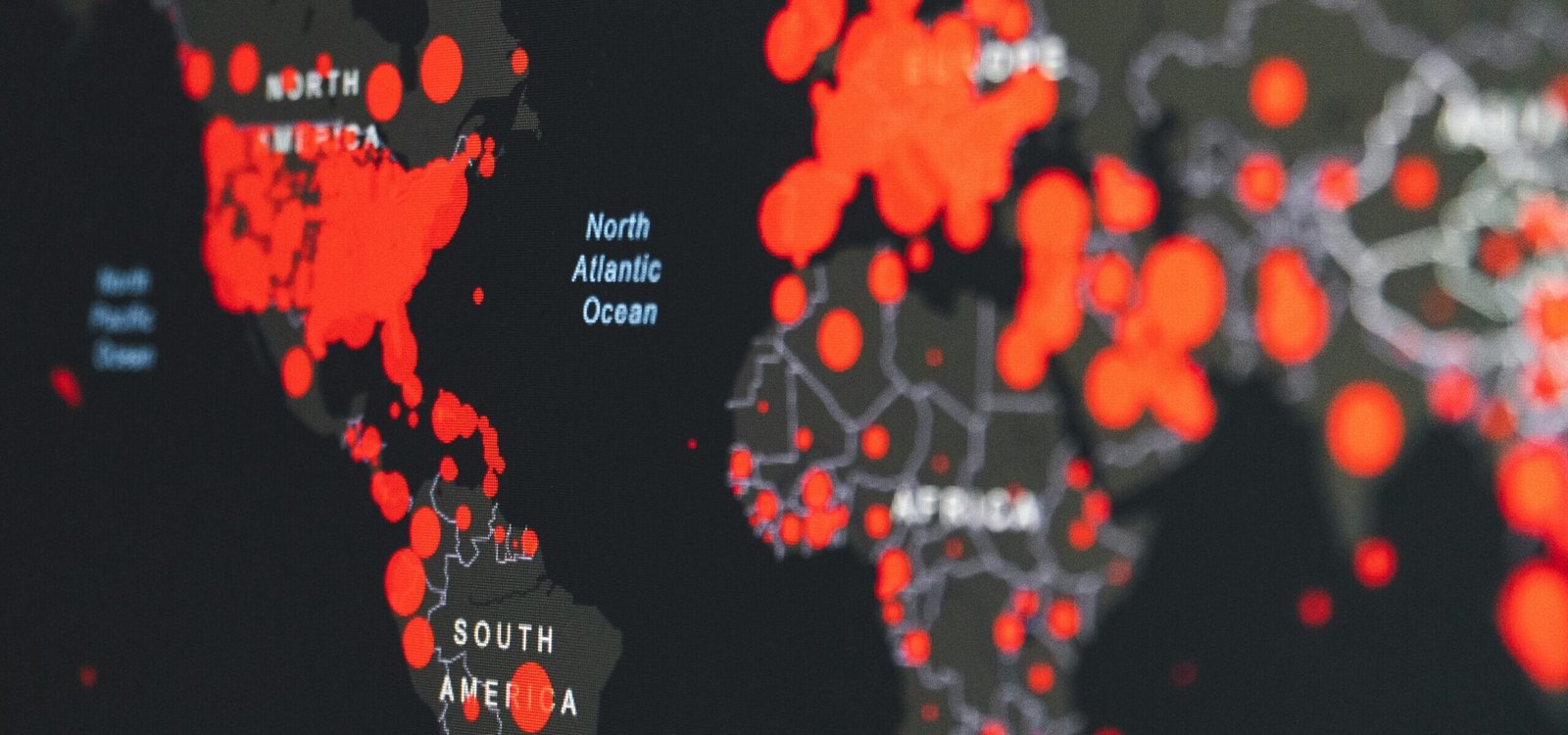
Extreme heat is no longer just an uncomfortable part of summer. Across many parts of the world, rising temperatures are becoming a serious health concern, affecting people who work outdoors, older adults, children and those living with existing medical conditions.
A new projection from the University of Chicago’s Climate Impact Lab has brought this concern into sharper focus. Its El Niño Heat Mortality Tracker estimates that approximately 857,000 additional heat-related deaths could occur worldwide between June 2026 and March 2027. Of these, around 373,000 are projected for October 2026 through March 2027.
These figures are alarming, but they need context. They are statistical projections of excess mortality compared with historical conditions, not a count of confirmed deaths or a prediction that every projected death will occur.
The findings nevertheless highlight an urgent issue: extreme heat can place enormous pressure on public health systems, particularly in countries where access to cooling, clean water and healthcare is limited.
Why Is El Niño Raising Concern?
El Niño is a natural climate pattern involving unusually warm ocean temperatures in the central and eastern tropical Pacific. It influences atmospheric circulation and can change rainfall and temperature patterns in different parts of the world.
Its effects are not identical everywhere. Some regions experience hotter or drier conditions, while others may experience different rainfall patterns.
The concern is especially significant because El Niño develops against a background of long-term global warming. Higher average temperatures can make already hot conditions more dangerous.
The Climate Impact Lab’s updated projections incorporate observed temperatures for August and September, along with an extended forecast period through March. This helps explain why the latest global estimate is substantially higher than its earlier September projection.
India Among the Countries Facing the Highest Risks
The latest tracker identifies Nigeria and India as the countries with the highest projected excess heat mortality between October and March.
Its estimates include:
- Nigeria: Approximately 56,000 additional deaths.
- India: Approximately 55,200 additional deaths.
- Indonesia: Approximately 29,300 additional deaths.
- Brazil: Approximately 19,500 additional deaths.
For India, researchers project that much of the estimated impact could occur in March, when temperatures begin rising ahead of the summer season.
The risks are not limited to people working in direct sunlight. Urban residents living in poorly ventilated homes, people without reliable electricity and older adults living alone may also struggle to escape prolonged heat.
Agricultural workers, construction labourers, street vendors and delivery workers face particular challenges because their jobs may require physical activity outdoors, even during very hot weather.
What Happens to the Body During Extreme Heat?
The human body maintains a relatively stable internal temperature through several processes. Sweating and increased blood flow near the skin help release excess heat.
However, these cooling mechanisms become less effective when temperatures are very high, particularly when humidity makes it harder for sweat to evaporate.
As the body loses fluid through sweating, dehydration can develop. Blood volume may fall, placing additional strain on the heart and circulation. People with existing cardiovascular or kidney conditions can be especially vulnerable.
Severe overheating can lead to heatstroke, a medical emergency in which the body’s temperature regulation fails and organs may become damaged.
Importantly, heat-related illness does not always look dramatic at first. Headache, dizziness, weakness, nausea and unusual tiredness can be early warning signs.
Who Needs Extra Protection?
Extreme heat can affect anyone, but some groups face greater risks.
Older adults may have a reduced ability to regulate body temperature. Infants and young children also need additional protection because they can become overheated more easily.
People with heart, lung or kidney conditions may experience worsening symptoms during prolonged hot weather. Certain medications can also affect sweating, hydration or the body’s response to heat, so people taking regular medicines should ask their healthcare professionals about precautions.
Outdoor workers are another important group. They may have limited opportunities to rest, find shade or access drinking water during their shifts.
Protecting these workers requires more than asking them to be careful. Employers and governments need to provide shaded rest areas, drinking water, suitable work schedules and frequent breaks. India’s 2026 heatwave advisory also highlights these workplace protections.
Practical Ways to Reduce Heat-Related Illness
Many heat-related health problems are preventable when people and communities prepare early.
A few practical measures can make a meaningful difference:
- Drink water regularly: Do not wait until you feel extremely thirsty. People doing prolonged physical work may need additional fluids and, where appropriate, electrolyte replacement.
- Avoid peak afternoon heat: Limit strenuous outdoor activities during the hottest part of the day whenever possible.
- Wear suitable clothing: Choose lightweight, loose-fitting clothing and use a hat or umbrella when outdoors.
- Keep indoor spaces cooler: Use curtains or shades to reduce direct sunlight, improve ventilation when outdoor air is cooler and spend time in a cooler location when necessary.
- Check on vulnerable people: Older neighbours, young children and people with chronic illnesses may need extra help during hot weather.
These measures are consistent with guidance from the World Health Organization and India’s public-health authorities.
Confusion, fainting, seizures or loss of consciousness during extreme heat may indicate heatstroke. Seek emergency medical help immediately and begin cooling the affected person while help is on the way. Do not wait for symptoms to disappear on their own.
Why Climate Preparedness Is Also Healthcare
The latest El Niño projections are a reminder that climate conditions and human health are closely connected.
Hospitals need plans for periods of extreme heat. Cities need accessible cooling spaces, reliable drinking-water supplies and early-warning systems. Employers must protect people whose livelihoods depend on outdoor work.
For countries such as India, preparation is particularly important as temperatures rise towards the summer months.
The projected figures are not a reason to panic. They are a reason to act. Better planning, practical public-health measures and protection for vulnerable communities can reduce the harm caused by extreme heat.
El Niño may influence the weather, but its human consequences depend greatly on how well communities prepare. Protecting people from extreme heat must become a central part of protecting public health.
Photo by Martin Sanchez on Unsplash