

For many people, the word Ebola brings back memories of emergency treatment centres, protective suits and international efforts to stop a dangerous infectious disease. Medical research has made important progress since earlier outbreaks, particularly through vaccines and treatments developed against certain Ebola viruses.
But the 2026 Bundibugyo Ebola outbreak is highlighting an important limitation: not every Ebola virus responds to the same medical countermeasures.
The outbreak in the Democratic Republic of the Congo (DRC) has become the largest recorded outbreak of Bundibugyo virus disease. By 29 October 2026, the country had reported 10,274 confirmed cases and 4,992 deaths. Cases have also been reported in several other countries, prompting renewed international concern and coordinated public health action. <Cite refs={[“turn884923search9″,”turn884923search11”]}/>
The situation is serious, but understanding the virus and the response is more useful than giving in to fear.
What Makes Bundibugyo Virus Different?
Bundibugyo virus belongs to the group of viruses that cause Ebola disease. It was first identified in Uganda in 2007, when an outbreak occurred in the Bundibugyo district. A later outbreak was recorded in the DRC in 2012.
Although it belongs to the same broader virus family as the Ebola virus responsible for the major West African outbreak of 2014–2016, Bundibugyo is a distinct species.
That distinction matters because vaccines and antibody treatments are designed to recognise particular viral targets. Ervebo, the licensed Ebola vaccine, was developed against Zaire ebolavirus. The antibody treatments Inmazeb and Ebanga were also developed for disease caused by that species.
They cannot simply be assumed to work against Bundibugyo virus.
The World Health Organization (WHO) says there are currently no licensed vaccines or approved specific treatments for Bundibugyo virus disease. Research and clinical trials are under way to evaluate possible countermeasures. WHO has recommended that Ervebo be used against Bundibugyo disease only within a research protocol because its effectiveness against this species in humans remains unknown. <Cite refs={[“turn884923search1″,”turn884923search2”]}/>
How Does the Virus Spread?
Like other Ebola viruses, Bundibugyo virus spreads through direct contact with the blood or other bodily fluids of someone who is infected and showing symptoms. Contact with contaminated objects or the body of someone who has died from the disease can also create a risk of infection.
The virus does not spread like ordinary seasonal respiratory infections. Being in the same public place as an infected person does not automatically mean someone will become infected.
Symptoms usually develop between two and 21 days after exposure. Early signs can include fever, headache, muscle pain, weakness and tiredness. Some people later develop vomiting, diarrhoea, abdominal pain and other serious complications.
These early symptoms can resemble other illnesses, including malaria and typhoid fever. This makes travel history, laboratory testing and timely medical assessment particularly important in areas experiencing an outbreak.
People are generally considered infectious when symptoms begin. This is one reason why recognising illness early and monitoring people who have had close contact with confirmed cases are central to outbreak control.
Why Is the Current Outbreak So Concerning?
The scale and duration of the outbreak have placed considerable pressure on healthcare services in affected areas of the DRC.
By late October, the outbreak had spread across eight provinces. Health authorities have also reported cases in Kenya and Nigeria, while earlier imported cases were identified in Uganda and France. Uganda’s outbreak was declared over in August after 42 days without a new confirmed case. The patient identified in France also recovered and was discharged. <Cite refs={[“turn884923search9″,”turn884923search0”]}/>
The international spread of cases demonstrates why cross-border surveillance matters. People travel for work, family responsibilities and medical care. An infection acquired in one location may only become apparent after someone has travelled elsewhere.
However, imported cases do not automatically mean widespread transmission in the destination country. Public health teams use testing, contact tracing and follow-up to identify possible infections and interrupt further spread.
WHO has assessed the global risk as low in its October 2026 update, while recognising the serious situation in the DRC and the need for continued regional cooperation. <Cite refs={[“turn884923search11”]}/>
Why Early Medical Care Matters
Without an approved Bundibugyo-specific medicine, supportive medical care remains an important part of treatment.
Patients may need careful monitoring, fluids, electrolyte management, nutritional support and treatment for complications. Healthcare teams also work to recognise changes in a patient’s condition and provide appropriate care as early as possible.
There is no reliable basis for claiming that one particular treatment protocol guarantees survival or reduces mortality to a fixed percentage. Outcomes depend on several factors, including disease severity, access to care and the quality and timing of treatment.
Healthcare workers also need appropriate protective equipment, infection-prevention training and reliable diagnostic facilities. These measures protect both patients and the people caring for them.
The Search for Better Vaccines and Treatments
Scientists are working to develop medical countermeasures specifically suited to Bundibugyo virus. Candidate vaccines and investigational treatments are being evaluated through research and clinical trials.
This work is important because preparing for one Ebola species does not guarantee protection against another. Future research may also help scientists understand which approaches could offer broader protection against related viruses.
But clinical trials must establish whether a candidate is safe and effective. A promising laboratory result is not the same as a proven vaccine or treatment for people.
Why Global Cooperation Still Matters
The Bundibugyo outbreak is not simply a challenge for the DRC. It is a reminder that infectious diseases can expose weaknesses in healthcare systems, especially where hospitals, laboratories and public health services have limited resources.
Effective outbreak control depends on early diagnosis, trained healthcare workers, transparent reporting, community trust and reliable access to medical supplies. Safe and respectful burial practices and cooperation with local communities are also essential.
For people living outside affected areas, the most important message is to follow trusted public health updates rather than rumours or alarming social media posts. People who have travelled from an affected area and develop concerning symptoms should seek prompt medical advice and explain their travel history.
The 2026 Bundibugyo outbreak shows that progress against Ebola is real, but it is not complete. Better vaccines, stronger healthcare systems and sustained international cooperation are essential to reducing the impact of future outbreaks.
The lesson is clear: global health security depends not only on the treatments we already have, but also on how well we prepare for the diseases those treatments cannot yet control.
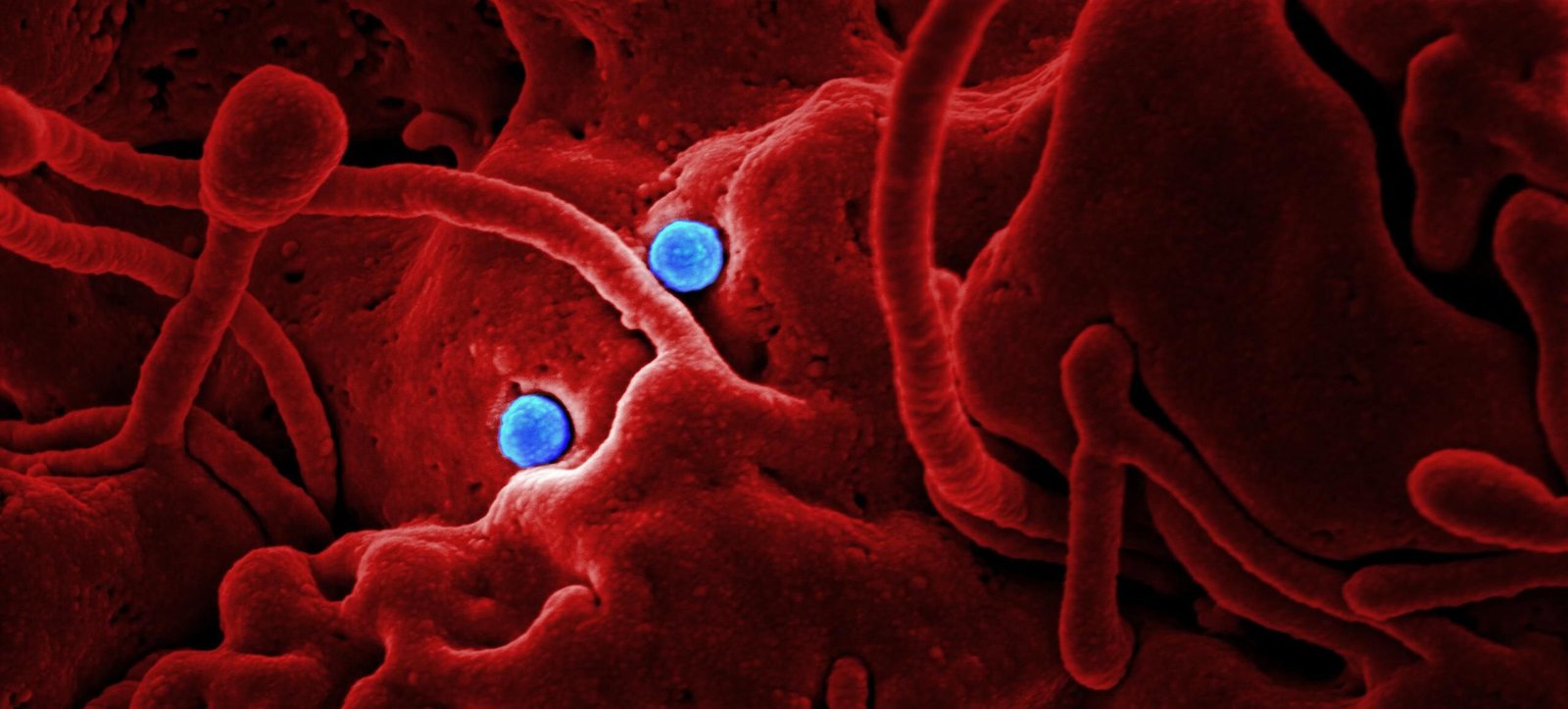
Photo by CDC: https://www.pexels.com/photo/microscopic-image-of-a-virus-3992930/