

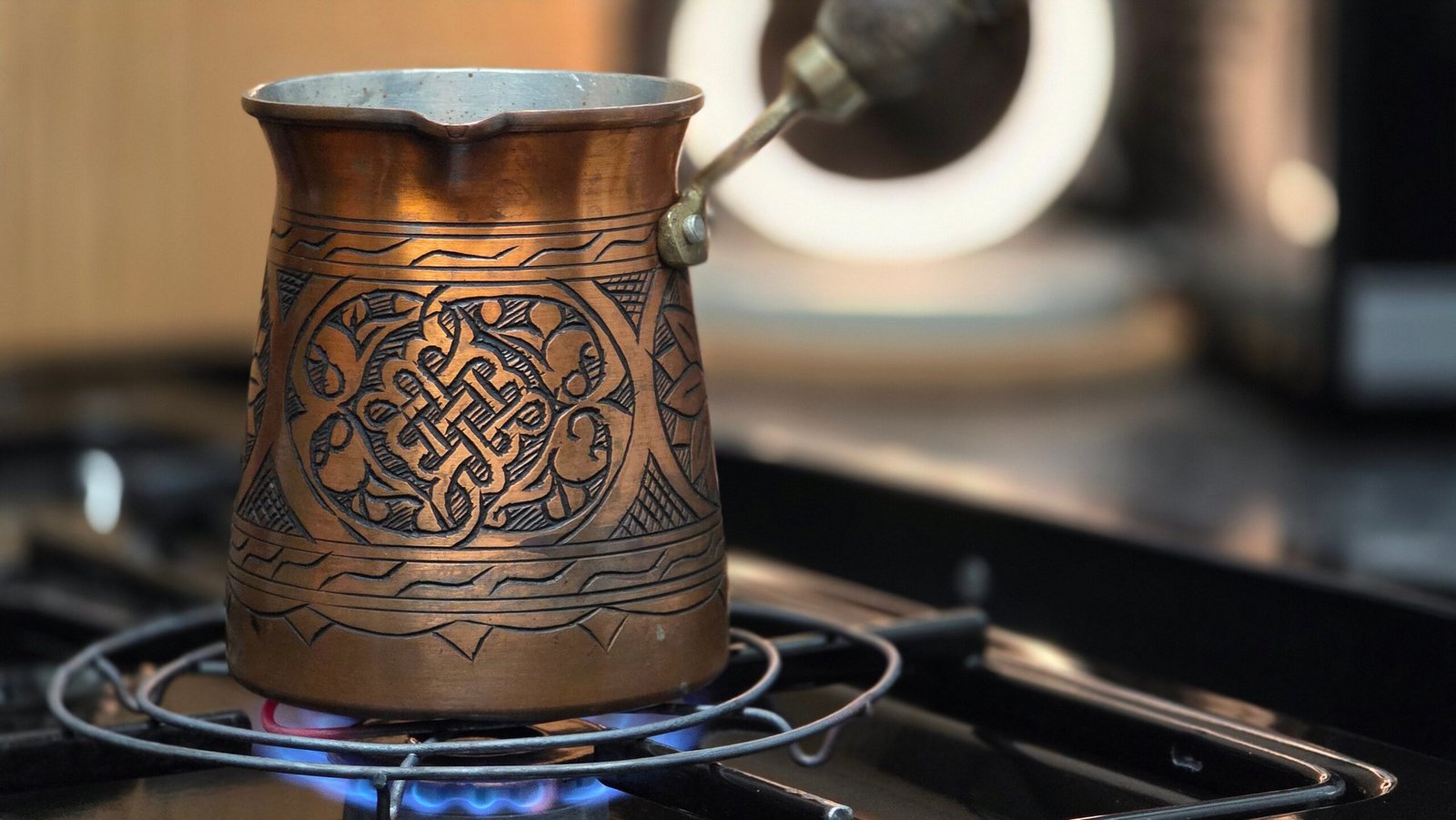
In many South Asian households, storing drinking water in a copper vessel is a familiar tradition. Known in Ayurveda as Tamra Jal, the practice has been passed down through generations, often with claims about its health benefits.
Today, researchers are examining one specific question: can copper help reduce harmful bacteria in stored water?
The answer is promising, but it needs context. A study published in the Journal of Health, Population and Nutrition in 2012 found that several diarrhoea-causing bacteria were no longer detectable using the researchers’ culture methods after contaminated water had been stored in copper pots for 16 hours. Read the study.
This does not mean copper water is a cure-all or that every vessel makes unsafe water safe. Understanding what the research actually shows is essential before applying it at home.
How Does Copper Affect Bacteria?
Copper is an essential mineral for the human body, but it also has antimicrobial properties. When certain microorganisms come into contact with copper surfaces or copper ions, their cell membranes, proteins and other important structures can be damaged.
This process can interfere with bacterial survival and normal cellular functions.
In the 2012 study, researchers tested water contaminated with several disease-causing bacteria, including Escherichia coli, Salmonella Typhi and Vibrio cholerae. These organisms can cause serious gastrointestinal illnesses.
After 16 hours of storage at room temperature, the researchers could no longer recover the tested bacteria from the copper pots using their laboratory methods. In comparison, bacteria remained detectable in the control containers. The measured copper concentration in the stored water was approximately 177 micrograms per litre, or 0.177 milligrams per litre. Study details.
The results suggest that copper may have a useful role in reducing bacterial contamination under particular conditions. However, laboratory findings do not automatically establish how reliably a household practice will work with different water sources, vessel designs and contamination levels.
Does Copper Water Kill Every Germ?
No—and this is one of the most important points to understand.
The study focused on selected bacteria under controlled experimental conditions. It did not prove that copper storage reliably eliminates every disease-causing organism from drinking water.
Water can contain viruses, parasites and other microorganisms that may not respond to copper in the same way. Copper storage also does not remove chemical contaminants such as arsenic, lead, pesticides or nitrates.
Even water that looks clear and smells normal may contain harmful contaminants.
For these reasons, a copper pot should not replace approved water-treatment methods. If your water source is unsafe or its quality is uncertain, follow local public-health guidance on filtration, disinfection or boiling, as appropriate for the suspected contamination. Copper storage should not be treated as a guarantee of safety.
Is Copper Water Safe to Drink?
Copper is necessary for normal body functions, including energy production and the functioning of the nervous and immune systems. However, consuming too much copper can cause nausea, vomiting, abdominal discomfort and other health problems.
The World Health Organization’s drinking-water guideline for copper is 2 milligrams per litre. This is a health-based guideline, not a target concentration that households should aim to reach. Copper levels can vary depending on water chemistry, contact time and the vessel itself. WHO copper guidance.
People with conditions that affect copper metabolism should seek advice from a healthcare professional before deliberately increasing their copper exposure.
It is also important not to assume that every copper bottle or pot is suitable for drinking water. Some products may have internal coatings, mixed-metal construction or decorative finishes that are not intended for food contact.
How to Use Copper Vessels More Safely
If you choose to store drinking water in a copper vessel, a few sensible precautions can help reduce avoidable risks.
- Choose a food-safe vessel. Buy from a reputable manufacturer and check that the product is specifically intended for drinking water.
- Store plain water only. Avoid lemon water, fruit juice and other acidic drinks, which can increase copper release into the liquid.
- Clean the vessel regularly. Wash it according to the manufacturer’s instructions, rinse thoroughly and allow it to dry. Do not rely on the vessel’s antimicrobial properties to keep it clean.
- Watch for unusual changes. If the water develops an unusual colour, taste or smell, stop drinking it until the cause has been assessed. Do not use a vessel with damaged internal coatings or concerning corrosion.
- Keep using reliable water treatment. Where treatment is necessary, do not skip it simply because water has been stored in copper.
There is no universal guarantee that a fixed overnight storage period will make water from an unsafe source safe to drink.
What About Other Health Benefits?
Copper is an essential nutrient, but that does not mean drinking water stored in copper provides extra health benefits. Current evidence does not establish that copper water improves digestion, boosts immunity, detoxifies the body or prevents disease in otherwise healthy people.
For most people, adequate copper intake comes from a varied diet. The best reason to consider copper storage is its potential antimicrobial effect under specific conditions—not unproven wellness claims.
The Takeaway: Tradition Meets Evidence
Research into copper vessels offers an interesting example of how a traditional practice can raise useful scientific questions. Laboratory studies show that copper can reduce certain harmful bacteria in stored water, but important questions remain about its reliability in everyday conditions and its effectiveness against other contaminants.
For households, safe drinking water still depends on a reliable source, appropriate treatment, clean storage containers and sound hygiene practices.
Copper may have a supporting role, but it is not a substitute for proven water purification. When it comes to protecting health, the most effective approach is to respect promising research while following established public-health advice.
Photo by Nour Alhoda: https://www.pexels.com/photo/authentic-copper-turkish-coffee-pot-on-stove-35232187/