

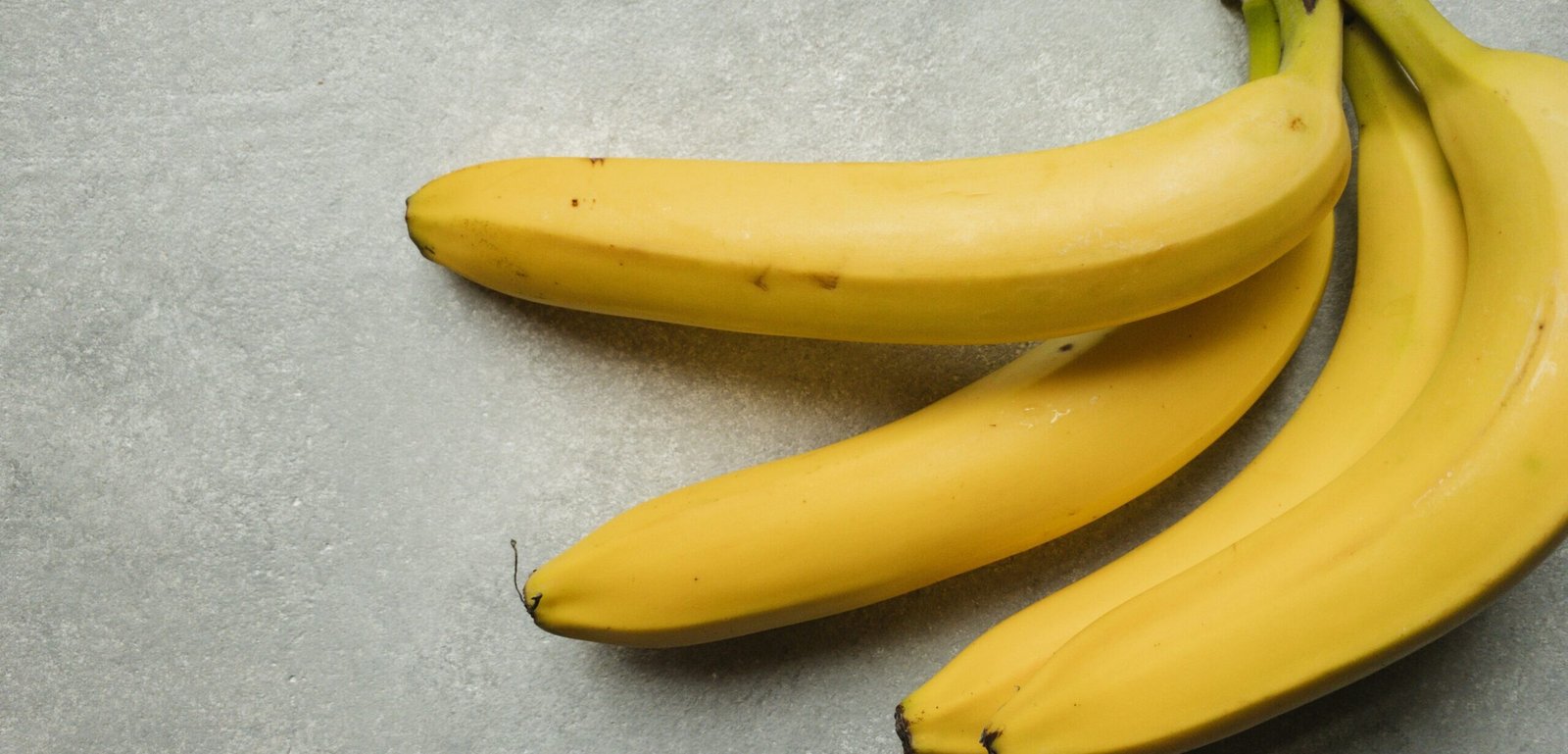
It is late, the house is quiet, and you are starting to feel hungry. You want something small before bed, but you also want a good night’s sleep. Among the options in the kitchen, a banana seems like a sensible choice.
Online, bananas are often promoted as a natural sleep remedy. The explanation sounds convincing: they contain vitamin B6, magnesium, potassium and small amounts of tryptophan, a nutrient involved in the body’s production of serotonin and melatonin.
But does eating a banana before bed actually help you fall asleep faster or stay asleep longer? The answer is more nuanced than social media headlines suggest.
Why bananas are linked to sleep
Sleep depends on several systems working together, including the body’s internal clock, signals that build sleep pressure throughout the day, and the brain’s chemical messengers.
Bananas provide nutrients that support normal body functions, some of which are involved in these processes.
Vitamin B6 helps the body make neurotransmitters, including serotonin. Serotonin is involved in many functions, and it contributes to the biological pathway through which melatonin is produced. Melatonin helps signal that it is time for sleep, particularly as evening darkness approaches.
Magnesium supports nerve function, muscle function and many chemical reactions throughout the body. It is sometimes marketed as a sleep aid, but that does not mean the relatively small amount in a banana will have a noticeable sedative effect.
Potassium helps maintain fluid balance and the normal electrical activity of nerves and muscles. It is important for health, but it is not a direct sleep-inducing nutrient.
Bananas also contain carbohydrates and fibre, which contribute to energy and digestion. A medium banana provides roughly 3 grams of fibre, 32 milligrams of magnesium, 420 milligrams of potassium and 0.4 milligrams of vitamin B6. Exact amounts vary with size and ripeness.
These are useful nutritional qualities. However, supporting the body’s normal processes is not the same as triggering sleep on demand.
What does research actually say?
The direct evidence for bananas as a bedtime sleep aid remains limited.
A small study published in 2024 examined bedtime banana and milk consumption in people with primary insomnia. It included just 21 participants divided into three groups: banana, milk and control. Some sleep-quality scores improved in the banana and milk groups, while the milk group showed an increase in total sleep time compared with its baseline measurement. The small sample makes it difficult to draw firm conclusions about bananas specifically. <Cite refs={[“turn539391search2″,”turn539391search4”]}/>
This distinction matters. A small study can provide a useful starting point for further research, but it cannot establish that a banana reliably treats insomnia or works for everyone.
There is also no strong evidence that a banana eaten 30 minutes before bed produces a predictable rise in melatonin, prevents waking at 3 a.m. or keeps stress hormones low throughout the night.
The same caution applies to banana-peel tea. Claims that boiling the peel delivers a powerful dose of sleep-promoting compounds have not been established by robust clinical trials.
In short, the science is interesting, but the banana is not a proven sleep treatment.
Can a bedtime snack still help?
Yes, in some circumstances—particularly when hunger is keeping you awake.
Going to bed feeling uncomfortably hungry can make it harder to settle down. If you have had an early dinner or a busy evening, a light snack may help you feel more comfortable.
A banana is one convenient option. It is easy to prepare, provides fibre and carbohydrates, and can be part of a balanced eating pattern. You do not need to eat one at a precise time or follow a special recipe to get its nutritional benefits.
If you prefer something more filling, you could pair it with a little plain yoghurt or nut butter, provided those foods suit your needs. The goal is simply to find a snack that satisfies hunger without leaving you uncomfortably full.
There is no need to force yourself to eat when you are not hungry, either. A bedtime snack is a personal choice, not a requirement for good sleep.
Four habits that matter more than a magic fruit
If you regularly struggle to fall asleep, focus on the habits with stronger evidence behind them.
1. Keep a consistent sleep schedule. Going to bed and waking up at roughly the same time helps support your body’s internal clock.
2. Make evenings calmer. Lower the lights, put away stimulating activities when possible and choose a relaxing routine, such as reading or listening to quiet music.
3. Watch caffeine timing. Coffee, energy drinks, strong tea and other caffeinated products can interfere with sleep, especially when consumed later in the day.
4. Create a sleep-friendly room. A dark, quiet and comfortably cool environment can make it easier to rest. Try to avoid using your bed as a place for endless scrolling.
These approaches are consistent with guidance from the US National Heart, Lung, and Blood Institute. For persistent insomnia, cognitive behavioural therapy for insomnia (CBT-I) is a recommended first-line treatment for adults with long-term symptoms. <Cite refs={[“turn539391search0″,”turn539391search1”]}/>
When poor sleep needs attention
An occasional restless night is common. But if you regularly have difficulty falling asleep, wake repeatedly during the night or feel exhausted during the day, do not assume that changing your evening snack will solve the problem.
Stress, irregular schedules, certain medicines and medical conditions can all affect sleep. A healthcare professional can help identify possible causes and discuss appropriate treatment.
The verdict: Enjoy the banana, but keep expectations realistic
A banana before bed can be a perfectly reasonable snack if you are hungry. It provides useful nutrients and may help you feel comfortable enough to settle down for the night.
What it cannot promise is a rapid trip to deep sleep, uninterrupted rest until morning or a cure for insomnia.
Rather than searching for one food that can fix every restless night, think of sleep as the result of several habits working together. A balanced diet, a regular routine and a comfortable sleeping environment are a better foundation than any so-called superfood.
So, if you spot a banana in the kitchen tonight, feel free to enjoy it. Just remember: it is food, not a sleeping pill—and good sleep rarely comes down to a single ingredient.
Photo by Anastasia Eremina on Unsplash