

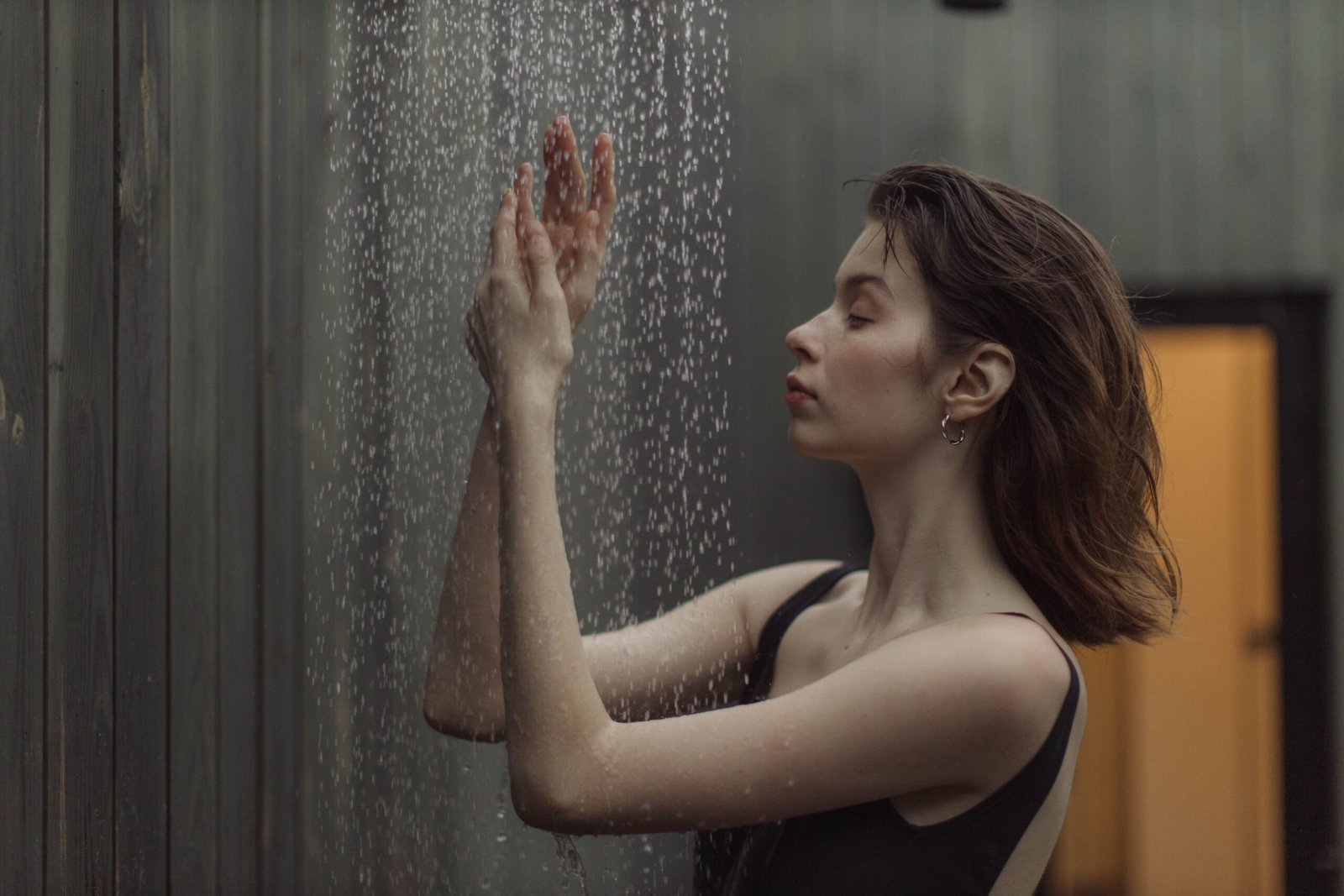
After a long day of school, work, screens and responsibilities, switching off can be harder than it sounds. Your body may be tired, but your mind keeps replaying conversations, remembering unfinished tasks and planning tomorrow.
A small change to your evening routine may help: taking a comfortably warm shower while keeping the bathroom lighting soft.
Some people enjoy showering in near darkness because it feels peaceful and reduces visual distractions. However, there is an important distinction between creating a calming atmosphere and claiming that a pitch-black shower has special medical benefits. Research supports some aspects of an evening wind-down routine, but the specific effects of showering in complete darkness have not been well established.
Why Evening Light Matters
Light does more than help us see. It also signals to the brain whether it is daytime or nighttime.
Specialised cells in the retina send information about light exposure to the body’s internal clock, which helps regulate the sleep-wake cycle. Bright light in the evening can delay the body’s natural timing for sleep, particularly when exposure occurs close to a person’s usual bedtime.
This is one reason sleep experts recommend lowering indoor lighting at night and taking a break from electronic devices before bed.
You do not need to sit in complete darkness to benefit. Switching off harsh overhead lights, choosing softer illumination and putting your phone aside may help create a more relaxing environment.
The goal is not to eliminate every ray of light. It is to give your body a clearer signal that the busy part of the day is ending.
Can a Warm Shower Help You Fall Asleep?
There is encouraging evidence that a warm shower or bath before bedtime may help some people fall asleep more quickly.
A 2019 systematic review and meta-analysis examined research on warm-water bathing and sleep. It found that water-based warming, particularly when scheduled around one to two hours before bedtime, was associated with improvements in sleep onset and some measures of sleep quality. The evidence was limited by the relatively small number of comparable studies. Read the research review.
The explanation involves body temperature. Although a warm shower temporarily warms the skin, it can increase blood flow near the body’s surface, helping the body release heat afterward. This cooling process is associated with the natural transition toward sleep.
That does not mean a shower will make everyone fall asleep faster. Nor does it mean hotter water is better. Water that is excessively hot can irritate the skin, cause discomfort or leave you feeling overheated.
Choose a comfortable temperature and a duration that feels relaxing rather than exhausting.
Does Showering in Complete Darkness Work Better?
This is where the evidence becomes less certain.
A dark or dimly lit bathroom may reduce visual stimulation and make it easier to focus on the sensation of warm water, steady sounds and slow breathing. For some people, that can feel like a useful break from screens and constant notifications.
However, there is not strong clinical evidence showing that a pitch-black shower specifically switches off the brain’s stress response, produces a special surge of melatonin or improves deep sleep more than a safely lit, relaxing shower.
You also do not need to deprive yourself of visual input to relax. A softly lit bathroom can offer many of the same calming qualities without the risks of moving around a slippery space in complete darkness.
If your mind feels busy, try taking a few comfortable breaths, relaxing your shoulders and paying attention to the sound of the water. Think of it as a quiet pause rather than a treatment with guaranteed results.
How to Build a More Restful Evening Routine
A shower can be one part of a wider approach to better sleep. A few simple habits may help:
- Dim the lights: Use softer lighting during the hour or two before bed when practical.
- Put screens away: Try switching off phones, tablets and computers at least 30 minutes before bedtime.
- Keep your routine consistent: Going to bed and waking up at roughly the same time helps support your body clock.
- Make your bedroom comfortable: A quiet, dark and comfortably cool sleeping space can support better rest.
- Allow time to unwind: Read something enjoyable, listen to calming music or have a warm shower without rushing.
Most teenagers need around eight to ten hours of sleep each night, while most adults need at least seven hours. Regularly getting too little sleep can affect mood, attention, learning and overall health.
Safety Comes Before Darkness
Bathrooms can be slippery, so avoid showering in complete darkness. You need enough light to see where you are stepping, adjust the taps safely and avoid obstacles. This is particularly important if you feel dizzy, have balance difficulties or are unfamiliar with the bathroom layout.
Keep the floor clear, use a nonslip mat where appropriate and choose comfortable water temperatures. There is no need to make your routine challenging or disorienting to get the benefits of winding down.
The Takeaway
Better sleep rarely depends on one perfect trick. It usually comes from a collection of habits that help the mind and body settle into a regular rhythm.
A warm shower, softer lighting and a break from screens may be a useful combination for some people. Complete darkness is neither necessary nor proven to provide additional benefits, and safety should always come first.
If you regularly struggle to fall asleep, feel exhausted during the day or have persistent sleep difficulties, speak with a healthcare professional.
Sometimes the most helpful evening reset is not an elaborate wellness ritual. It is simply slowing down, lowering the lights safely and giving yourself time to rest.
Photo by Yaroslav Shuraev: https://www.pexels.com/photo/side-view-of-a-woman-taking-a-shower-5979634/