

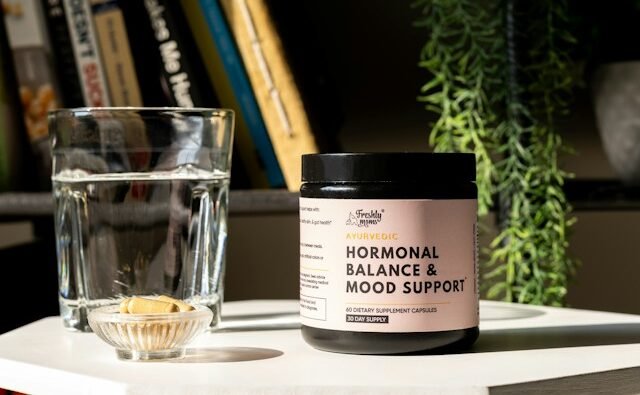
As healthcare increasingly emphasizes prevention over treatment, more people are using personalized nutrition, sleep optimization, biomarker tracking, and lifestyle interventions to improve long-term health and quality of life.
From Preventive Care to Personalized Wellness, Healthcare Enters a New Era
For decades, healthcare systems around the world largely focused on diagnosing and treating illness after symptoms appeared. Today, however, that approach is increasingly being complemented by a growing emphasis on prevention, early detection, and long-term wellness. Across the health sector, individuals are showing greater interest in understanding their bodies before problems develop rather than waiting until diseases become more difficult to manage.
This shift is helping redefine what it means to be healthy. Instead of focusing solely on lifespan, experts are increasingly discussing “healthspan” — the number of years a person lives in good physical, mental, and functional health. As new technologies and scientific discoveries become more accessible, people are embracing proactive strategies designed to support healthy aging and improve overall well-being.
A Move Toward Prevention Rather Than Reaction
One of the biggest changes in modern healthcare is the growing focus on prevention.
Preventive health strategies aim to identify potential risks before they develop into serious medical conditions. Routine screenings, annual physical examinations, vaccinations, and lifestyle assessments continue to play a central role, but newer technologies are allowing individuals to gain deeper insights into their health than ever before.
Many people are becoming more engaged in monitoring key health indicators such as blood pressure, cholesterol, blood sugar, body composition, and cardiovascular fitness. The goal is not merely to avoid disease but to better understand personal health trends and take action when changes emerge.
Healthcare providers increasingly emphasize that small interventions made early can often have a greater impact than treatments introduced after significant health complications have already developed.
The Rise of Biomarker Tracking
Advanced biomarker monitoring has become one of the fastest-growing trends in wellness and preventive medicine.
Biomarkers are measurable indicators that provide information about how the body is functioning. While traditional blood tests remain valuable, many people are now looking beyond standard panels to gain a more detailed understanding of metabolic health, cardiovascular risk, inflammation, and recovery.
Wearable devices have contributed significantly to this trend. Modern smartwatches and health trackers can monitor heart rate, activity levels, sleep quality, oxygen saturation, and other metrics throughout the day.
The increasing availability of health data has empowered individuals to participate more actively in their healthcare decisions. Rather than relying solely on occasional doctor visits, people can now track patterns over time and discuss meaningful trends with their healthcare providers.
Experts caution, however, that personal health data should be interpreted carefully and ideally in consultation with medical professionals to avoid unnecessary anxiety or misinterpretation.
Personalized Nutrition Gains Momentum
Nutrition remains a cornerstone of health, but the conversation has evolved considerably in recent years.
Instead of following one-size-fits-all diets, many individuals are exploring personalized approaches tailored to their unique biology, lifestyle, and health goals. Advances in nutrition science are helping researchers better understand why two people may respond differently to the same foods.
Interest in gut health and the human microbiome continues to grow as studies reveal the important role intestinal bacteria play in digestion, immunity, metabolism, and even mental health.
As a result, many people are paying greater attention to food quality, fiber intake, hydration, and dietary patterns that support microbial diversity.
At the same time, public health experts continue to warn about excessive consumption of ultra-processed foods. Research increasingly associates heavily processed diets with increased risks of obesity, cardiovascular disease, type 2 diabetes, and other chronic conditions.
Rather than focusing solely on calorie counts, modern nutritional advice increasingly emphasizes nutrient density, whole foods, and sustainable eating habits that can be maintained over the long term.
Sleep Becomes a Health Priority
Sleep, once overlooked in many wellness conversations, has emerged as one of the most important pillars of health.
Growing scientific evidence shows that quality sleep affects virtually every system in the body. Chronic sleep deprivation has been linked to impaired immunity, increased cardiovascular risk, metabolic dysfunction, mood disorders, and reduced cognitive performance.
As awareness grows, people are beginning to treat sleep with the same importance traditionally given to exercise and nutrition.
Sleep-tracking technologies have contributed to this shift by helping individuals better understand their sleeping patterns, bedtime habits, and recovery cycles. Many wellness experts now recommend prioritizing consistent sleep schedules, limiting late-night screen exposure, and creating environments that support restorative rest.
The growing focus on sleep reflects a broader understanding that recovery is essential for both physical and mental performance.
Longevity and Healthy Aging Take Center Stage
Another major trend reshaping wellness in 2026 is the growing interest in longevity.
Healthy aging is no longer viewed simply as avoiding disease. Increasingly, it is about preserving strength, mobility, cognitive function, social engagement, and independence throughout life.
Many individuals are adopting habits that support long-term vitality, including regular exercise, strength training, balanced nutrition, stress management, and preventive healthcare screenings.
Medical researchers continue to explore factors that influence aging, while health professionals encourage evidence-based approaches rather than relying on unproven anti-aging claims.
For most people, experts agree that the foundations of longevity remain remarkably consistent: physical activity, healthy eating, adequate sleep, preventive care, and meaningful social connections.
Mental Well-Being Remains Essential
The conversation around wellness has also expanded to include mental and emotional health.
Stress, anxiety, burnout, and social isolation can significantly affect physical health outcomes. As a result, many individuals are integrating mindfulness practices, therapy, meditation, and stress-management techniques into their overall wellness routines.
Employers, healthcare organizations, and public health leaders increasingly recognize that mental health is inseparable from physical health and should be treated as a core component of preventive care.
A New Era of Personal Health
The health trends defining 2026 reflect a larger cultural shift toward informed, proactive wellness. Rather than waiting for illness to emerge, individuals are using technology, science, and lifestyle improvements to take a more active role in shaping their health outcomes.
While no single strategy guarantees perfect health, the growing emphasis on prevention, personalized nutrition, quality sleep, mental well-being, and healthy aging is helping people make more informed decisions about their futures.
As healthcare continues to evolve, one message remains clear: long-term wellness is often built through consistent daily habits. By focusing on prevention and sustainable lifestyle choices, individuals can improve not only how long they live, but also how well they live throughout those years.