

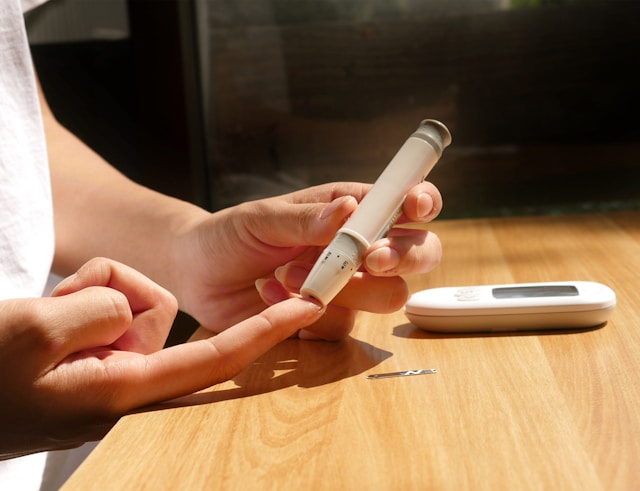
For the nearly nine million people worldwide living with Type 1 diabetes, managing blood sugar is a full-time responsibility. Every meal, workout, illness, or stressful day can affect glucose levels, making careful planning and constant monitoring part of everyday life.
Advances like continuous glucose monitors (CGMs) and insulin pumps have transformed diabetes care over the past decade. These technologies help people make better treatment decisions and reduce dangerous swings in blood sugar. Yet they still require frequent attention, regular sensor changes, insulin refills, and ongoing calculations.
Now, researchers at the Massachusetts Institute of Technology (MIT) have developed an innovative approach that could one day change diabetes treatment altogether. Instead of relying on external devices to monitor glucose and deliver insulin, they have created a tiny bioengineered “living pancreas” designed to perform these tasks naturally—much like a healthy pancreas does.
Although the technology is still in the experimental stage, scientists believe it represents an important step toward restoring the body’s own ability to regulate blood sugar.
Why Type 1 Diabetes Is So Challenging
Type 1 diabetes is an autoimmune disease. Instead of protecting the body, the immune system mistakenly attacks the insulin-producing beta cells located in clusters called pancreatic islets.
Without these cells, the pancreas can no longer produce insulin—the hormone that allows glucose to move from the bloodstream into the body’s cells for energy.
As a result, people with Type 1 diabetes must replace insulin for the rest of their lives.
Maintaining healthy glucose levels is a delicate balance. Too little insulin allows blood sugar to rise, increasing the risk of long-term complications affecting the heart, kidneys, eyes, and nerves. Too much insulin can cause hypoglycemia, a dangerous drop in blood sugar that may lead to confusion, seizures, or loss of consciousness.
Even with today’s advanced technology, achieving near-normal glucose control remains difficult.
How the Living Mini Pancreas Works
The new device developed by MIT researchers combines living insulin-producing cells with advanced biomaterial engineering.
At its core are healthy pancreatic islet cells—the same specialized cells that naturally release insulin in response to rising blood sugar.
The challenge has always been protecting these cells from the immune system.
Previous attempts at transplanting pancreatic islet cells often required lifelong immunosuppressive medications because the body’s immune defenses quickly recognized the transplanted cells as foreign and destroyed them.
The MIT team addressed this problem by placing the cells inside a specially designed protective capsule.
This tiny housing acts like a biological shield.
The membrane allows oxygen, nutrients, and glucose to pass freely into the device so the cells can survive and monitor blood sugar levels. At the same time, it blocks many of the immune cells that would normally attack the transplanted tissue.
When blood glucose rises after eating, the encapsulated beta cells detect the change and naturally release insulin. As glucose levels return to normal, insulin secretion decreases—just as it would in a healthy pancreas.
Rather than relying on computer algorithms or manual insulin calculations, the living cells perform this regulation automatically.
What Makes This Different From Current Technology?
Today’s most advanced diabetes systems already combine glucose sensors with automated insulin pumps, often referred to as hybrid closed-loop systems or “artificial pancreas” devices.
These systems have dramatically improved diabetes management, but they remain mechanical.
People still need to wear sensors and infusion sets, replace equipment regularly, refill insulin reservoirs, charge batteries, and respond to alerts.
The experimental living pancreas takes a fundamentally different approach.
Instead of delivering insulin through electronics, it restores living cells that respond directly to changing glucose levels.
Because the beta cells naturally sense blood sugar and release insulin almost instantly, they may provide a more physiologic response than injected insulin alone.
Researchers hope this biological approach could reduce both high and low blood sugar episodes while decreasing the daily burden of diabetes management.
Early Results Are Encouraging
In preclinical studies involving diabetic laboratory animals, the implanted device successfully maintained healthy blood glucose levels for extended periods without the need for regular insulin injections.
The encapsulated cells remained functional while being protected from immune attack.
Although these findings are encouraging, researchers emphasize that results in animals do not always translate directly to humans.
Much more testing is needed before the technology can be considered for routine clinical use.
The Challenges Still Ahead
Several important hurdles remain before the living pancreas can become a treatment option for patients.
Keeping the Cells Alive
Insulin-producing cells require a continuous supply of oxygen and nutrients.
Scientists are working to ensure that enough blood vessels develop around the implant to nourish the cells without allowing immune cells to penetrate the protective barrier.
Producing Enough Healthy Cells
Treating large numbers of patients will require a reliable source of insulin-producing beta cells.
Many researchers are exploring stem-cell technology as a way to produce these specialized cells on a large scale.
Long-Term Safety
The device must demonstrate that it can function safely and consistently for years.
Researchers also need to determine whether the implant can be easily replaced if its performance gradually declines over time.
Only after extensive safety testing and successful human clinical trials could regulatory approval become possible.
What This Could Mean for People Living With Diabetes
Although this technology is still under development, it reflects a broader trend in medicine.
Instead of simply replacing what the body has lost with medications or mechanical devices, researchers are increasingly focusing on restoring normal biological function.
For people with Type 1 diabetes, that could eventually mean fewer injections, fewer glucose fluctuations, and less of the constant mental effort required to manage the disease.
Families caring for children with diabetes could also benefit from greater peace of mind, knowing that blood sugar regulation may one day happen more naturally.
Looking Toward the Future
Scientists caution that this is not yet a cure for Type 1 diabetes.
Human clinical trials will be needed to confirm whether the device is safe, durable, and effective over the long term.
Still, the research highlights how rapidly regenerative medicine and bioengineering are advancing.
By combining living cells with innovative protective materials, researchers are moving closer to therapies that work with the body’s own biology rather than replacing it.
For millions of people living with Type 1 diabetes, that represents more than just a scientific milestone—it offers hope that future treatment may become simpler, more natural, and far less burdensome than it is today.
Source: Massachusetts Institute of Technology (MIT). Bioengineering research on encapsulated pancreatic islet cell technology for Type 1 diabetes treatment.
Photo by isens usa on Unsplash