

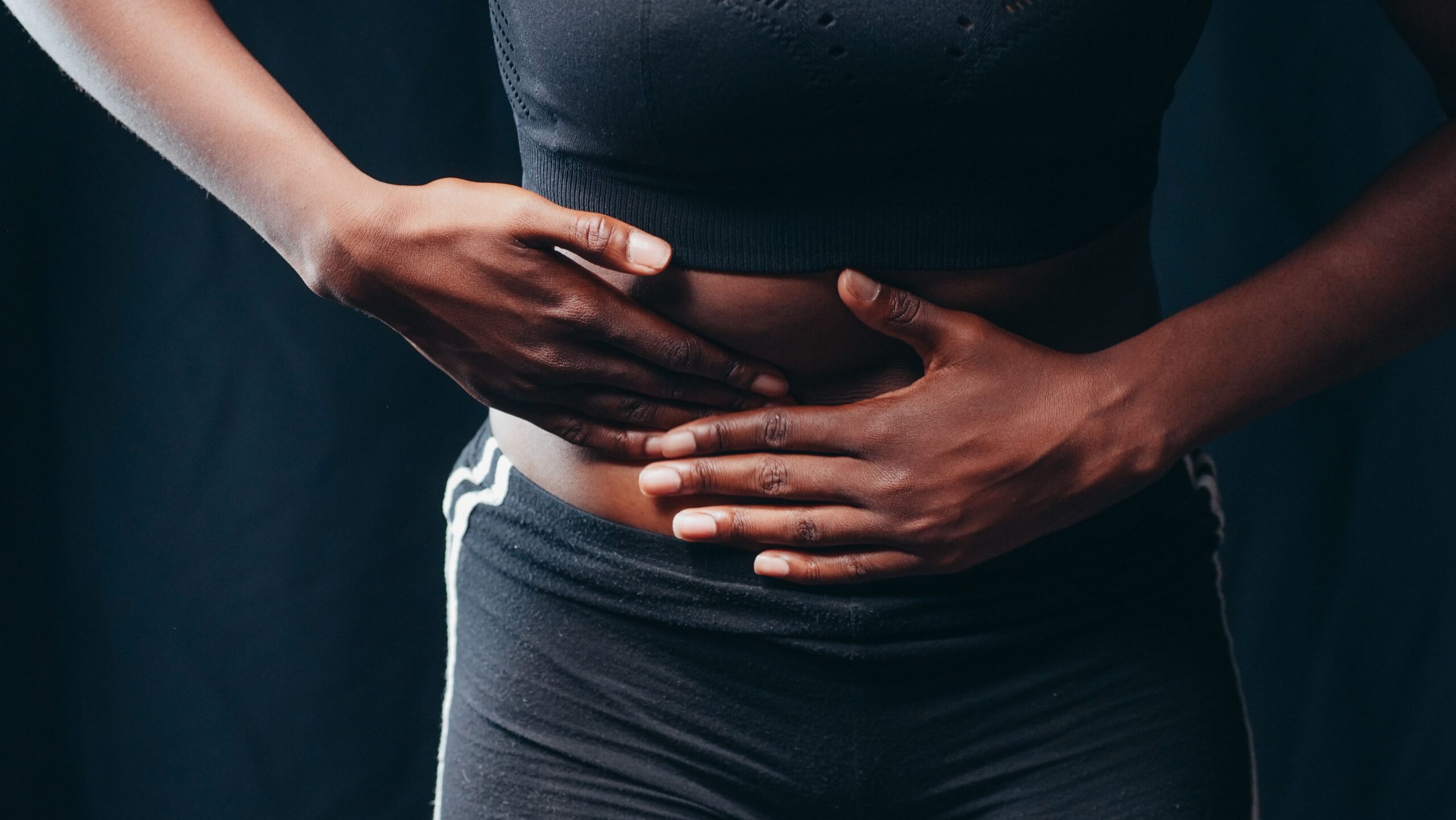
That uneasy feeling in your stomach before an exam. The sudden loss of appetite during a stressful week. The familiar “butterflies” before an important event.
We often describe these experiences as being “all in the gut.”
In reality, there is nothing imaginary about them.
Your digestive system and brain are in constant communication through a complex network of nerves, hormones, immune signals and chemical messengers. Scientists call this system the gut-brain axis, and growing research suggests that the trillions of microorganisms living in the digestive tract may be an important part of the conversation.
The discovery is changing how researchers think about conditions ranging from irritable bowel syndrome to stress and mood disorders.
But there is an important distinction between what scientists know and what social media often claims.
Your gut microbiome is important.
It is not, however, a simple “second brain” capable of controlling your emotions by itself.
The Highway Between Your Gut and Brain
One of the major communication routes is the vagus nerve.
This long nerve connects the brainstem with organs throughout the body, including parts of the digestive system. It carries information in both directions, allowing the brain to respond to changes in the gut while allowing signals from the digestive tract to reach the brain.
The communication doesn’t stop there.
Hormones, immune molecules and metabolic products generated in the digestive system can also influence signaling throughout the body.
This helps explain why stress can affect digestion so quickly.
When the brain perceives stress, the body’s stress-response systems can change intestinal movement, secretion and sensitivity. Some people develop diarrhea or abdominal discomfort. Others experience constipation, nausea or a reduced appetite.
The relationship also works in reverse.
Pain, inflammation or persistent digestive symptoms can influence how a person feels psychologically.
It is less like a one-way telephone call and more like an ongoing conversation.
Meet the Microbiome
Inside the digestive tract lives a vast community of bacteria and other microorganisms collectively known as the gut microbiome.
These organisms help break down components of food that our own digestive enzymes cannot completely process. In doing so, they produce compounds that can interact with intestinal cells, immune pathways and other biological systems.
One important group is short-chain fatty acids, including acetate, propionate and butyrate.
These compounds are produced when certain gut microbes ferment dietary fiber. They play important roles in maintaining the intestinal environment and communicating with cells throughout the body.
Researchers are investigating whether these microbial metabolites may also influence processes relevant to brain function.
But the science is complicated.
There is no single “good bacteria” that guarantees good mental health, and scientists have not identified one ideal microbiome that everyone should have.
The microbial community differs naturally from person to person.
Why Stress Can Feel So Physical
Anyone who has experienced prolonged stress may already understand the gut-brain connection intuitively.
During stress, the body activates systems designed to help us respond to perceived threats. Hormones such as cortisol and adrenaline influence heart rate, energy use and many other functions.
The digestive system is affected too.
Changes in intestinal movement can cause stomach discomfort, urgency or constipation. Stress can also affect how strongly the brain perceives sensations coming from the digestive tract.
This is particularly relevant to irritable bowel syndrome (IBS).
IBS is a common disorder involving symptoms such as abdominal pain and changes in bowel habits. Researchers increasingly recognize that altered communication between the gut and brain can contribute to symptoms.
That doesn’t mean IBS is “just anxiety.”
The symptoms are real, and multiple biological mechanisms can be involved.
It means that the nervous system and digestive system can influence one another in ways that are clinically important.
Can Gut Bacteria Change Your Mood?
This is where the research becomes particularly interesting—and where headlines can become misleading.
Scientists have observed associations between differences in gut microbiomes and several health conditions, including some mental health disorders.
Animal experiments have also produced intriguing findings suggesting that changing the microbiome can influence behavior.
But translating those results to humans is difficult.
Researchers are investigating probiotics, prebiotics, fermented foods and dietary patterns as possible ways to influence the gut microbiome and, potentially, aspects of mental well-being.
Some clinical studies have reported modest improvements in psychological symptoms with particular interventions. Other studies have produced mixed or inconclusive results.
There is currently no universally accepted probiotic treatment for depression, anxiety or other mental health conditions.
That is why terms such as “psychobiotics” should be viewed as an emerging research area rather than an established cure.
What You Eat Still Matters
Although scientists haven’t discovered a perfect microbiome diet, there is a practical lesson emerging from the research: dietary variety matters.
Many beneficial gut microorganisms thrive on different types of dietary fiber.
Vegetables, fruits, beans, lentils, whole grains, nuts and seeds can provide the diverse fibers that support microbial activity.
Fermented foods such as plain yogurt, kefir, kimchi and other traditionally fermented foods may also contribute beneficial microorganisms or microbial products to the diet, depending on the food and how it is produced.
The goal isn’t to create a “perfect” gut.
It is to consistently provide your body with a varied, nutrient-rich diet.
Sleep and Stress Belong in the Conversation
Food is only part of the story.
Sleep, physical activity and psychological stress can all interact with digestive health.
Poor sleep can affect appetite regulation and metabolic health. Physical activity is associated with changes in the gut microbiome and can support overall digestive function.
Stress management matters too.
Simple practices such as regular physical activity, relaxation exercises, time outdoors and maintaining a consistent sleep schedule can help regulate the body’s stress response.
These aren’t miracle microbiome treatments.
They are ordinary health habits that support multiple systems simultaneously.
Don’t Blame Every Problem on Your Gut
The growing interest in the microbiome has created a temptation to explain almost every health problem through gut bacteria.
That’s a mistake.
Digestive symptoms can have many causes. Persistent abdominal pain, unexplained weight changes, blood in the stool, ongoing diarrhea or constipation, or other concerning symptoms deserve evaluation by a healthcare professional.
Likewise, significant anxiety, depression or changes in mood should not be treated simply by changing the microbiome.
Nutrition can support health, but it should not replace appropriate medical or mental-health care.
The Conversation Is Only Beginning
The gut-brain axis represents one of the most fascinating areas of modern health research because it challenges the idea that our organs operate independently.
The brain affects the gut.
The gut sends information back to the brain.
And the microbiome participates in this enormous biological network.
Scientists are still working to determine exactly which microbial changes matter, which interventions actually help people, and whether personalized microbiome treatments can eventually become part of mainstream medicine.
For now, the most useful message is surprisingly simple.
Your gut is not separate from the rest of you.
Eating a varied diet, staying active, sleeping well and managing stress can support both digestive and overall health. And as researchers continue to decode the messages traveling between our intestines and our brains, that familiar feeling of having “a lot on your stomach” may turn out to have much deeper biology behind it than we ever imagined.
Photo by Kindel Media: https://www.pexels.com/photo/person-wearing-black-active-wear-holding-her-tummy-7298905/