

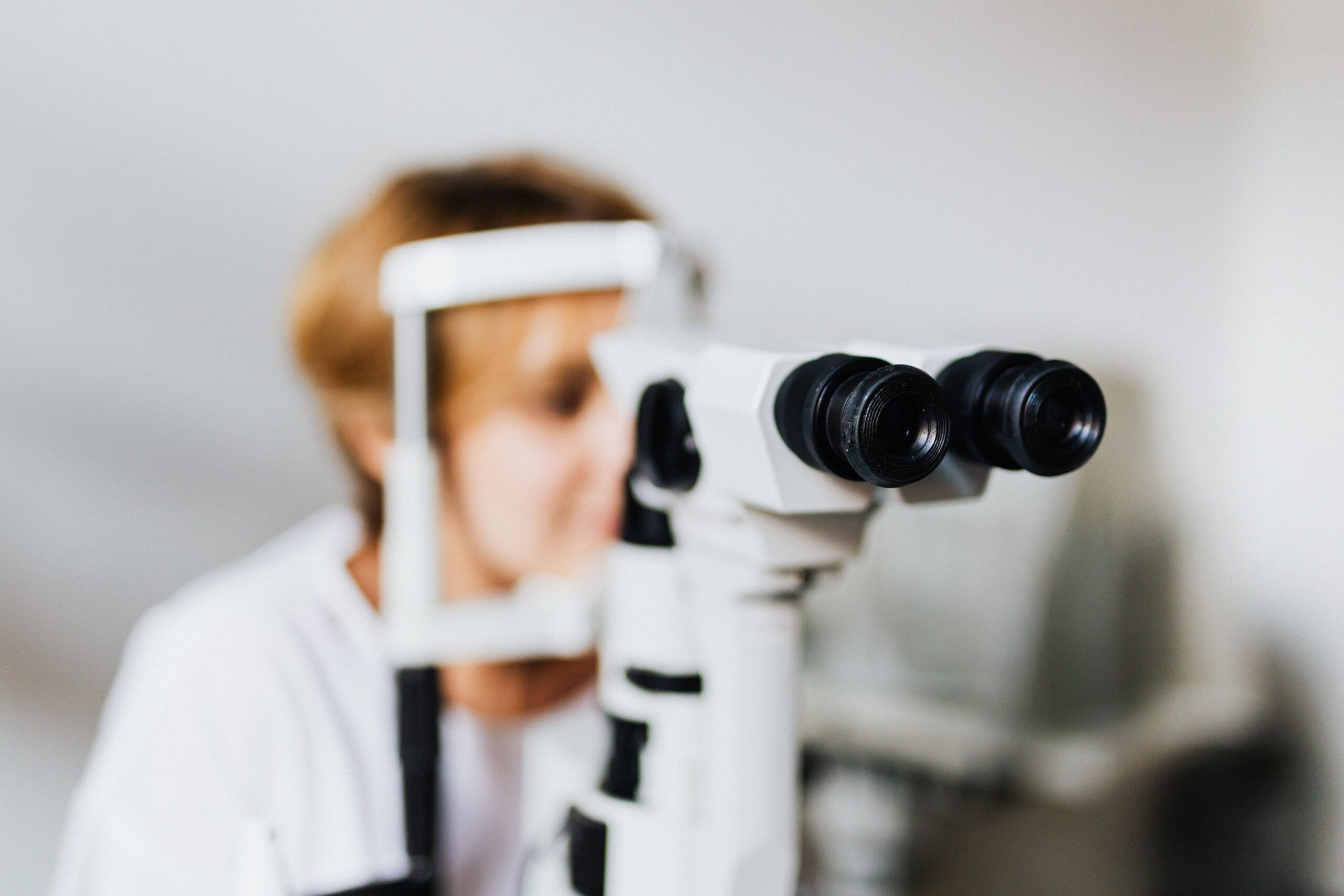
What if a routine eye examination could reveal clues about your brain health long before memory problems become noticeable?
It sounds surprising, but researchers are exploring exactly that possibility. Advances in artificial intelligence (AI) are helping scientists study tiny changes in the retina, the light-sensitive tissue at the back of the eye, to understand whether these changes could help identify people at increased risk of Alzheimer’s disease.
The idea is attracting attention because Alzheimer’s often develops silently for years before a person or their family notices changes in memory, thinking, or everyday behaviour.
Although an ordinary eye photograph cannot currently diagnose Alzheimer’s, this emerging research could eventually offer another way to assess brain health earlier in life.
Why Your Eyes May Reveal Clues About Brain Health
The eyes do more than help us see. The retina contains nerve cells and blood vessels that share important biological connections with the brain.
Because the retina is part of the central nervous system, researchers believe changes in its structure and circulation may sometimes reflect processes occurring elsewhere in the body, including the brain.
This connection is particularly interesting in Alzheimer’s research. Scientists are investigating whether subtle differences in retinal blood vessels or nerve layers could be associated with neurodegeneration and future cognitive decline.
Unlike many brain investigations, retinal imaging is relatively quick and non-invasive. A specialised camera can capture detailed images of the back of the eye without surgery or injections.
The challenge is determining which changes are genuinely linked to Alzheimer’s and which may be explained by ageing, diabetes, high blood pressure, or existing eye conditions.
How Artificial Intelligence Could Help Detect Early Changes
During a traditional eye examination, an eye care professional looks for signs of conditions such as glaucoma, diabetic retinopathy and age-related macular degeneration.
AI systems approach these images differently. They can analyse thousands of small visual features, including blood vessel patterns, branching structures and the thickness of particular retinal layers.
Some of these differences may be too subtle to identify consistently through routine visual inspection.
Researchers are training deep-learning models to compare retinal photographs with health records and cognitive outcomes. The aim is to discover patterns that may help distinguish people at higher risk of developing neurological conditions.
Some emerging research has explored whether retinal features could indicate Alzheimer’s risk years before symptoms become apparent. However, the timing and accuracy of these predictions vary by study, and the approach still needs further clinical validation.
For now, AI retinal analysis should be understood as a promising research tool, not a proven early-warning test available for everyone.
Why Early Detection of Alzheimer’s Matters
One of the biggest challenges with Alzheimer’s disease is that biological changes can begin long before noticeable symptoms develop.
At first, a person may continue working, managing household responsibilities and enjoying familiar activities without obvious difficulties. Later, they might struggle more frequently with recent memories, planning or finding the right words.
Early assessment can help people understand their symptoms, investigate other possible causes and discuss appropriate care with their healthcare professionals.
An accessible screening method could also help researchers identify suitable participants for clinical studies and investigate interventions earlier in the disease process.
However, identifying someone as potentially at risk is not the same as confirming that they have Alzheimer’s. A screening result must be interpreted alongside medical history, cognitive assessment and, where appropriate, established diagnostic tests.
Can an Eye Scan Replace Other Alzheimer’s Tests?
Not at present.
Doctors may use cognitive assessments, neurological examinations, laboratory tests and brain imaging when investigating memory problems. In selected cases, specialised blood tests or cerebrospinal fluid tests can help identify biological markers associated with Alzheimer’s disease.
Retinal photography may eventually complement these approaches, particularly because it is relatively convenient and widely available.
But several questions remain unanswered. Researchers need to establish how accurately these AI models perform in different populations, whether results remain reliable in people with other eye conditions, and whether identifying risk earlier actually improves health outcomes.
A test that produces a risk score must also avoid unnecessary anxiety or falsely reassuring people whose results appear normal.
Until these issues are resolved, a routine eye photograph should not be treated as a substitute for a proper medical evaluation.
What Can You Do Today to Support Brain Health?
You do not need to wait for new technology to take practical steps towards healthier ageing.
Keep your blood pressure under control. High blood pressure can damage blood vessels throughout the body, including those supplying the brain. Regular monitoring and appropriate treatment are important.
Manage diabetes and cholesterol. Healthy blood sugar and cholesterol levels support cardiovascular health, which is closely connected to long-term brain health.
Stay physically active. Walking, swimming, cycling or other activities suited to your abilities can support circulation, sleep and overall well-being.
Prioritise sleep and social connection. Consistent sleep habits and regular contact with friends, family or community groups can support healthy ageing and quality of life.
Eat a balanced diet. Vegetables, fruits, whole grains, beans, nuts and other nutrient-rich foods can contribute to cardiovascular and metabolic health.
Do not ignore persistent memory changes. Occasional forgetfulness does not automatically mean Alzheimer’s disease. However, repeated problems that interfere with daily activities deserve medical attention.
Routine eye examinations remain worthwhile, even when your vision seems fine. They can detect several eye conditions early, although their role in predicting Alzheimer’s is still being investigated.
The Future of Eye Imaging and Alzheimer’s Research
The possibility that a simple eye photograph could eventually contribute to earlier Alzheimer’s risk assessment is encouraging.
It brings together two important developments in modern medicine: the growing understanding of the connection between eye and brain health, and the ability of AI to recognise patterns in medical images.
There is still a considerable distance between promising research and a dependable clinical test. Nevertheless, the field offers a compelling reason to keep studying the retina as a potential source of information about neurological health.
For now, the most sensible approach is to stay informed, maintain regular medical check-ups and seek advice if memory changes become concerning.
An eye photograph cannot yet tell you whether you will develop Alzheimer’s. But research into retinal imaging may one day give doctors another useful piece of the puzzle—and help them understand brain health earlier than ever before.
Photo by https://kaboompics.com/: https://www.pexels.com/photo/a-person-having-an-eye-examination-5201872/