

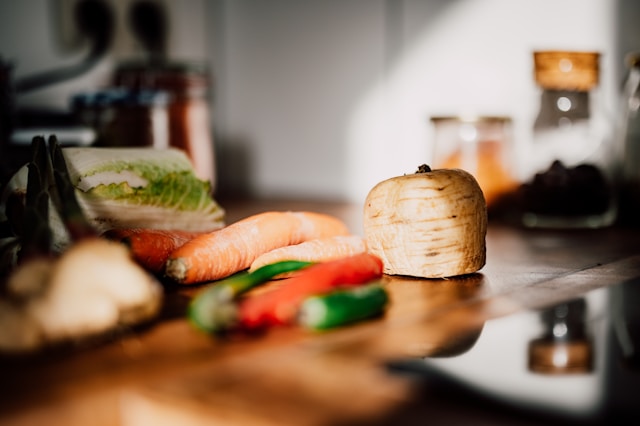
Fresh fruits and vegetables are an important part of a healthy diet, but recent Cyclospora outbreaks across the United States have reminded us that even nutritious foods can occasionally carry hidden risks. Public health officials are investigating thousands of reported cases of cyclosporiasis, an intestinal illness caused by the microscopic parasite Cyclospora cayetanensis. Several outbreaks have been linked to contaminated fresh produce, including leafy greens, herbs, and imported vegetables.
While the headlines can be concerning, understanding how this parasite behaves can help you make informed choices without unnecessary fear.
What Is Cyclospora?
Cyclospora is a tiny single-celled parasite that infects the small intestine and causes prolonged digestive illness. Unlike many common foodborne infections, it has a unique life cycle that makes outbreaks difficult to trace.
One important fact sets Cyclospora apart: it does not spread directly from person to person. When an infected individual passes the parasite, it is not immediately capable of infecting someone else. Instead, it must spend several days—or even weeks—in the environment before it matures and becomes infectious.
Because of this, contamination usually occurs before food reaches your kitchen, often during growing or harvesting when produce comes into contact with contaminated irrigation water or soil.
Why Fresh Produce Is Often Involved
Cyclospora is most commonly associated with foods that are eaten raw. Leafy greens, fresh herbs, berries, and salad vegetables can become contaminated if exposed to unsafe water sources during production.
One challenge for investigators is that symptoms often do not appear until 2 to 14 days after exposure, making it difficult for people to remember exactly what they ate. By the time an outbreak is identified, the contaminated food has often already been consumed or removed from store shelves.
This delay is one reason Cyclospora outbreaks can take weeks to fully investigate.
Recognizing the Symptoms
Cyclospora mainly affects the digestive system, and symptoms can range from mild to severe.
Common signs include:
- Frequent watery diarrhea
- Stomach cramps and bloating
- Loss of appetite
- Nausea
- Fatigue
- Mild fever
- Unexplained weight loss after several days of illness
One of the hallmarks of Cyclospora infection is that symptoms may come and go. Some people feel better for a few days, only for diarrhea and stomach pain to return again.
Without appropriate treatment, illness can last several weeks and may lead to dehydration, particularly in young children, older adults, and people with weakened immune systems.
Getting the Right Diagnosis
Because Cyclospora is relatively uncommon, it is not always included in routine laboratory stool testing.
If you’ve experienced prolonged diarrhea after eating fresh produce—especially during a known outbreak—it’s important to tell your healthcare provider about your symptoms and possible exposure. Specialized laboratory testing may be needed to identify the parasite.
Fortunately, Cyclospora is treatable. Doctors typically prescribe the antibiotic trimethoprim-sulfamethoxazole, which is considered the standard treatment for most patients.
Can Washing Produce Prevent Infection?
Washing fruits and vegetables under running water is always a good food safety practice, but it may not completely remove Cyclospora.
The parasite’s microscopic outer shell allows it to cling tightly to the surface of produce, making it difficult to wash away completely. Commercial produce washes have also not been shown to reliably eliminate the organism.
Cooking, however, is highly effective. Heating food thoroughly destroys the parasite, making cooked vegetables a safer option during active outbreaks.
Simple Steps to Reduce Your Risk
Although it’s impossible to eliminate every foodborne risk, a few practical habits can lower your chances of infection:
- Stay informed about FDA and CDC food recalls involving fresh produce.
- Wash fruits and vegetables under clean running water before preparing them.
- Consider cooking leafy greens or vegetables when outbreaks are ongoing.
- Wash cutting boards, knives, and countertops after handling raw produce to reduce cross-contamination.
- Seek medical care if diarrhea lasts more than a few days or returns after briefly improving.
Cyclospora outbreaks highlight the importance of strong food safety practices from the farm all the way to our kitchens. While the parasite can cause prolonged illness, it is not spread through casual contact, and most people recover fully with prompt diagnosis and appropriate treatment.
Fresh produce remains one of the healthiest parts of a balanced diet, so there is no need to avoid fruits and vegetables altogether. Instead, stay informed about recalls, practice good kitchen hygiene, and seek medical advice if persistent digestive symptoms develop.