

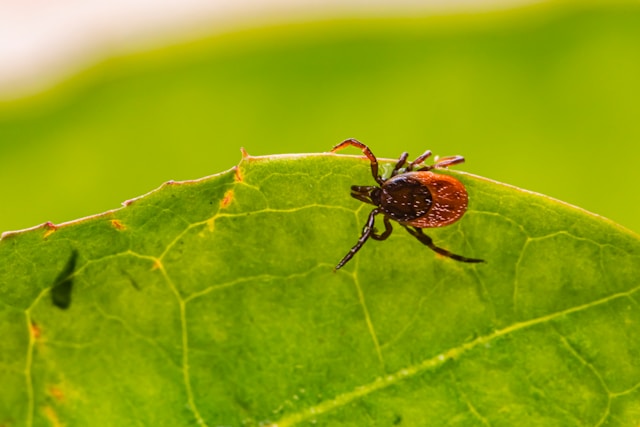
For many people, a summer hike or an afternoon spent gardening ends with nothing more than a few mosquito bites. But for a growing number of Americans, one tiny tick bite can have life-changing consequences. Imagine enjoying a burger for dinner, feeling perfectly normal, and then waking up in the middle of the night covered in hives, battling severe stomach pain, or struggling to breathe.
This unusual condition is known as Alpha-gal syndrome (AGS), a food allergy unlike any other. Instead of reacting to peanuts, shellfish, or eggs, people with AGS develop an allergy to red meat and other products made from mammals. Although once considered rare, health experts are seeing more cases each year as the range of certain ticks continues to expand.
How Does a Tick Bite Cause a Meat Allergy?
Alpha-gal syndrome begins with the bite of the lone star tick, a species commonly found across the southern, eastern, and increasingly the central United States. Female lone star ticks are easy to recognize by the distinctive white dot on their backs.
When these ticks feed on mammals such as deer or cattle, they pick up a sugar molecule called galactose-α-1,3-galactose, commonly shortened to alpha-gal. During a later bite, the tick can introduce this molecule into a person’s bloodstream.
For reasons scientists are still investigating, some people’s immune systems respond by producing IgE antibodies against alpha-gal. From that point forward, eating foods that naturally contain the same sugar—such as beef, pork, lamb, or venison—can trigger an allergic reaction.
Unlike most food allergies, which react to proteins, AGS is one of the few known allergies caused by a carbohydrate.
Why the Symptoms Often Go Unrecognized
One of the biggest challenges with Alpha-gal syndrome is that reactions don’t happen immediately.
Most food allergies appear within minutes after eating. With AGS, symptoms usually develop three to six hours later, often while a person is asleep. Because of this delay, many people never suspect that dinner was the cause of their illness.
Doctors say this delayed response is one of the main reasons the condition is frequently overlooked or mistaken for food poisoning, stomach flu, or unexplained allergic reactions.
Symptoms to Watch For
Symptoms can range from mild to severe and may differ from one episode to another. Common signs include:
- Itchy hives or widespread skin rash
- Swelling of the lips, tongue, throat, or face
- Severe stomach cramps
- Nausea, vomiting, or diarrhea
- Dizziness or fainting caused by low blood pressure
- Difficulty breathing
- Anaphylaxis, a life-threatening allergic reaction that requires immediate emergency treatment
Anyone experiencing trouble breathing, throat swelling, or signs of anaphylaxis should seek emergency medical care immediately.
Foods That May Trigger Alpha-Gal Syndrome
People diagnosed with AGS are usually advised to avoid foods and products derived from mammals.
| Avoid | Usually Safe |
|---|---|
| Beef | Chicken |
| Pork | Turkey |
| Lamb | Fish |
| Venison | Shellfish |
| Goat | Eggs |
| Some dairy products (for certain individuals) | Plant-based milk alternatives |
| Gelatin from mammalian sources | Plant-based or synthetic alternatives |
Not everyone with AGS reacts to dairy or gelatin, but an allergist can help determine individual triggers.
How Is Alpha-Gal Syndrome Diagnosed?
Because the symptoms often appear hours after eating, diagnosis begins with a careful medical history. Healthcare providers will ask about recent tick bites, outdoor activities, and delayed allergic reactions after eating red meat.
A blood test that measures IgE antibodies against alpha-gal is the primary tool used to confirm the diagnosis. In some cases, patients may be referred to an allergy specialist for additional evaluation and long-term management.
Can It Be Treated?
Currently, there is no cure for Alpha-gal syndrome. The most effective treatment is avoiding foods that trigger reactions.
For people at risk of severe allergic episodes, doctors may prescribe an epinephrine auto-injector (EpiPen) to carry at all times. Antihistamines may help relieve mild symptoms, but they should never replace emergency treatment for anaphylaxis.
Interestingly, some people experience fewer reactions over time if they successfully avoid additional tick bites, although recovery varies from person to person.
Preventing Tick Bites Is the Best Protection
Since there is no vaccine to prevent Alpha-gal syndrome, avoiding tick bites remains the best defense.
Health experts recommend:
- Use EPA-approved insect repellents containing DEET, picaridin, or oil of lemon eucalyptus when spending time outdoors.
- Treat clothing, boots, and camping gear with 0.5% permethrin.
- Wear long sleeves and long pants in wooded or grassy areas.
- Perform thorough tick checks after outdoor activities, paying close attention to the scalp, behind the knees, under the arms, and around the waist.
- Shower within two hours of coming indoors to help remove unattached ticks.
- Remove attached ticks promptly using fine-tipped tweezers.
A Growing Public Health Concern
Researchers believe Alpha-gal syndrome is becoming more common as tick populations expand into new regions due to changing environmental conditions and increasing human contact with tick habitats. While not everyone bitten by a lone star tick develops the allergy, awareness is becoming increasingly important for both healthcare providers and the public.
If you have experienced unexplained allergic reactions several hours after eating red meat—especially following a known tick bite—don’t ignore the symptoms. Speaking with your healthcare provider and getting tested could help prevent future reactions and protect your health.
Photo by Erik Karits on Unsplash