

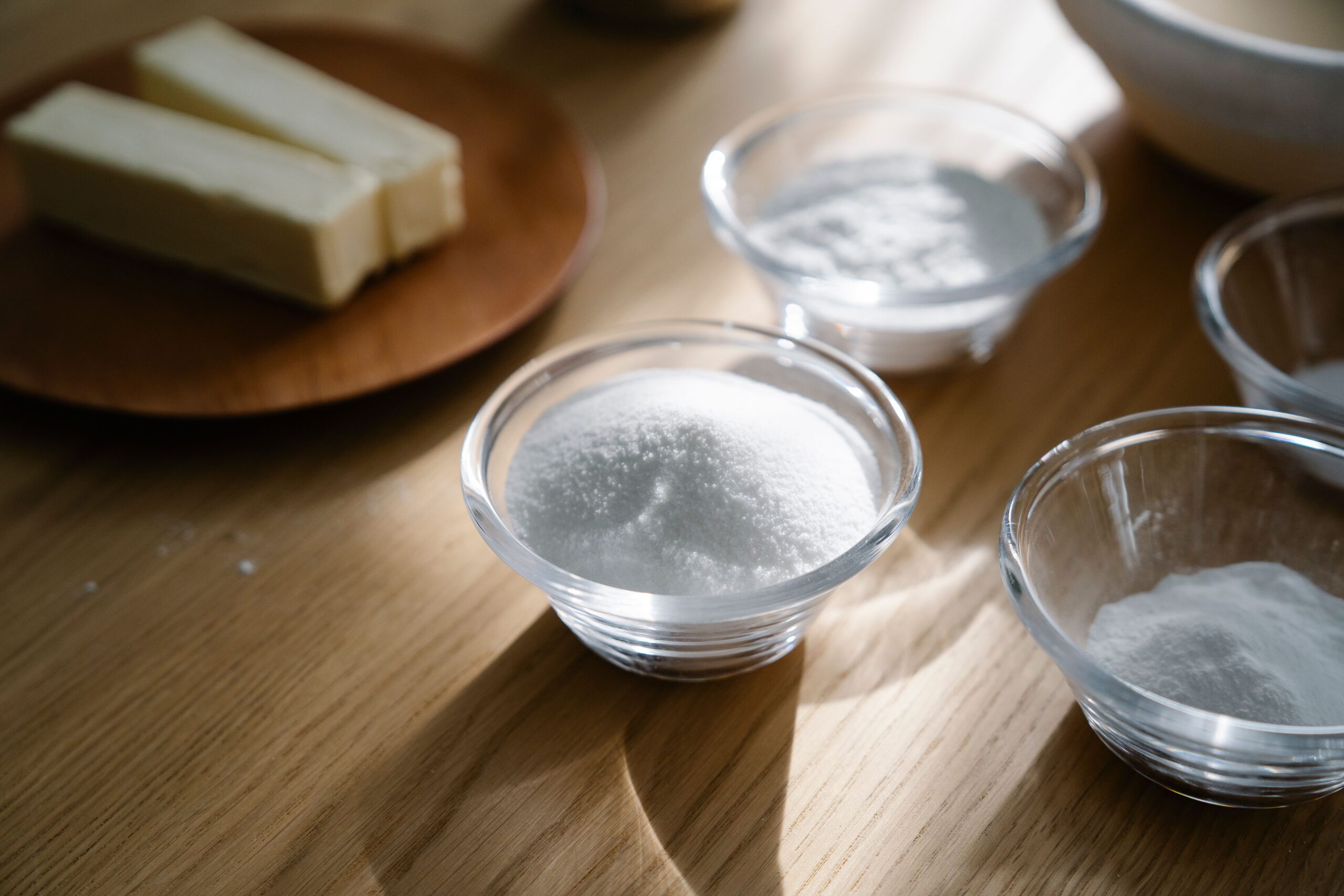
For people trying to cut back on sugar, erythritol can seem like an easy solution. It provides sweetness with very few calories and has become common in sugar-free chocolates, protein products, drinks, baked foods and low-carbohydrate products.
For older adults, this can be particularly appealing when managing blood sugar, weight or cardiovascular health.
But a growing research debate is making scientists look more closely at what happens after erythritol enters the bloodstream.
Recent laboratory research has raised questions about how erythritol may affect cells lining small blood vessels in the brain. The findings are interesting—but they should not be interpreted as proof that eating erythritol causes strokes or damages the brain in humans.
That distinction matters.
Why Are Scientists Looking at Erythritol and the Brain?
The concern begins with the blood-brain barrier
The brain has its own protective filtering system known as the blood-brain barrier. It is formed partly by specialized cells lining tiny blood vessels and helps control which substances can move from the bloodstream into brain tissue.
Researchers are interested in these cells because healthy blood-vessel function is essential for maintaining adequate circulation to the brain.
Laboratory experiments examining erythritol exposure have reported signs of cellular stress, including changes associated with oxidative stress and endothelial function.
These observations provide a possible biological pathway worth investigating. They do not, however, establish what happens in every person consuming an erythritol-containing food.
The Stroke Connection Is More Complicated Than Headlines Suggest
Blood-vessel research has raised questions, not delivered a final verdict
Erythritol attracted wider scientific attention after observational research found an association between higher circulating levels of the compound and increased cardiovascular risk.
Researchers have also investigated whether erythritol could influence platelet activity, which plays a role in blood clotting.
But there is an important problem with interpreting these findings: a high blood level of erythritol does not necessarily mean a person consumed large amounts of erythritol.
The body can produce erythritol naturally, and higher levels may also be associated with metabolic problems. This makes it difficult for observational studies to determine whether erythritol itself is responsible for increased cardiovascular risk.
For now, researchers are trying to separate cause from correlation.
Why This Matters More as We Get Older
Older adults often have more reasons to pay attention to cardiovascular health
As we age, protecting the heart and brain becomes increasingly important. High blood pressure, diabetes, high cholesterol, smoking, physical inactivity and other established cardiovascular risk factors can all contribute to stroke risk.
That means replacing sugar with a sweetener should not become the centre of a healthy-aging strategy.
A far more meaningful approach is to look at the entire dietary pattern.
A breakfast of minimally processed foods, plenty of vegetables and fruit, adequate protein, whole grains and healthy fats is generally more important than whether a single ingredient in a sugar-free product is present.
For someone with diabetes, reducing added sugar may still be useful. But replacing sugary foods with heavily processed “sugar-free” products is not automatically the same thing as improving overall nutrition.
Should You Stop Using Erythritol?
There is no need for panic—but moderation is reasonable
Current evidence does not justify telling healthy adults that erythritol is dangerous or that it directly causes stroke.
At the same time, people who consume large quantities of erythritol every day may reasonably choose to reduce their dependence on intensely sweetened processed foods while scientists continue studying its long-term effects.
A practical strategy is simple:
Check the label. Erythritol can appear in sugar-free sweets, protein bars, low-carb desserts and powdered drink mixes.
Look at the whole product. “Sugar-free” does not automatically mean nutritious. Check the fibre, protein, saturated fat, sodium and overall ingredient list.
Reduce excessive sweetness. Gradually choosing less-sweet foods can make it easier to rely on naturally sweet foods such as fruit.
Do not abandon necessary treatment. If you have diabetes, high blood pressure, high cholesterol or cardiovascular disease, dietary changes should complement—not replace—medical care.
The Bigger Lesson About “Healthy” Food Labels
Zero sugar does not always tell the whole nutritional story
The erythritol debate highlights a broader problem with modern nutrition.
Food packaging often encourages us to judge a product by one feature: zero sugar, low calorie, high protein or keto-friendly.
But human health is considerably more complicated.
A product can contain little or no sugar while still being highly processed. Conversely, a naturally sweet food such as fruit contains carbohydrates but also provides fibre, vitamins, minerals and other beneficial compounds.
For older adults especially, nutrition should focus on maintaining strength, supporting cardiovascular health, protecting bone health and getting enough essential nutrients—not simply eliminating one ingredient.
What We Know—and What We Still Don’t
Science is moving forward, but the answer is not settled
The latest laboratory findings are worth paying attention to because they give researchers clues about how erythritol might interact with vascular cells.
But laboratory experiments are only one stage of scientific investigation.
We still need larger, carefully controlled human studies to determine whether habitual erythritol consumption independently changes the risk of stroke, heart attack or other cardiovascular events.
Until that evidence is available, the sensible middle ground is neither fear nor blind reassurance.
If you enjoy an occasional erythritol-sweetened product, there is no scientific basis for assuming that it will cause a stroke. But if sugar-free products have become a major part of your daily diet, it may be worth stepping back and asking a more useful question:
Could your diet rely less on ultra-sweetened foods altogether?
That shift—toward simpler foods, balanced meals and fewer highly processed products—has a much stronger foundation in established nutrition science than chasing the promise of any single “healthy” sweetener.
Photo by Felicity Tai : https://www.pexels.com/photo/close-up-shot-of-baking-ingredients-on-wooden-surface-7965893/