

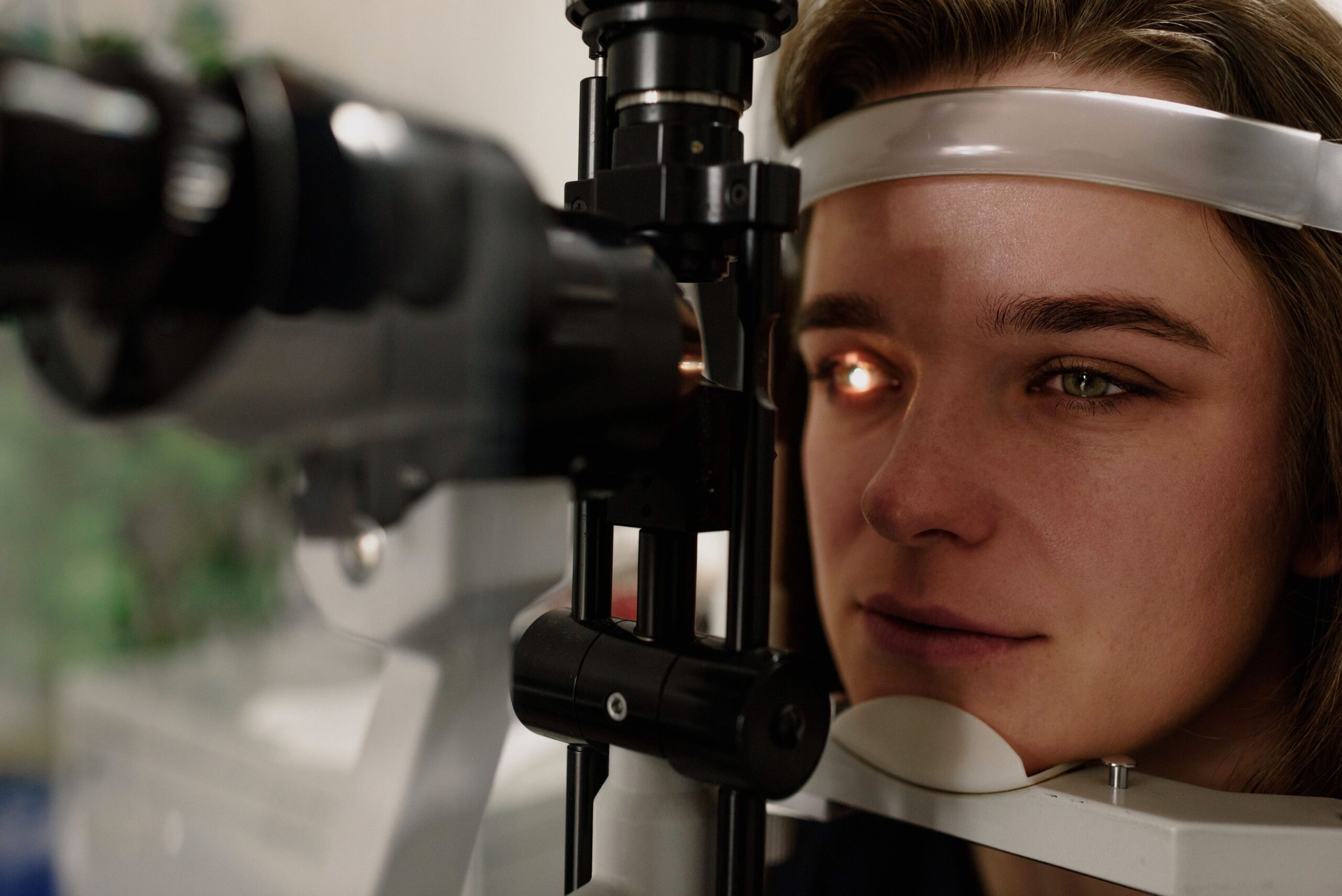
For anyone who has watched their eyesight become less reliable with age, the idea of repairing a damaged retina can sound almost too good to be true.
Age-related macular degeneration, glaucoma, diabetic retinopathy and inherited retinal diseases can gradually damage the cells responsible for vision. And unlike some tissues in the body, the adult mammalian retina has very limited ability to replace neurons once they are lost.
That is why a recent discovery has attracted so much attention.
Researchers have found that a type of support cell already living inside the retina—called a Müller glial cell—may have more regenerative potential than scientists once thought. The key may involve a protein called Prox1.
The findings do not mean that blindness can currently be reversed. But they point toward an entirely different strategy: instead of transplanting replacement cells into the eye, could scientists eventually persuade some of the eye’s own cells to make new retinal neurons?
The Cells That Could Hold a Secret
Müller glia are not normally thought of as neurons. They are support cells that help maintain the retina’s environment and keep retinal tissue functioning properly.
But scientists have known for years that Müller glia in animals such as zebrafish can respond to retinal injury in a remarkable way.
After damage, these cells can reprogram themselves, produce retinal progenitor cells and ultimately generate new retinal neurons.
Mammals are different.
In mice and humans, Müller glia respond to injury but generally do not launch the powerful regeneration program seen in zebrafish. Their response can instead contribute to changes known as reactive gliosis, which can become part of the retina’s response to injury.
So the big question has been: what prevents mammalian Müller glia from switching into repair mode?
Enter Prox1
A 2025 study published in Nature Communications identified Prox1 as an important part of that puzzle.
The researchers found that Prox1 accumulates in Müller glia in degenerating mouse retinas. They also found Prox1 in Müller glia from a human retina affected by retinitis pigmentosa, while it was not detected in the same way in the healthy donor retina examined.
Interestingly, the researchers concluded that much of the Prox1 found in injured mouse Müller glia came from neighboring retinal neurons through intercellular protein transfer.
That observation led to an intriguing possibility.
Perhaps Prox1 acts as a molecular brake, helping keep Müller glia from entering a regenerative state.
When researchers interfered with that process in injured mouse retinas, the Müller glia became more capable of reprogramming into retinal progenitor cells.
From Support Cells to New Retinal Cells
The most exciting part of the research came when the scientists tested whether blocking Prox1 could actually influence retinal regeneration.
In mouse experiments, an adeno-associated viral system was used to deliver an anti-Prox1 antibody that could sequester extracellular Prox1.
This increased the regenerative response of Müller glia after retinal injury.
The researchers observed newly generated retinal cells, including cells showing characteristics of photoreceptors and other retinal neurons. In a mouse model of retinitis pigmentosa, the treatment also delayed vision loss.
That is an important finding—but it needs to be put into perspective.
The mice were not cured of blindness.
In one model, visual improvement after treatment was not permanent and declined after several months. The researchers suggested that limitations in the viral construct’s ability to maintain expression contributed to the loss of effect.
That distinction matters enormously when translating laboratory discoveries into headlines about human health.
Why This Could Matter for Older Adults
For older adults living with retinal disease, the most important part of this research may not be an immediate treatment. It is the possibility that scientists are beginning to understand why the adult mammalian retina has such limited regenerative ability.
That could eventually open new approaches for diseases in which retinal neurons are progressively lost.
But retinal diseases are not all the same.
Glaucoma primarily damages retinal ganglion cells and the optic nerve. Age-related macular degeneration affects the macula and involves complex changes involving photoreceptors, retinal pigment epithelium and blood vessels. Diabetic retinopathy can damage retinal blood vessels and neural tissue. Inherited retinal diseases can involve specific genetic mutations.
A therapy that encourages Müller glia to produce new cells would therefore have to solve several problems at once.
New cells would need to become the right type of retinal neuron, appear in the correct location, connect appropriately with neighboring cells and ultimately communicate with the brain.
Simply creating new cells is not enough.
The Human Treatment Is Still a Long Way Off
This is where responsible optimism is important.
The Prox1 research provides strong evidence for a biological mechanism and demonstrates regeneration-related effects in mouse models. The researchers also examined human retinal tissue, which provides an important clue that the pathway may be relevant to human disease.
But human retinal tissue observations are not the same thing as a successful human treatment.
There is currently no approved Prox1-blocking therapy that patients can receive to regenerate a damaged retina.
Researchers still need to determine how safely the pathway can be manipulated, how precisely treatment can be delivered, how long the effects can last and whether newly generated cells can provide meaningful, durable vision in humans.
There is also an important safety question. Any therapy that encourages mature cells to change their identity or proliferate would need extremely careful control.
What Can You Do for Your Eyes Now?
While regenerative medicine develops, the best strategy remains protecting the vision you already have.
For older adults, regular comprehensive eye examinations can help detect problems before they cause obvious symptoms. Keeping conditions such as diabetes and high blood pressure well managed can also be important for retinal health.
People with sudden flashes, a sudden increase in floaters, a curtain-like shadow or an abrupt change in vision should seek urgent eye care.
And if you already have a retinal condition, established treatments should not be replaced with experimental supplements or unproven regenerative therapies.
A New Way of Thinking About Blindness
The most fascinating message from this research is not that scientists have already learned how to restore human sight.
They haven’t.
It is that the adult mammalian retina may possess more regenerative potential than previously appreciated.
Müller glia have traditionally been viewed largely as the retina’s support system. Research on Prox1 suggests they may also contain biological capabilities that scientists could potentially unlock.
For someone worried about losing vision with age, that is a reason for cautious hope—not a promise of a cure.
The next chapter will depend on whether researchers can turn this elegant laboratory discovery into something that is safe, durable and effective in people.
For now, the question remains remarkably simple:
What if some of the cells needed to repair a damaged retina are already there—and scientists are finally learning how to wake them up?
Photo by Ksenia Chernaya: https://www.pexels.com/photo/woman-sitting-at-slit-lamp-5752282/