

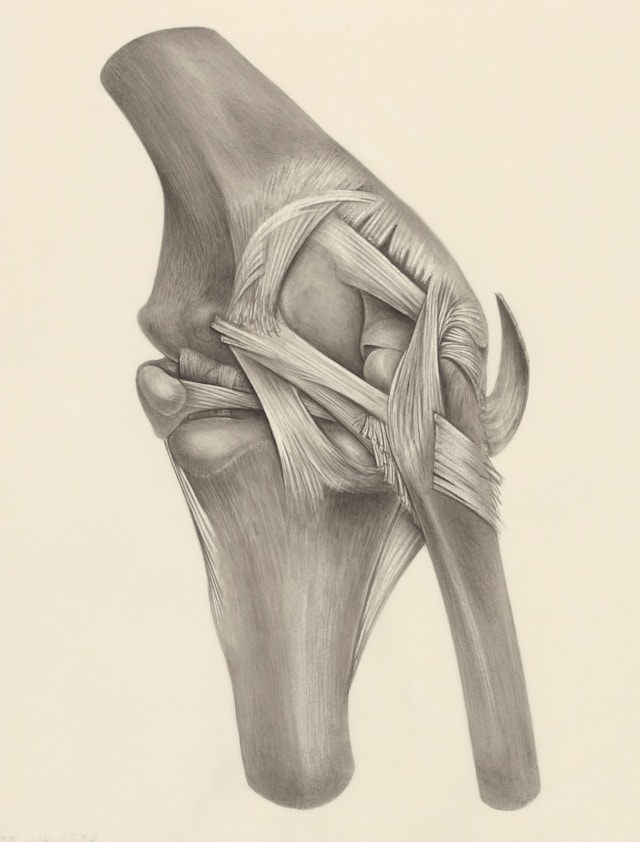
For millions of people living with osteoarthritis, joint pain often comes with a frustrating reality: once the protective cartilage inside a joint wears away, it has traditionally been considered impossible to restore naturally. Current treatments focus on easing pain, reducing inflammation, and, in advanced cases, replacing the damaged joint altogether.
Now, researchers at Stanford University School of Medicine have uncovered a promising new approach that could change how doctors think about cartilage repair.
In a study published in Nature Medicine, scientists found a way to guide the body’s own skeletal stem cells to produce true articular cartilage—the smooth, flexible tissue that cushions joints and allows bones to move without friction.
Today’s common cartilage repair procedures, such as microfracture surgery, encourage the body to heal itself. However, they usually produce fibrocartilage, a tougher scar-like tissue that lacks the strength and durability of healthy joint cartilage and often wears down over time.
The Stanford team discovered that by combining gentle stimulation of the joint with carefully controlled biological signals, stem cells could be directed to form cartilage that more closely resembles the natural tissue found in healthy joints. In laboratory studies, the regenerated cartilage demonstrated improved structure and cushioning ability compared with traditional repair methods.
While the findings are exciting, experts emphasize that the research is still in the experimental stage. More studies and human clinical trials are needed to confirm the treatment’s safety, effectiveness, and long-term durability before it becomes available in routine medical care.
If future trials are successful, this approach could eventually help slow the progression of osteoarthritis and reduce the need for joint replacement surgery by repairing damaged cartilage earlier in the disease process.
For now, orthopedic specialists continue to recommend proven strategies for maintaining joint health, including regular low-impact exercise, maintaining a healthy weight, strengthening the muscles around affected joints, and seeking early treatment for persistent joint pain.