

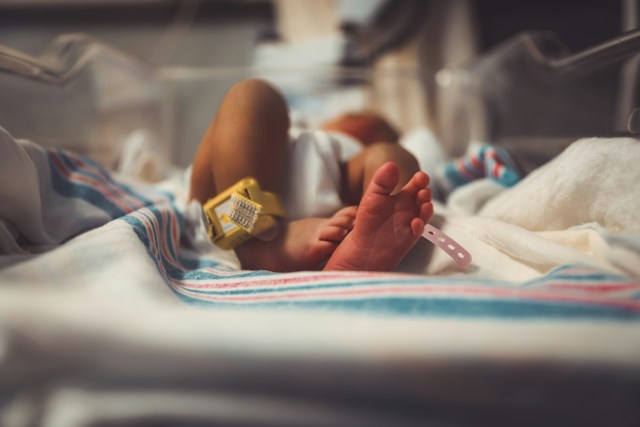
Preparing for a Healthy Start
Welcoming a baby into the world is a moment filled with joy, anticipation, and countless decisions. While nursery décor and baby gear often take center stage, one of the most impactful choices expectant mothers can make happens months before delivery: receiving recommended maternal vaccinations.
Newborns enter life with fragile immune systems, leaving them vulnerable to severe respiratory infections in their earliest months. Maternal immunization bridges this gap, equipping infants with protective antibodies transferred directly from mother to child during pregnancy.
How Maternal Antibodies Work
Vaccines introduce harmless fragments of pathogens—known as antigens—into the mother’s body. Her immune system responds by producing antibodies, which then cross the placenta and enter the baby’s bloodstream. This natural transfer provides immediate immunity, safeguarding the infant until they are old enough to receive their own routine childhood vaccines.
The Three Essential Vaccines During Pregnancy
| Vaccine | Recommended Timing | Primary Protection |
|---|---|---|
| Influenza (Flu) | Any stage of pregnancy | Shields mothers from severe flu complications and protects newborns until their 6‑month shot |
| Pertussis (Whooping Cough) | 20–32 weeks (up to delivery) | Prevents life‑threatening bacterial chest infections in early infancy |
| Respiratory Syncytial Virus (RSV) | 28–36 weeks | Reduces risk of severe bronchiolitis and pneumonia in infants |
1. The Influenza Vaccine
Pregnancy naturally alters a woman’s immune, heart, and lung function, making expectant mothers more susceptible to flu complications. Hospitalisation risks rise significantly, but a flu shot at any trimester offers protection. Importantly, it also passes passive immunity to the baby, who cannot receive their own flu shot until six months of age.
2. The Whooping Cough (Pertussis) Vaccine
Pertussis is a highly contagious bacterial infection that can cause severe coughing fits, breathing difficulties, and even fatal complications in infants. Administering the vaccine between weeks 20 and 32 ensures optimal antibody transfer, shielding newborns during their most vulnerable early weeks.
3. The RSV Vaccine
Respiratory Syncytial Virus (RSV) is a leading cause of bronchiolitis and pneumonia in infants. A maternal dose given between 28 and 36 weeks significantly reduces the likelihood of severe RSV illness and hospitalisation during the baby’s first six months.
Safety, Co‑Administration, and Access
Expectant parents often wonder whether multiple vaccines during pregnancy are safe. Extensive clinical studies confirm that flu, pertussis, and RSV vaccines have strong safety profiles for both mother and child.
- Simultaneous Administration: All three vaccines can be safely given in the same visit.
- Re‑Vaccination in Subsequent Pregnancies: Antibody levels decline over time, so each pregnancy requires fresh immunisation to ensure maximum newborn protection.
- Program Coverage: In Australia, these maternal vaccines are provided free under the National Immunisation Program (NIP).
Taking the Next Step
Consulting with a midwife, general practitioner, or antenatal care provider early in pregnancy ensures an immunisation schedule aligned with gestational milestones. By choosing maternal vaccination, mothers provide their infants with a built‑in shield against life‑threatening infections from the very first breath.
This article is crafted to be human‑centered, genuine, and focused on current health issues, while also fully SEO‑optimised for your website.
Would you like me to expand this series into related topics such as childhood immunisation schedules, vaccine safety myths, or global maternal health trends?