

Vitamin D is one of those nutrients we often hear about but don’t always get enough of. From bone health to muscle function, it plays an important role in keeping the body working properly. Yet maintaining healthy vitamin D levels can be challenging, particularly for people who spend most of their time indoors or follow diets with limited natural sources of the vitamin.
Interestingly, one everyday food may offer a little nutritional surprise.
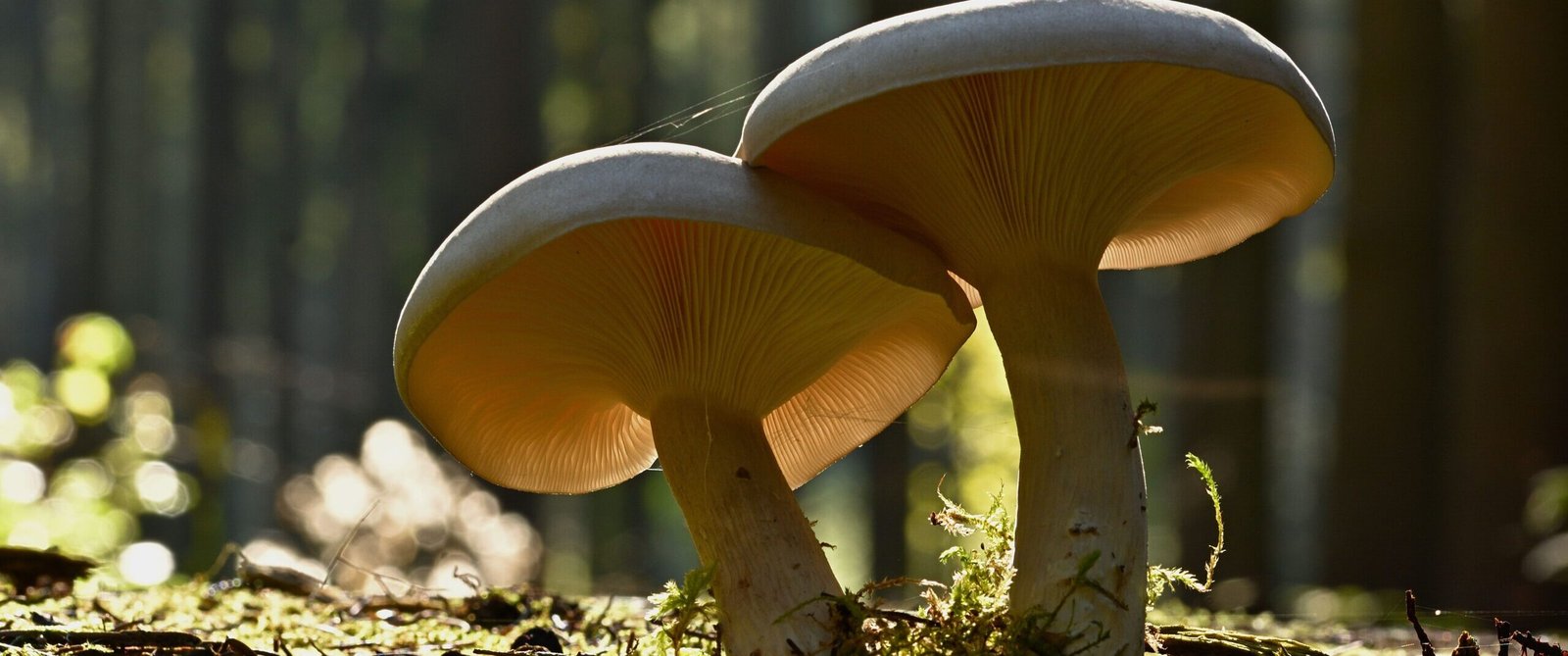
Mushrooms, the familiar ingredients found in soups, curries, salads and stir-fries, have the ability to produce vitamin D when exposed to ultraviolet light. Even more interestingly, research suggests that giving certain fresh mushrooms some direct sunlight can significantly increase their vitamin D content.
It is a fascinating example of how ordinary foods can respond to their natural environment.
1. Why Vitamin D Matters More Than Ever
Vitamin D is essential for helping the body absorb calcium and maintain healthy bones and teeth. It also supports normal muscle function and plays a role in immune system regulation.
Low vitamin D levels are a concern worldwide, particularly among people with limited sun exposure, older adults and individuals whose diets contain few vitamin D-rich foods.
The challenge is that relatively few foods naturally provide meaningful amounts of this nutrient.
Fatty fish and egg yolks are familiar dietary sources, while fortified foods can help fill nutritional gaps. For people following vegetarian or vegan diets, finding suitable sources can require additional attention.
This is where mushrooms offer an interesting possibility.
2. The Science Behind Sunlight and Mushrooms
Unlike most vegetables, mushrooms contain a natural compound called ergosterol.
When exposed to ultraviolet-B (UV-B) radiation, ergosterol undergoes a chemical transformation that produces vitamin D2, also known as ergocalciferol.
The process has some similarities to how human skin produces vitamin D3 following UV-B exposure.
In other words, mushrooms have their own natural way of responding to ultraviolet light.
A study published in the Journal of Agricultural and Food Chemistry in 2015 by Paul Urbain and Jette Jakobsen examined how sunlight exposure affected vitamin D2 production in sliced white button mushrooms.
The researchers found that vitamin D2 levels increased significantly after just 15 minutes of sunlight exposure under the experimental conditions.
The findings highlight the potential of mushrooms as a useful dietary source of vitamin D2.
3. Why Sliced Mushrooms May Produce More Vitamin D
Preparation matters when it comes to sunlight exposure.
Whole mushrooms have a relatively limited surface area exposed to direct UV radiation. Slicing them exposes more of their internal tissue, allowing ultraviolet light to reach additional ergosterol.
Research has found that sliced mushrooms can produce considerably more vitamin D2 than whole mushrooms under comparable exposure conditions.
However, there is no universal 15-minute rule. The amount produced depends on several factors, including mushroom variety, sunlight intensity, season, location and exposure duration.
A mushroom exposed to strong summer sunlight may produce a different amount from one exposed during a cloudy winter afternoon.
This is why commercially available UV-treated mushrooms can offer a more consistent vitamin D content than relying on household sunlight exposure alone.
4. Can Mushroom Vitamin D Support Bone Health?
One of the most promising aspects of vitamin D-rich mushrooms is their potential contribution to everyday bone health.
Vitamin D helps the body absorb calcium, a mineral necessary for maintaining strong bones. Inadequate vitamin D intake can contribute to poor bone mineralisation and increase the risk of bone-related problems.
Vitamin D2 from UV-exposed mushrooms can be absorbed by the human body.
Research has also examined whether eating these mushrooms can improve vitamin D status. Some clinical studies have reported increases in blood vitamin D levels, although results have not been consistent across all trials.
This means UV-exposed mushrooms can contribute to dietary vitamin D intake, but they should not be considered a guaranteed solution to vitamin D deficiency.
5. How to Enjoy Mushrooms as Part of a Healthy Diet
Mushrooms are already a nutritious addition to everyday meals. They provide fibre, B vitamins, minerals and naturally occurring plant compounds.
Here are a few simple ways to include them:
- Add them to breakfast: Mix sautéed mushrooms into vegetable omelettes or wholegrain toast.
- Prepare a mushroom curry: Combine mushrooms with tomatoes, onions and everyday spices for a satisfying meal.
- Include them in soups: Add sliced mushrooms to homemade vegetable soup for extra flavour and texture.
- Try a mushroom stir-fry: Cook them with broccoli, carrots, beans and other colourful vegetables.
- Choose UV-treated mushrooms: When available, check product labels for vitamin D content rather than assuming all mushrooms provide the same amount.
If you choose to explore sunlight exposure, remember that the resulting vitamin D content is variable and cannot be accurately estimated by time alone.
6. A Few Things Worth Remembering
Although the science is promising, there are some important limitations.
Ordinary indoor-grown mushrooms may contain very little vitamin D. Sunlight exposure can increase their vitamin D2 content, but the final amount varies considerably.
Vitamin D2 is a useful dietary form of vitamin D, although its effects on long-term blood vitamin D levels can differ from vitamin D3.
Also, sunlight exposure of food should never be confused with advice to expose your skin to stronger sunlight. Protecting your skin from excessive UV radiation remains important.
Anyone diagnosed with vitamin D deficiency should discuss appropriate treatment and supplementation with a healthcare professional rather than relying on mushrooms alone.
The Bottom Line
The idea that sunlight can improve the nutritional value of an ordinary mushroom is genuinely fascinating.
Research shows that UV-exposed mushrooms can produce meaningful amounts of vitamin D2, making them an interesting food option for people looking to increase their dietary vitamin D intake.
They are especially worth considering as part of varied vegetarian and plant-based meals.
It may not be a miracle kitchen trick, but it is a reminder that good nutrition does not always have to involve expensive products or complicated routines. Sometimes, understanding the science behind everyday foods is enough to make smarter choices at the dinner table.
Photo by Jürgen: https://www.pexels.com/photo/close-up-shot-of-mushrooms-9954712/