

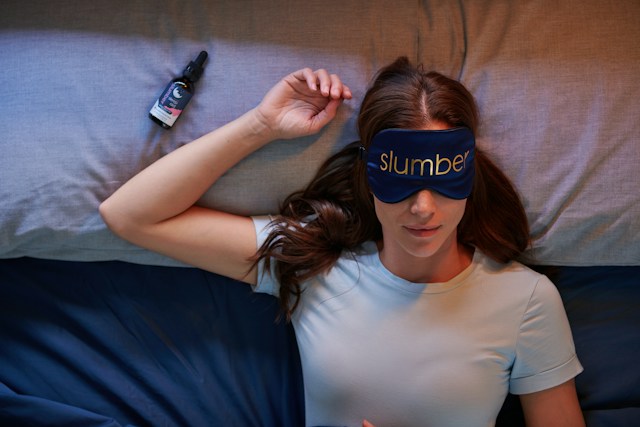
Modern life makes total darkness almost impossible to achieve. Streetlamps shine through blinds, digital clocks glow on nightstands, and tiny charger lights blink in the dark. This constant ambient light pollution quietly disrupts our sleep — and with it, our brain health.
While light pollution is often discussed in terms of cities and the environment, its impact on individual sleep quality is frequently overlooked. Even something as small as a hallway light or a streetlamp outside your window can throw off your internal clock, fragment your rest, and leave you sluggish the next morning.
Fortunately, there’s a simple, affordable solution: the humble sleep mask. Recent research shows that blocking out subtle ambient light does more than help you fall asleep — it can noticeably improve memory, learning retention, and alertness the next day.
The Science of Sleep Masks
Sleep masks are widely recognized for helping shift workers sleep during the day or travelers rest on airplanes. But new findings reveal that using a sleep mask at night offers cognitive benefits for everyone.
In a study published earlier this year, participants wore a sleep mask every night for one week. The results were striking:
- Morning alertness: Participants woke up feeling more refreshed and focused.
- Enhanced memory: Wearers performed better on memory retention tasks.
- Improved learning: Blocking ambient light helped the brain absorb and retain new information more effectively.
These results highlight a fundamental truth: our sleep quality and cognitive health are directly tied to environmental light levels.
How Light Disrupts Your Circadian Rhythm
Humans evolved to align sleep patterns with natural cycles of sunlight and darkness. When light hits your eyes — even through closed eyelids — it signals the brain that it’s daytime. This suppresses melatonin, the hormone that induces drowsiness and maintains deep sleep.
In modern bedrooms, complete darkness is rare. Common culprits include:
- Street lamps leaking through curtains
- Electronic lights from TVs, routers, and chargers
- Hallway glow from adjacent rooms
Even low levels of ambient light keep your brain partially vigilant, preventing you from reaching the deepest, most restorative stages of sleep.
Slow-Wave and REM Sleep: Where Memory Is Made
Sleep isn’t uniform — it cycles through stages. Two of the most critical for brain health are slow-wave sleep (deep sleep) and REM sleep.
When you block out ambient light with a sleep mask, your body spends more continuous time in these deeper stages. That matters because:
- Information Processing: The brain organizes and processes daily experiences.
- Memory Consolidation: Short-term experiences are transferred into long-term memory.
- Brain Cleanup: The glymphatic system clears cellular waste, protecting long-term brain health.
Without deep sleep, you may technically sleep for eight hours but wake up foggy, forgetful, and unrefreshed.
An Affordable Upgrade for Daily Health
Improving your sleep environment often sounds expensive — blackout curtains, specialized lighting, or high-end mattresses. But a sleep mask offers one of the most cost-effective health upgrades available, often costing less than $10.
By creating personal darkness, a sleep mask shields your circadian rhythm from external light pollution without major lifestyle changes.
How to Choose the Right Sleep Mask
Not all masks are created equal. Look for these features:
- Contoured design: Recessed eye cups prevent pressure on eyelids and lashes.
- Breathable fabric: Silk or cotton reduce heat buildup and skin irritation.
- Adjustable strap: Ensures comfort without digging into ears or head.
Protecting Your Rest in a Bright World
Quality sleep is a cornerstone of long-term health, alongside nutrition and physical activity. While we can’t always control the glow of city lights or electronics, a sleep mask provides an easy, practical way to protect your rest, safeguard your circadian rhythm, and sharpen your memory for the day ahead.
In a world that never truly goes dark, this small accessory may be the simplest path to better brainpower.
Photo by Slumber Sleep Aid on Unsplash