

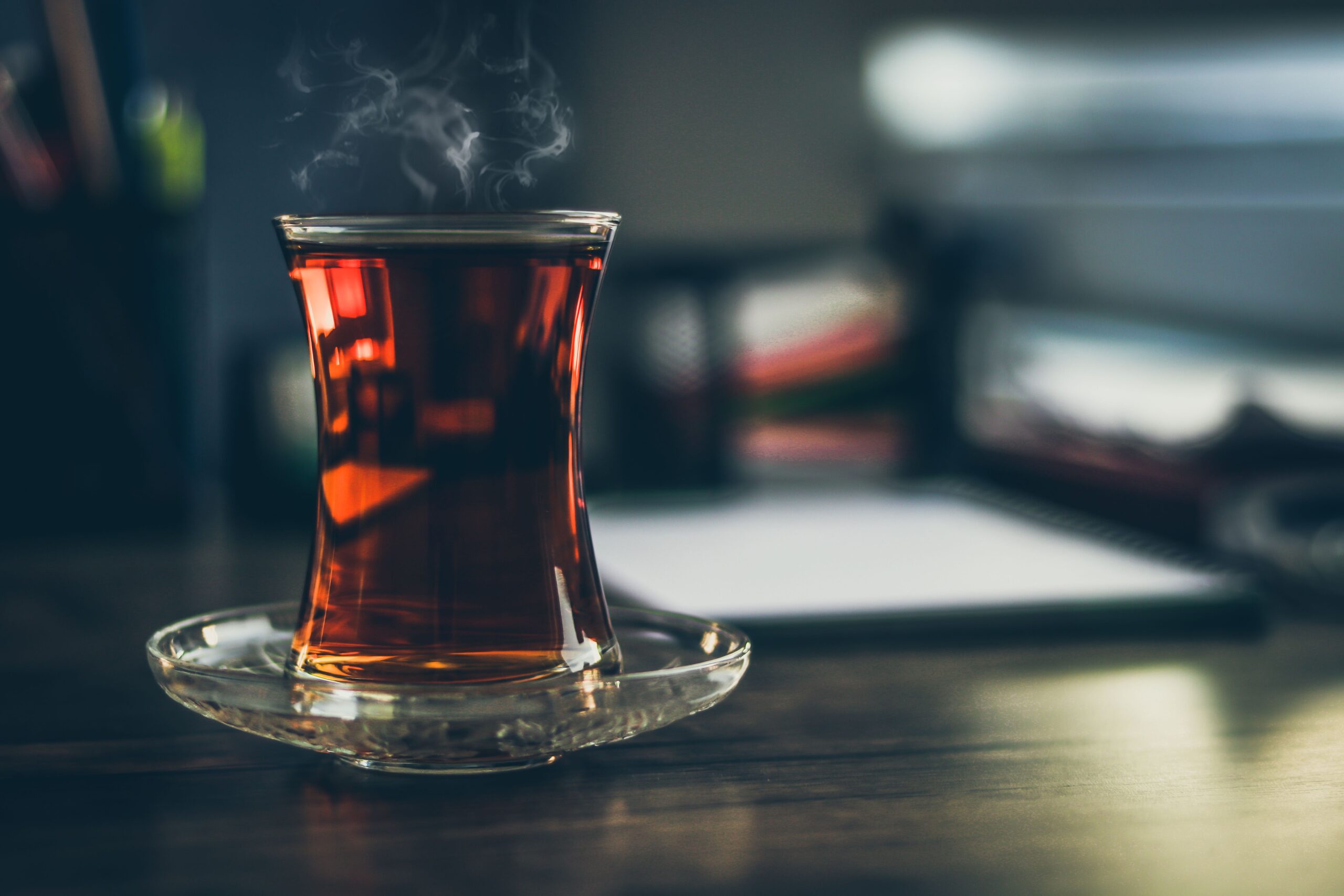
For many people, the day does not really begin until the first cup of tea or coffee is in their hands.
It might be black tea, green tea, coffee, or another favorite hot drink. And over the years, we have heard plenty about what goes into these beverages—caffeine, sugar, milk, cream and other ingredients.
But new research is drawing attention to something much simpler.
How hot is that first sip?
A large Oxford-led study published in September 2026 has found that people who reported drinking their tea or coffee at “very hot” temperatures had about three times the risk of developing esophageal squamous cell carcinoma compared with people who preferred their drinks warm.
The study involved 977,282 adults from the UK Million Women Study and UK Biobank, with follow-up lasting more than a decade. Researchers identified 2,348 cases of esophageal cancer, including 1,045 squamous cell carcinomas.
The finding is striking—but it needs to be understood correctly.
This is not a warning to stop drinking tea or coffee. It is a reminder that temperature may matter more than many people realize.
The temperature, not necessarily the drink
One of the most important details in the research is that the increased risk was associated with very hot beverages, not simply with drinking tea or coffee.
The researchers found that very hot drinks were associated with a relative risk of 3.17 for esophageal squamous cell carcinoma compared with warm drinks. They did not find the same association with esophageal adenocarcinoma, another major form of esophageal cancer.
Frequency mattered, too.
After taking temperature into account, people who reported drinking six or more hot drinks a day had a 71% higher risk of esophageal squamous cell carcinoma than those drinking fewer than six.
That does not mean six cups automatically cause cancer. It is an association observed across a large population.
And that distinction matters.
The study relied on people’s descriptions of how hot they preferred their drinks rather than measuring the temperature of every cup. So “very hot” does not translate perfectly into one exact temperature for every person.
Why would heat matter?
Scientists have suspected for years that repeated exposure to very hot food and beverages could affect the esophagus.
The esophagus is the muscular tube that carries food and drink from the throat to the stomach. Unlike the outer skin, its lining is not designed to withstand repeated exposure to extreme temperatures.
The leading explanation is relatively straightforward: repeated thermal irritation may damage the lining and create conditions that contribute to cancer development over time.
But it is important not to turn that explanation into a proven step-by-step pathway.
The new study did not demonstrate that every very hot drink causes a microscopic burn, nor did it prove that a particular mutation such as TP53 is directly produced by drinking hot beverages. Cancer develops through complex biological processes involving many genetic and environmental factors.
The heat-cancer connection, however, is not entirely new.
In 2016, the International Agency for Research on Cancer classified drinking beverages above 65°C (149°F) as “probably carcinogenic to humans” based on evidence from human studies and experimental research. IARC also stressed that this classification describes the strength of evidence for a cancer hazard—not the exact level of risk faced by an individual.
Earlier studies from regions where extremely hot tea or maté is traditionally consumed have also reported higher risks of esophageal cancer. More recent research continues to support the possibility that temperature is an important part of the picture.
Why this matters as we get older
For older adults, this research may be particularly worth noticing—not because age makes a cup of tea suddenly dangerous, but because cancer risk generally changes throughout the life course.
The Oxford study itself was conducted primarily in middle-aged UK adults, so its results should not be presented as a study specifically of people over 65.
Still, the practical message is easy to understand.
If you regularly drink beverages hot enough to feel uncomfortable, there is little reason to rush.
Let the drink cool until it is comfortably warm before taking a large sip. You do not need to abandon tea or coffee, and you do not need to turn every morning cup into a laboratory experiment.
In fact, the researchers’ conclusion points toward lowering beverage temperature as a potentially useful prevention strategy. They estimated that, if the association were causal, about 14% of esophageal squamous cell cancers in the UK population could potentially be avoided if people drinking beverages at “very hot” temperatures instead consumed them at a cooler “hot” temperature.
That estimate is a population-level calculation, not a promise that cooling one person’s coffee eliminates their cancer risk.
There is another reason to pay attention
The temperature of your tea is only one piece of the esophageal cancer story.
Smoking and alcohol remain important risk factors, while other factors can influence the risk of different types of esophageal cancer. The type of cancer matters, too: the new Oxford research found a particularly clear association with squamous cell carcinoma, not adenocarcinoma.
And there is an important symptom older adults should never simply blame on aging.
Persistent difficulty swallowing deserves medical attention.
A feeling that food is repeatedly sticking, unexplained weight loss, persistent chest discomfort when swallowing, or other ongoing swallowing changes should be discussed with a healthcare professional.
These symptoms can have many causes, and they do not automatically mean cancer. But persistent swallowing problems are not something to ignore.
You don’t have to give up the ritual
Perhaps the most reassuring part of this story is what the research does not say.
It does not say your morning coffee is dangerous.
It does not say tea should disappear from your kitchen.
And it does not establish that drinking a particular number of cups will cause esophageal cancer.
Instead, it adds another piece to a growing body of evidence suggesting that extreme heat may be the part worth changing.
So tomorrow morning, there may be no need to change what is in your mug.
Just consider changing what happens before the first sip.
If your drink is so hot that it is uncomfortable on your lips or tongue, give it a little more time.
That small pause may be a much simpler health habit than giving up a daily ritual you genuinely enjoy.
Photo by Hasan Albari: https://www.pexels.com/photo/close-up-photo-of-steaming-black-tea-in-glass-1493080/