

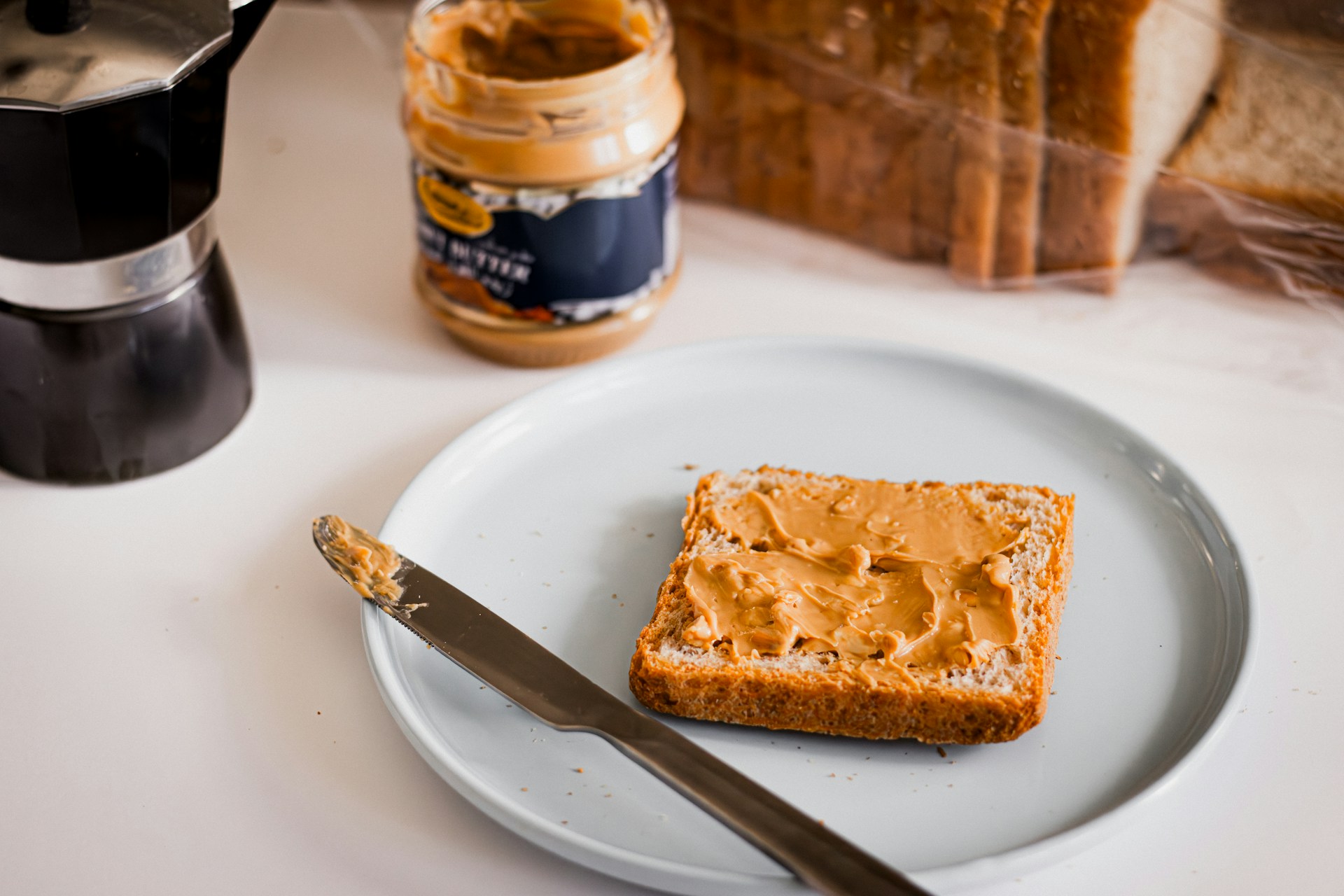
Americans eat around 700 million pounds of peanut butter every year. That’s roughly 3 pounds per person annually — and that’s just the butter, not counting roasted peanuts, trail mix, peanut snack bars, and the tablespoon scooped straight from the jar at 11 p.m. For most of us, peanuts are as American as, well, peanut butter and jelly.
So when Dr. Steven Gundry — Yale-trained cardiothoracic surgeon, bestselling author, and one of the most polarizing voices in functional medicine — says that eating peanuts every day is quietly wrecking your gut, people pay attention. And when Harvard School of Public Health research says regular peanut consumption is associated with a significantly reduced risk of heart disease, people get confused.
Who’s right? The honest answer is: both of them are — partially. And understanding why requires actually looking at what peanuts do inside your body when you eat them consistently over time.
First, a Quick Reality Check on What Peanuts Actually Are
Here’s something most people don’t know: peanuts are not nuts. They’re legumes — botanically related to beans, lentils, and soybeans, not to almonds, walnuts, or cashews. They grow underground, not on trees.
This distinction matters more than it sounds, because legumes have a very different nutritional and biochemical profile than tree nuts — including a significantly higher content of certain plant defense compounds that sit at the center of the ongoing peanut debate.
Nutritionally, one ounce of dry-roasted peanuts delivers about 7 grams of protein — more protein per ounce than any tree nut — along with roughly 14 grams of mostly unsaturated fat, 2 grams of fiber, and a meaningful lineup of micronutrients including magnesium, niacin, copper, manganese, and vitamin E. They also contain resveratrol, the same antioxidant compound found in red wine that gets credited with cardiovascular protection. One ounce of peanuts contains approximately 73 micrograms of resveratrol — comparable to a modest glass of wine.
On paper, that’s a genuinely impressive nutritional profile. So what’s the problem?
The Case Against Daily Peanuts: Lectins, Aflatoxins, and Gut Disruption
Dr. Gundry’s core argument centers on two compounds: lectins and aflatoxins.
Lectins are proteins that plants produce as a defense mechanism against insects, molds, and predators — including, arguably, us. Peanuts contain a specific lectin called peanut agglutinin (PNA), which has one particularly unsettling property: it’s one of the few dietary lectins that survives digestion and enters the bloodstream relatively intact.
In his book The Plant Paradox and across numerous podcast episodes, Gundry argues that lectins bind to the cells lining the small intestine, creating microscopic gaps in what should be a tight barrier. This is what functional medicine practitioners call “leaky gut” — technically known as intestinal hyperpermeability. When that barrier is compromised, undigested food particles, bacterial fragments, and toxins can cross into the bloodstream and trigger a systemic inflammatory response.
The mainstream scientific community is not fully on board with Gundry’s broad lectin claims — and it’s worth acknowledging that openly. The clinical evidence that removing lectin-containing healthy foods improves health outcomes is limited and inconsistent. Mainstream nutrition science does not support broadly eliminating all lectin-containing foods. And notably, roasting peanuts dramatically reduces their lectin content — which is relevant because the vast majority of Americans consume roasted peanuts or peanut butter made from roasted peanuts, not raw ones.
That said, the biochemical mechanism Gundry describes isn’t invented. Lectins are documented to have antinutritional properties in certain forms and quantities. And peanut agglutinin specifically has been the subject of legitimate research. Whether everyday consumption of roasted peanuts provides enough intact PNA to meaningfully disrupt gut integrity in a typical healthy adult is an open scientific question — not a settled one either way.
Aflatoxins are where the conversation gets more concrete and, frankly, more sobering.
Aflatoxins are toxic compounds produced by Aspergillus molds — fungi that thrive in warm, humid conditions and can contaminate agricultural crops including peanuts, corn, and tree nuts. They are among the most potent naturally occurring carcinogens known, with chronic high-level exposure linked to liver cancer, kidney damage, immune suppression, and in extreme cases, liver failure and death.
The FDA has set the action level for aflatoxins in peanut products intended for human consumption at 20 parts per billion (ppb) — food exceeding this level is considered adulterated and should not reach the marketplace. The USDA tests every lot of domestic and imported raw peanuts before they enter US commerce, with a certified limit of 15 ppb or less.
Here’s the reassuring part, stated clearly: the FDA has confirmed that to date, there has never been a documented human illness outbreak caused by aflatoxins in the United States, where foods are carefully regulated and inspected. Roasting at commercial temperatures reduces aflatoxin levels by up to 89%, and the multi-stage processing pipeline — cleaning, sorting, blanching, roasting, and random FDA testing of finished products — means the risk of meaningful aflatoxin exposure from mainstream commercial peanut butter in America is very low.
The less reassuring part: “very low” is not zero. Aflatoxin contamination cannot be reduced to zero, regulatory bodies have acknowledged, because the molds that produce them are naturally occurring. And chronically consuming small amounts of aflatoxins over years — even well below the FDA’s action level — is an exposure that accumulates. For people who eat peanuts or peanut butter daily, every single day, for decades, that’s a cumulative picture worth at least being aware of.
Gundry’s advice to choose organic peanuts, minimize raw peanut consumption, and prioritize roasted products from established US brands isn’t alarmist — it’s practical harm reduction that aligns with the science even if his broader lectin narrative is contested.
The Case For Daily Peanuts: Heart Health, Blood Sugar, and Brain Protection
Now the other side — and it’s compelling.
The cardiovascular research on peanuts is some of the most consistent in nutrition science. Research from the Harvard School of Public Health, Loma Linda University, and the University of Minnesota has found that eating peanuts and nuts frequently — even in small amounts — may reduce the risk of heart disease by more than half. The FDA has issued a Qualified Health Claim stating that scientific evidence suggests eating 1.5 ounces of most nuts, including peanuts, as part of a diet low in saturated fat and cholesterol may reduce the risk of heart disease.
The mechanisms are real and well-documented. Peanuts are rich in monounsaturated and polyunsaturated fats, which support healthy cholesterol profiles. They contain magnesium and potassium, two minerals with direct blood pressure benefits. A randomized clinical trial published in Nutrients in 2024 found that regular peanut consumption helped decrease diastolic blood pressure — even in individuals who already had elevated blood pressure. They contain phytosterols, which compete with dietary cholesterol for absorption. And resveratrol in peanuts has been associated with reduced oxidation of LDL cholesterol — one of the key early steps in the development of arterial plaque.
On blood sugar, Harvard research found that substituting a serving of red or processed meat with a serving of peanut protein once per day can reduce type 2 diabetes risk by 7 to 21%. Peanuts have a low glycemic index, meaning they produce a slow, modest rise in blood sugar rather than a spike — which matters enormously for the roughly 38 million Americans currently living with diabetes and the additional 96 million with prediabetes.
The brain research is less widely known but worth paying attention to. Peanuts are high in resveratrol, vitamin E, and the B vitamin niacin, and research cited by WebMD has found these nutrients associated with protection against Alzheimer’s disease — with the vitamin E benefit appearing to come specifically from food sources like peanuts, not supplements. That last point is important: food matrix matters. The same compounds in isolation often don’t produce the same effects as when consumed as part of a whole food.
A 2024 randomized clinical trial on gut health, published in Nutrients, found that peanut consumption positively influenced the gut microbiome — which sits in direct tension with Gundry’s leaky gut argument and adds another layer of genuine scientific complexity to this conversation.
The Omega-6 Problem Nobody Mentions
Here’s a concern about daily peanut consumption that doesn’t come from Gundry’s lectin framework and doesn’t get nearly enough airtime: the omega-6 fatty acid content.
Peanuts are relatively high in linoleic acid, an omega-6 fatty acid. In isolation, omega-6 fats are not harmful. The problem is the ratio. The modern American diet already skews dramatically toward omega-6 fats — from processed cooking oils, packaged snacks, and fast food — relative to omega-3 fats. Most nutrition researchers consider a healthy omega-6 to omega-3 ratio to be somewhere between 4:1 and 1:1. The average American diet sits closer to 15:1 or 20:1.
Chronically elevated omega-6 intake in the absence of adequate omega-3 creates a pro-inflammatory environment at the cellular level. Adding a daily serving of peanuts to an already omega-6-heavy diet isn’t catastrophic — but it’s not neutral either. If you’re eating peanut butter every day and your other fat sources are primarily processed seed oils and packaged foods, this is worth thinking about. If your diet includes regular fatty fish, walnuts, flaxseed, or an omega-3 supplement, the peanut contribution matters less.
So What Should You Actually Do?
This is where most health articles hedge into meaninglessness, so let’s be direct.
If you’re generally healthy, eat a reasonably varied diet, and love peanuts or peanut butter: The evidence doesn’t warrant eliminating them. The cardiovascular, metabolic, and brain health data are real, the aflatoxin risk from mainstream US commercial products is genuinely low, and the lectin concern — while not entirely dismissible — applies primarily to raw peanuts, not to the roasted products most people consume. Enjoy them.
Choose your peanut butter wisely. Natural peanut butter — ingredients: peanuts, salt — is meaningfully different from conventional peanut butter made with partially hydrogenated oils, added sugar, and stabilizers. The added sugars and processed oils in conventional PB undermine most of the health benefits the peanut itself provides. Check the label. If there are more than two ingredients, put it back.
Roasted over raw, always. Roasting dramatically reduces both lectin and aflatoxin content. This isn’t controversial — it’s well-documented in the food safety literature. The vast majority of commercial peanut products are roasted, which is part of why the real-world risk is lower than the raw-peanut conversation implies.
Stick to a reasonable portion. An ounce to an ounce and a half per day — roughly a small handful or two tablespoons of peanut butter — is the range that appears in most of the positive cardiovascular research. More isn’t necessarily better, and peanuts are calorie-dense: about 166 calories per ounce. Daily consumption at a sensible portion size is very different from eating them by the handful three times a day.
If you have autoimmune conditions, inflammatory bowel disease, or known gut issues: Gundry’s concerns are more relevant to you specifically. The evidence for lectin sensitivity is weakest in healthy populations and most plausible in people with existing gut permeability issues. It’s worth discussing with a gastroenterologist before making peanuts a daily staple.
If you’re eating peanuts daily for years: It’s worth choosing peanuts from established US brands that source domestically or from USDA-certified suppliers with verified aflatoxin testing. Discard any peanuts that look shriveled, discolored, or moldy. Store peanut butter in a cool, dry place — aflatoxin doesn’t form in processed peanut butter once packaged, but proper storage preserves product integrity.
The Honest Verdict After 30 Days
If a healthy American adult ate a moderate daily serving of roasted peanuts or natural peanut butter for 30 days, what would actually happen?
Based on the weight of the available evidence: blood pressure might improve modestly. LDL cholesterol could shift in a favorable direction. Gut microbiome diversity may benefit. Satiety between meals would likely increase, which could support weight management if it replaced higher-calorie or less nutrient-dense snacking. Protein and micronutrient intake would tick upward in meaningful ways.
What probably wouldn’t happen in 30 days: dramatic gut inflammation in a healthy adult eating roasted peanuts. A meaningful aflatoxin health event in anyone buying from a reputable US brand. A measurable lectin-related crisis.
The 30-day cliff that Gundry implies — that daily peanut consumption leads reliably to gut damage, inflammation, and chronic disease — is not what the full body of research supports for the majority of otherwise healthy Americans.
That doesn’t make him entirely wrong. It makes the truth more nuanced than either side typically presents it.
The Bottom Line
Peanuts are not a superfood. They’re also not quietly killing you. They’re a real, complex food with a genuinely impressive nutritional profile, some legitimate concerns worth understanding, and a body of research that lands solidly in “eat them in moderation, choose quality, and don’t make them the only thing in your diet.”
Dr. Gundry’s concerns about lectins and aflatoxins are worth knowing about — not because they make peanuts forbidden, but because they inform how you consume them. Roasted over raw. Natural over conventional. Mindful portion over mindless handful.
The 700 million pounds of peanut butter Americans eat every year doesn’t need to be a health crisis. It just needs to be a more informed choice.
Sources: The Dr. Gundry Podcast (YouTube), Peanut Institute, Harvard T.H. Chan School of Public Health, NC Cooperative Extension / USDA, Nutrients Journal (2024 — Gut Microbiome & Peanuts RCT), WebMD (medically reviewed), Healthline (medically reviewed), FDA Compliance Policy Guide Sec. 570.375 — Aflatoxins in Peanuts, Big Spoon Roasters Aflatoxin Analysis, National Peanut Board, Food Research International (2017 — Roasting & Aflatoxin Reduction), Factually.co — Gundry Lectin Evidence Review.
This article is for informational purposes only and does not constitute medical or dietary advice. Please consult a licensed healthcare provider or registered dietitian before making significant changes to your diet.
💬 READER’S CORNER
“Peanut butter fan or a peanut skeptic? Have you ever tried cutting them out — and noticed a difference? Drop your experience in the comments. We read every single one.”