

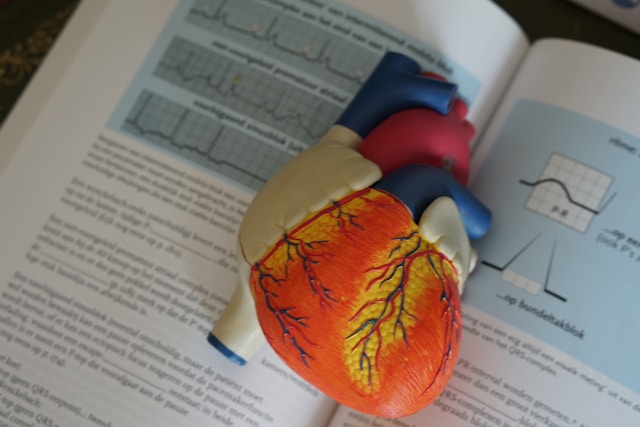
Heart disease remains one of the leading causes of death worldwide, and clogged arteries are a major contributor to heart attacks and strokes. While treatments such as lifestyle changes, medications, stents, and bypass surgery have improved outcomes, researchers continue searching for new ways to address plaque buildup.
Now, scientists in Italy are studying a naturally occurring protein that may help the body break down fatty deposits inside arteries. Although the research is still in its early stages, it offers an interesting glimpse into a possible future approach to cardiovascular care.
A Different Way to Target Plaque
Plaque forms when cholesterol, fats, calcium, and other substances gradually accumulate along artery walls. Over time, these deposits can narrow blood vessels and reduce blood flow.
Researchers at MultiMedica are investigating a protein that appears to interact with plaque in laboratory studies. Early findings suggest it may help the body process or remove certain components of these fatty buildups, though much more research is needed to understand exactly how it works.
If future studies confirm these results, the approach could complement existing treatments rather than replace them.
Why the Research Matters
Current therapies focus on lowering cholesterol, reducing inflammation, and preventing plaque from worsening. A treatment that helps the body naturally clear existing plaque could represent a new direction in cardiovascular medicine.
Potential long-term goals include:
- Supporting healthier blood flow
- Reducing the risk of cardiovascular complications
- Expanding treatment options alongside established therapies
However, researchers emphasize that these possibilities remain theoretical until larger studies are completed.
Still in the Early Stages
Experts caution that the work is currently in the research phase and is not an approved treatment.
The typical development process includes:
- Laboratory research: Ongoing studies to understand how the protein works.
- Clinical trials: Testing safety and effectiveness in people.
- Regulatory review: Evaluation by health authorities before any potential approval.
This process often takes several years.
What It Means for Patients Today
While this research is promising, the best-supported ways to protect heart health remain the same:
- Eat a heart-healthy diet.
- Stay physically active.
- Avoid smoking.
- Manage blood pressure, cholesterol, and diabetes.
- Follow your healthcare provider’s recommendations for screening and treatment.
Researchers continue to explore innovative approaches to cardiovascular disease, and studies like this may help shape future therapies. For now, the findings are an encouraging step in ongoing scientific efforts to better understand and treat artery plaque safely.
Photo by Robina Weermeijer on Unsplash