

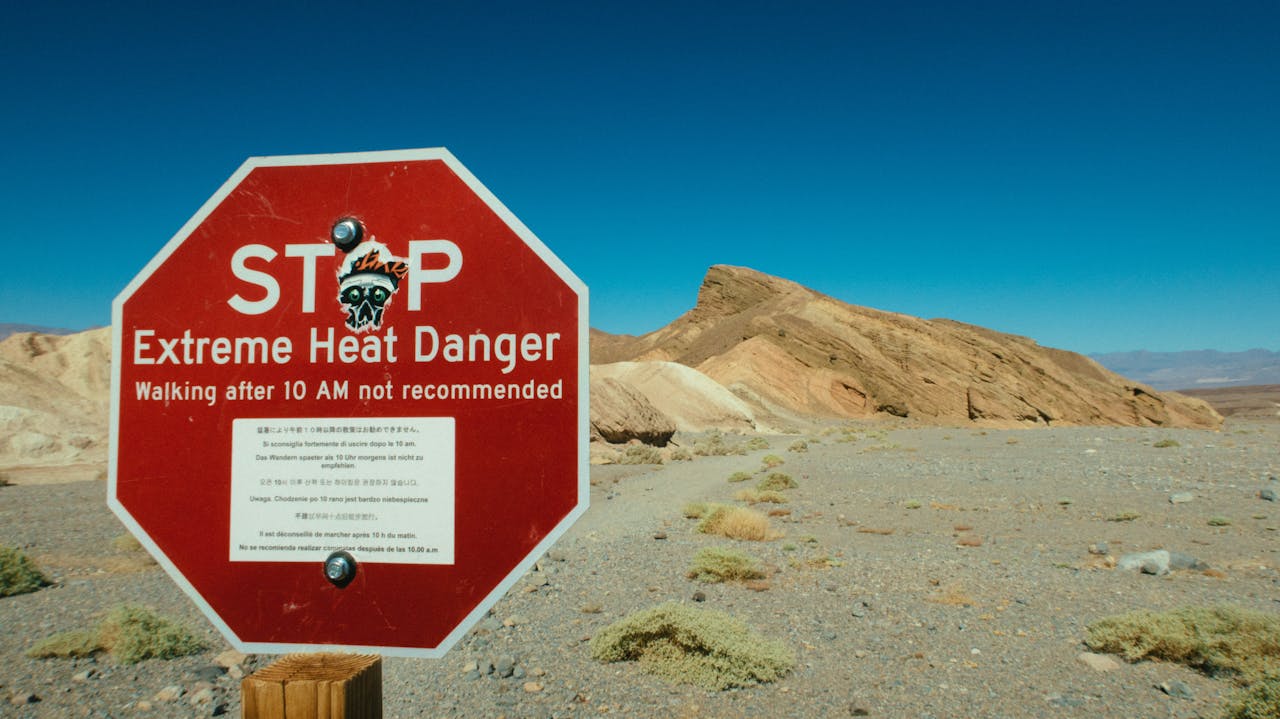
Let’s not sugarcoat this. What’s happening across the United States right now isn’t a rough stretch of warm weather that’ll smooth out by June. It’s a heat situation that scientists, forecasters, and emergency health officials are describing with words like “unprecedented,” “virtually impossible,” and “evolving into something far more dangerous.”
In March 2026, a heat dome parked over the Southwest and shattered records across seven thousand locations in a single event. Yuma, Arizona hit 109°F — a new national March record. Phoenix tied its all-time April high, in March. And now, with a 5,000-mile marine heat wave sitting in the Pacific pushing warmer, more humid air toward the West Coast all summer, NOAA is flagging 36 states for above-normal temperatures through the fall.
This isn’t fear-mongering. It’s context. And the context matters because heat is one of the leading weather-related killers in the United States — and one of the most underreported ones. According to research cited by Yale Climate Connections, the CDC’s estimate of roughly 1,200 heat deaths per year is likely off by a factor of ten. Most heat deaths get recorded as heart attacks, strokes, or organ failure — the heat’s role quietly erased from the official count.
So. What do you actually do about it?
📺 Watch First — Then Read
“The Heat Wave Striking The U.S. Just Turned Into Something Far More Dangerous” — published April 2026
Watch that, then come back. It’ll make the rest of this land harder.
What Makes This Year Different
Every summer has heat. This one has a different setup behind it.
The March 2026 heat wave wasn’t just extreme — climate scientists at World Weather Attribution concluded it would have been virtually impossible without human-caused climate change. That’s not a speculative political statement. That’s a rapid-response scientific analysis using established attribution methodology.
What followed that record-breaking March matters too. NOAA issued Rapid Onset Drought warnings across Mississippi, Alabama, Georgia, and South Carolina in April — a product so rare most people didn’t even know it existed. The Colorado River Basin is staring down historically low snowpack heading into summer. Wildfire risk is elevated across several Western states through June and July.
And layered on top of all of this: a forming El Niño in the Pacific that could amplify heat and humidity, particularly along the West and Southwest. California — where dry heat is almost a cultural identity — may see something unfamiliar this summer: humid, oppressive heat that the body handles much worse than the dry kind.
If you live anywhere in the continental United States, this summer has your name on it in some way. The question is just how prepared you are.
The Honest Truth About Hydration
You’ve heard “drink more water” so many times it’s basically background noise at this point. So let’s go a little deeper.
Your body cools itself through sweat. Sweat is not just water — it carries sodium, potassium, and other electrolytes out of your body with every drop. When those electrolytes drop too low, things start to break down fast: muscle cramps, mental fog, a heart that’s working harder than it should, blood pressure that dips when you stand up. That chain of events is heat exhaustion, and it builds quietly.
The trickiest part? Thirst is a lag indicator. By the time you feel genuinely thirsty, you’re already behind. Scripps Health recommends aiming for 16 to 32 ounces of cool fluids per hour when you’re active in the heat. The National Academy of Medicine sets daily baselines at 92 ounces for women and 125 ounces for men — both of those climb significantly in hot weather.
The color check is your most honest daily signal. Pale yellow urine means you’re in good shape. Anything darker means you need to drink more right now, not later.
What to actually drink:
Water is your foundation — nothing replaces it. But when you’re sweating heavily for longer than 45 minutes, plain water isn’t enough. You need to replace electrolytes. Low-sugar sports drinks, coconut water, or even a glass of water paired with something salty will do the job. The sodium helps your body absorb and retain fluids instead of just flushing them through.
What to skip:
Alcohol and caffeine are both diuretics — they accelerate fluid loss. Sugary drinks cause blood sugar spikes that leave you feeling worse. Very cold drinks sound like exactly what you need on a hot day, but they can actually slow your body’s absorption. Cool or room temperature water works better than ice cold.
Staying Cool: What Actually Moves the Needle
Hydration alone won’t save you if you’re doing everything else wrong. Here’s the practical side.
Work with the clock. The worst of the heat sits between 11 a.m. and 4 p.m. Shift outdoor activity — runs, yard work, errands — to early morning or evening. This isn’t about convenience. It’s a meaningful risk reduction.
Dress for the heat, not the aesthetic. Loose, lightweight, light-colored fabrics in cotton or linen are significantly cooler than dark, tight-fitting synthetics. Wear a ventilated hat in direct sun — even on overcast days, UV and radiant heat are still doing damage.
Use your home smarter. Air conditioning at 78°F is the sweet spot between effective cooling and not overloading the grid. No A/C? Open windows on the shaded side of your house, close them on the sun-facing side, and run fans to move air. Cool showers are genuinely effective — not just refreshing, actually therapeutic. The National Weather Service in New York specifically recommends them as a heat countermeasure.
Cool your pulse points. A damp cloth or wrapped ice pack applied to your wrists, the back of your neck, or behind your knees lowers your core body temperature faster than you’d expect. It sounds like a wellness hack but it’s basic physiology — those areas sit close to major blood vessels.
Eat lighter than you think you need to. Heavy meals high in fat and protein generate internal body heat during digestion — the last thing you need in a heat wave. Lean toward hydrating foods: watermelon, cucumbers, berries, citrus. Light salads. Anything your body doesn’t have to work hard to process.
Know Who’s Most at Risk
This is the part people skip over, but it matters — especially if you have someone in your life who fits these categories.
Children under two, adults over 65, people with heart disease, diabetes, or respiratory conditions, and anyone on medications like antihistamines, antidepressants, or beta blockers are significantly more vulnerable. Some of those medications directly interfere with the body’s ability to sweat and regulate temperature.
Check in on elderly neighbors, especially those who live alone and may not have air conditioning. The heat doesn’t care about pride or privacy. A 10-minute check-in can be the difference between someone getting help in time and the kind of outcome that doesn’t make the official heat death statistics.
When It Becomes a Medical Emergency
Heat exhaustion is serious but manageable. Move the person to a cool place, have them lie down, offer cool fluids, apply cool damp cloths to the skin, and rest. Most people recover with this protocol within 30 minutes.
Heat stroke is different. If someone stops sweating despite the heat, becomes confused or disoriented, has a body temperature at or above 104°F, or loses consciousness — that is a 911 call. Not a “let’s see if they improve” situation. Heat stroke can kill or cause permanent neurological damage within minutes. The window for intervention is narrow.
The CDC’s HeatRisk Dashboard at cdc.gov lets you enter your zip code to check your local heat risk level and forecast. Bookmark it before you need it.
The Bottom Line
The heat wave striking the US right now is not a temporary inconvenience. It’s an escalating public health situation that starts earlier, ends later, and hits harder than what most of us grew up with. The systems that used to protect us — cool nights, predictable spring temperatures, manageable humidity — are becoming less reliable.
What is reliable: what your body needs to handle heat hasn’t changed. Consistent fluids. Electrolytes when you’re sweating hard. Time away from peak sun. Light food. Knowing the warning signs early enough to act on them.
None of this is complicated. But none of it works if you wait until you feel bad to start.
Stay ahead of the heat this summer. Your body will know the difference.
Sources: NOAA Climate Prediction Center, World Weather Attribution, CDC Heat Safety, Scripps Health, University of Iowa Health Care, Yale Climate Connections, AccuWeather, Washington Post Weather, Weather West.
“Are you already feeling the heat where you live? Tell us your city and how you’re managing it — drop it in the comments below.”