

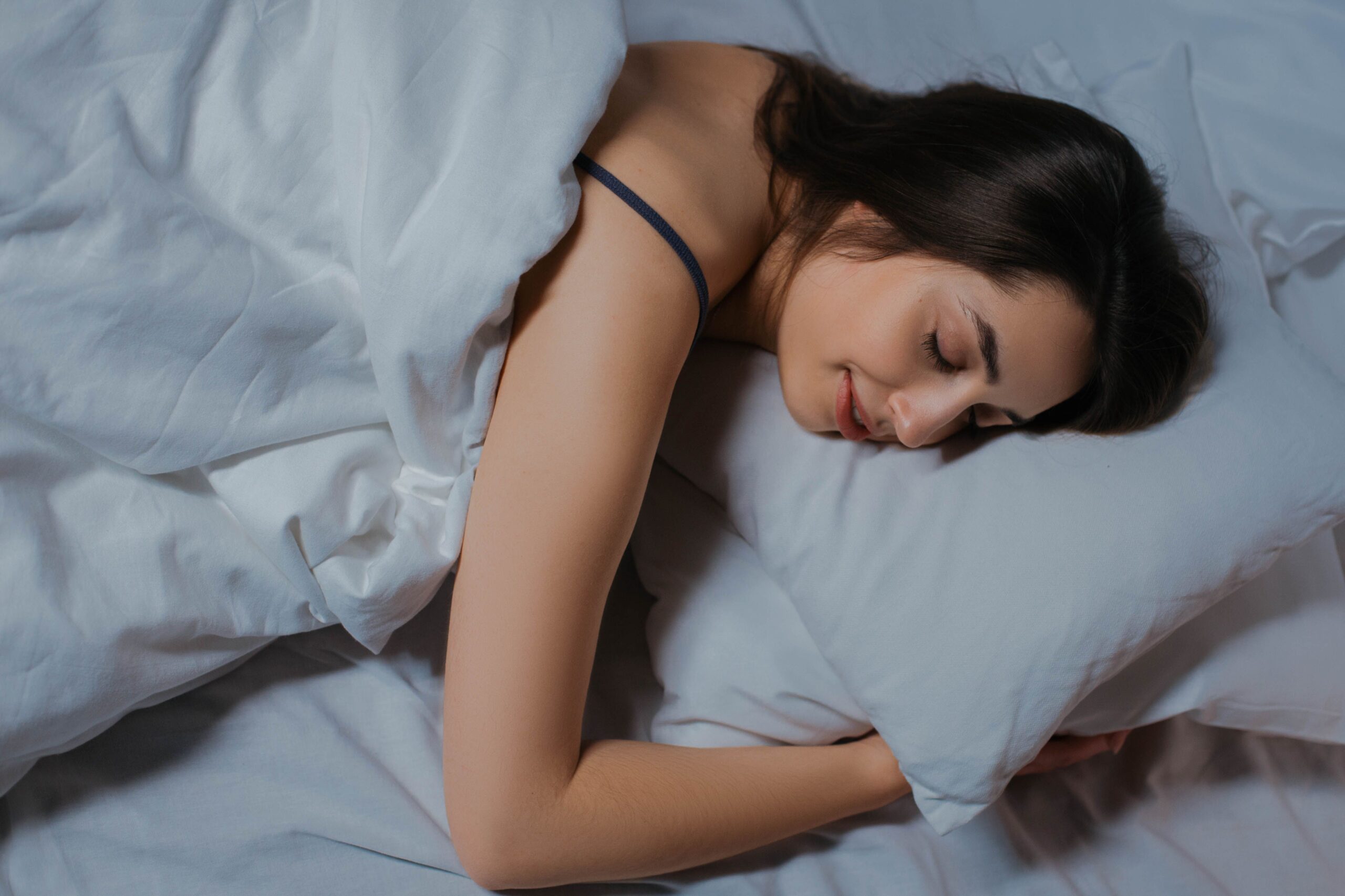
For years, the familiar advice has been simple: most adults should aim for around seven to nine hours of sleep each night.
That remains a useful starting point. But sleep is not a one-size-fits-all biological process.
Women, on average, report more sleep difficulties than men, including insomnia symptoms and disrupted sleep. Hormonal changes throughout the menstrual cycle, pregnancy, the postpartum period and menopause can all influence sleep quality. At the same time, responsibilities, stress and health conditions can make it harder to get enough uninterrupted rest.
Some research has suggested that women may sleep slightly longer than men on average. But the idea that every woman biologically needs an extra 15–30 minutes should be treated cautiously. Sleep scientists generally emphasize individual sleep need and sleep quality rather than a rigid male-versus-female rule.
The more important question is not simply, “How many hours should women sleep?”
It is: Why is restorative sleep so difficult for so many women, and what can be done about it?
Why Women Often Report More Sleep Problems
Large population studies consistently find a higher prevalence of insomnia symptoms among women.
One reason is biology. Another is life stage.
Female reproductive hormones interact with systems involved in body temperature, mood, circadian timing and sleep regulation. Those effects can become particularly noticeable during periods of hormonal transition.
Stress and caregiving responsibilities can add another layer. A person may spend enough time in bed but still experience frequent awakenings, difficulty falling asleep or waking too early.
That distinction matters because time in bed isn’t necessarily the same as restorative sleep.
The Hormonal Connection
Hormones do not operate independently of sleep. Changes in estrogen and progesterone can influence sleep patterns, body temperature and other processes that affect nighttime rest.
The Menstrual Cycle
Some women notice changes in sleep during the days before menstruation. Research suggests that hormonal fluctuations and the accompanying rise in body temperature during the luteal phase can affect sleep quality.
For some, symptoms associated with premenstrual syndrome—such as cramps, mood changes or headaches—can make sleep even more difficult.
The experience varies considerably, however. Not every woman will notice a meaningful change in sleep across her cycle.
Pregnancy
Pregnancy can transform sleep.
As pregnancy progresses, physical discomfort, frequent urination, reflux, difficulty finding a comfortable position and changes in breathing can interrupt nighttime rest. Hormonal changes can also contribute to daytime sleepiness.
These disruptions can continue after delivery, when caring for a newborn creates frequent nighttime awakenings.
The result isn’t necessarily a problem with someone’s sleep habits. Sometimes there simply isn’t an uninterrupted opportunity to sleep.
Perimenopause and Menopause
For many women, sleep becomes particularly challenging during the menopause transition.
Hot flashes and night sweats can repeatedly wake someone during the night. Changes in estrogen and other hormones may also interact with mood and sleep regulation.
The result can be a frustrating cycle: a person goes to bed exhausted but wakes repeatedly and feels tired the following morning.
Menopause-related sleep problems deserve attention because persistent poor sleep can affect daytime concentration, mood and overall quality of life.
It’s Not Just Hormones
Hormonal biology is only part of the story.
Women can also experience sleep disorders that require specific medical evaluation.
For example, obstructive sleep apnea can occur in women and may be overlooked because symptoms don’t always match the stereotypical picture of loud snoring and obvious nighttime breathing interruptions.
Women may instead report fatigue, insomnia, headaches, mood changes or difficulty concentrating.
Other conditions—including restless legs syndrome, anxiety, depression, chronic pain and certain medications—can interfere with sleep.
This is why simply telling someone to “sleep more” isn’t always helpful.
If the underlying problem is sleep apnea, severe hot flashes, restless legs or another medical condition, the solution may require treatment rather than a longer bedtime.
How Much Sleep Do Women Actually Need?
The safest answer is: it depends on the individual.
The American Academy of Sleep Medicine and Sleep Research Society recommend that adults regularly obtain at least seven hours of sleep per night, while individual needs can vary.
Some people naturally function well with slightly less, while others need more to feel rested.
Rather than becoming fixated on a particular number, pay attention to how you function during the day.
Do you wake feeling reasonably refreshed?
Can you concentrate without constantly fighting sleepiness?
Do you need large amounts of caffeine simply to stay alert?
Are you sleeping considerably longer on days when you don’t have to wake up?
These clues can tell you more about your personal sleep needs than a universal “sleep gap.”
Simple Ways to Improve Sleep
Improving sleep doesn’t always require an elaborate routine. Consistency is often more useful.
1. Keep a regular sleep schedule
Try to go to bed and wake up at roughly similar times each day. A predictable schedule helps reinforce the body’s circadian rhythm.
2. Get daylight early in the day
Natural morning light helps synchronize the body’s internal clock and can make it easier to feel sleepy at night.
3. Make the bedroom comfortable
A dark, quiet and comfortably cool bedroom can be particularly helpful for people experiencing night sweats or temperature-related awakenings.
4. Reduce stimulating activities before bed
Give yourself some time away from intense work, stressful conversations and endless scrolling before attempting to sleep.
5. Don’t ignore persistent problems
If insomnia, loud snoring, repeated nighttime awakenings, severe daytime sleepiness or menopause-related symptoms persist, speak with a healthcare professional. Sleep problems can sometimes be a symptom of an underlying condition that deserves treatment.
The Bigger Lesson About Women’s Sleep
The most useful takeaway from the research isn’t that women should automatically add another 20 or 30 minutes to their bedtime.
It is that sleep deserves to be treated as a changing biological need rather than a fixed number on a health checklist.
A woman’s sleep experience can change dramatically across menstruation, pregnancy, postpartum life, perimenopause and menopause. Stress, illness, medications and lifestyle can add further variation.
So if seven hours leaves you exhausted, that doesn’t mean you’re failing at sleep. Your body may need more—or something may be disrupting the quality of the sleep you’re getting.
And if persistent fatigue or nighttime disruption is affecting everyday life, it’s worth investigating rather than simply accepting it as part of getting older or being busy.
Good sleep isn’t a luxury. It is part of maintaining healthy brain function, emotional well-being, metabolism and cardiovascular health.
The goal isn’t to win a competition over who needs the fewest hours.
The goal is to wake up rested enough to live the day well.
Photo by Hanna Pad: https://www.pexels.com/photo/a-woman-sleeping-on-the-bed-6598228/