

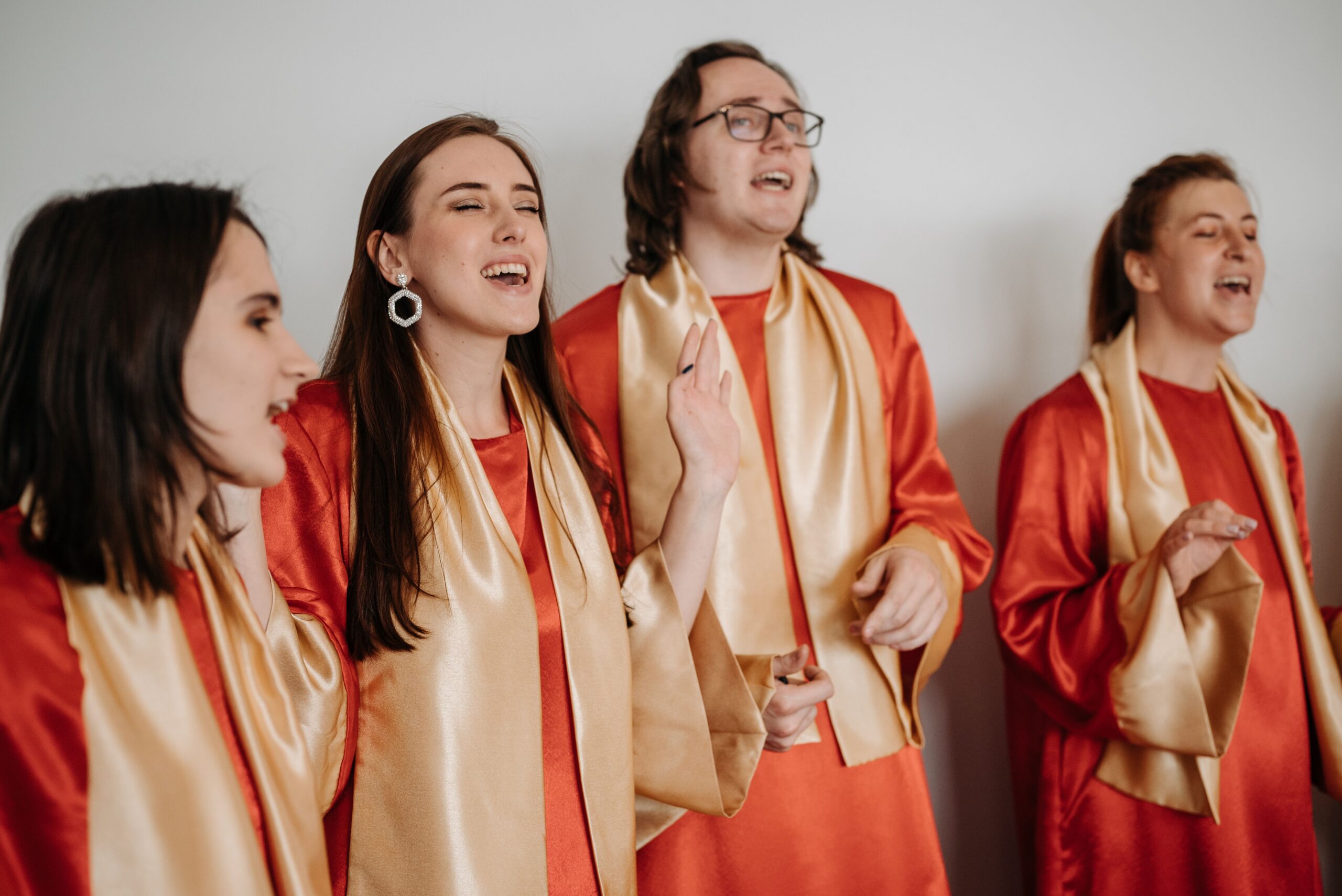
Singing is usually thought of as entertainment. We sing in the shower, hum while cooking, sing along with the radio or join friends for a few songs. It feels good, but could it also affect the way our bodies respond to stress and infection?
There is some intriguing science behind that idea.
Researchers have studied what happens to the immune system when people actively sing, particularly in groups such as community choirs. One measure that has received attention is secretory immunoglobulin A (sIgA), an antibody found in saliva and other mucosal secretions.
sIgA is part of the body’s first-line immune defense. It helps protect the surfaces lining the mouth, nose and respiratory tract from invading microorganisms.
But there is an important caveat: a temporary rise in sIgA does not mean that singing prevents infections or makes someone immune to viruses. That distinction often disappears when preliminary findings are turned into catchy wellness headlines.
What Is sIgA and Why Does It Matter?
The respiratory tract is constantly exposed to the outside environment. Every breath brings particles, allergens and microorganisms into contact with the body’s mucosal surfaces.
Secretory IgA helps defend those surfaces by binding to pathogens and making it more difficult for them to attach to cells.
Unlike antibodies circulating throughout the bloodstream, sIgA operates directly at mucosal surfaces.
That makes it an interesting marker when researchers investigate whether stress, relaxation, exercise or social activities influence immune function.
However, immune health is enormously complicated. A single biomarker cannot capture the entire immune system.
A temporary change in salivary sIgA is therefore best understood as one biological signal, rather than proof that a person has become significantly more resistant to infection.
What Happens When We Sing?
Active singing involves considerably more than producing sound.
It requires controlled breathing, sustained exhalation, vocal-cord activity, concentration and often emotional engagement. When people sing together, there is another component: social interaction.
These factors may help explain why researchers have become interested in singing as a potential mind-body activity.
Some studies have reported changes in salivary immune markers after singing, including increases in sIgA. Other research has examined cortisol, mood and measures of psychological stress.
The results are interesting, but studies have generally been relatively small and have used different singing environments, durations and comparison groups.
That makes it difficult to say that exactly 60 minutes of singing will produce the same immune response in everyone.
Singing, Stress and the Immune System
The most convincing explanation may have less to do with singing directly “activating” immunity and more to do with its effects on stress and emotional wellbeing.
Chronic psychological stress can influence immune and inflammatory processes. When the body’s stress response remains activated for long periods, sleep, mood, metabolism and immune regulation can all be affected.
Singing may provide several ways to interrupt that cycle.
Controlled breathing can encourage slower, more regular respiration. Concentrating on music can shift attention away from everyday worries. Enjoyable singing can also produce a sense of accomplishment and emotional release.
And when singing happens in a group, the social experience may be especially valuable.
This does not mean that singing switches off stress hormones or directly “unlocks” immunity. Human physiology is more complicated than that. But activities that reduce stress and improve wellbeing can form part of a healthier overall lifestyle.
Why Group Singing Is Particularly Interesting
A choir is not simply a room full of people making music.
Participants are breathing together, listening to one another, coordinating timing and sharing an experience. That combination creates a powerful form of social participation.
Research into community singing has explored possible effects on mood, loneliness, anxiety and quality of life, including among people living with chronic illness and caregivers.
For someone who feels isolated, joining a choir may therefore provide benefits that have little to do with antibodies.
Regular social contact can support mental health, while having a structured activity gives people something to look forward to.
Those benefits matter because depression, loneliness, chronic stress and poor sleep are themselves important contemporary health concerns.
What About the Famous “240% Increase”?
This is where readers should slow down.
A large percentage increase in a biological marker can sound extraordinary, but it does not necessarily translate into a similarly dramatic improvement in health.
Researchers may measure sIgA before and after an activity and observe a substantial relative change. That does not mean the person’s overall ability to fight infections increased by the same percentage.
There is also natural variation in immune markers from one person to another.
Factors such as hydration, time of day, recent activity, stress and individual health can influence measurements.
Most importantly, there is not enough evidence to say that singing prevents colds, influenza, COVID-19 or other respiratory infections.
Singing should be viewed as a potentially beneficial activity—not an alternative to vaccination, medical treatment, good hygiene or appropriate care when someone is sick.
Singing May Also Be a Gentle Form of Breathing Exercise
There is another practical reason singing may be useful.
Holding musical phrases requires people to control their breathing and extend their exhalation. Regular singing can therefore encourage awareness of respiratory patterns and breath control.
This has attracted interest in respiratory rehabilitation and community singing programs, particularly for people dealing with conditions such as chronic respiratory disease.
But people with lung or heart conditions should not assume that singing is automatically appropriate as an exercise program. Anyone with significant breathlessness or a diagnosed respiratory condition should discuss new exercise or rehabilitation activities with a healthcare professional.
You Don’t Need a Great Voice
Perhaps the most appealing thing about singing is that there is no requirement to be good at it.
You don’t need professional vocal training, expensive equipment or a concert stage.
You can sing quietly while getting ready in the morning, hum while walking, sing with your family or participate in a community choir.
The goal shouldn’t be to chase a specific immune percentage.
Instead, think about singing as another enjoyable way to move your attention away from constant stress, engage your breathing and connect with other people.
A Simple Health Habit With Few Barriers
Modern health advice can sometimes become unnecessarily complicated.
People are encouraged to buy supplements, track dozens of biomarkers and follow increasingly elaborate wellness routines.
Singing offers a refreshing contrast.
It is inexpensive, accessible and enjoyable for many people. It can provide physical engagement, emotional expression and social connection at the same time.
If singing makes you happier and helps you relax, those are meaningful health benefits even if future research ultimately shows that its direct effects on immune function are smaller than early studies suggest.
The Bottom Line
The idea that singing can influence the immune system is scientifically interesting, but it is not yet a proven infection-prevention strategy.
Research suggests that active singing may temporarily affect immune markers such as salivary sIgA and may also influence stress and emotional wellbeing. Group singing may add another layer through social connection.
But a rise in an immune biomarker should not be confused with protection from disease.
So sing because you enjoy it. Sing with friends. Join a choir if that sounds appealing. Use music as a way to breathe, connect and take a break from everyday pressure.
Just don’t worry about hitting a particular number of minutes or expecting your next song to become a medical treatment.
Sometimes the healthiest habit is simply one that makes you feel a little more human.
Photo by Pavel Danilyuk: https://www.pexels.com/photo/religious-choir-while-singing-8815039/