

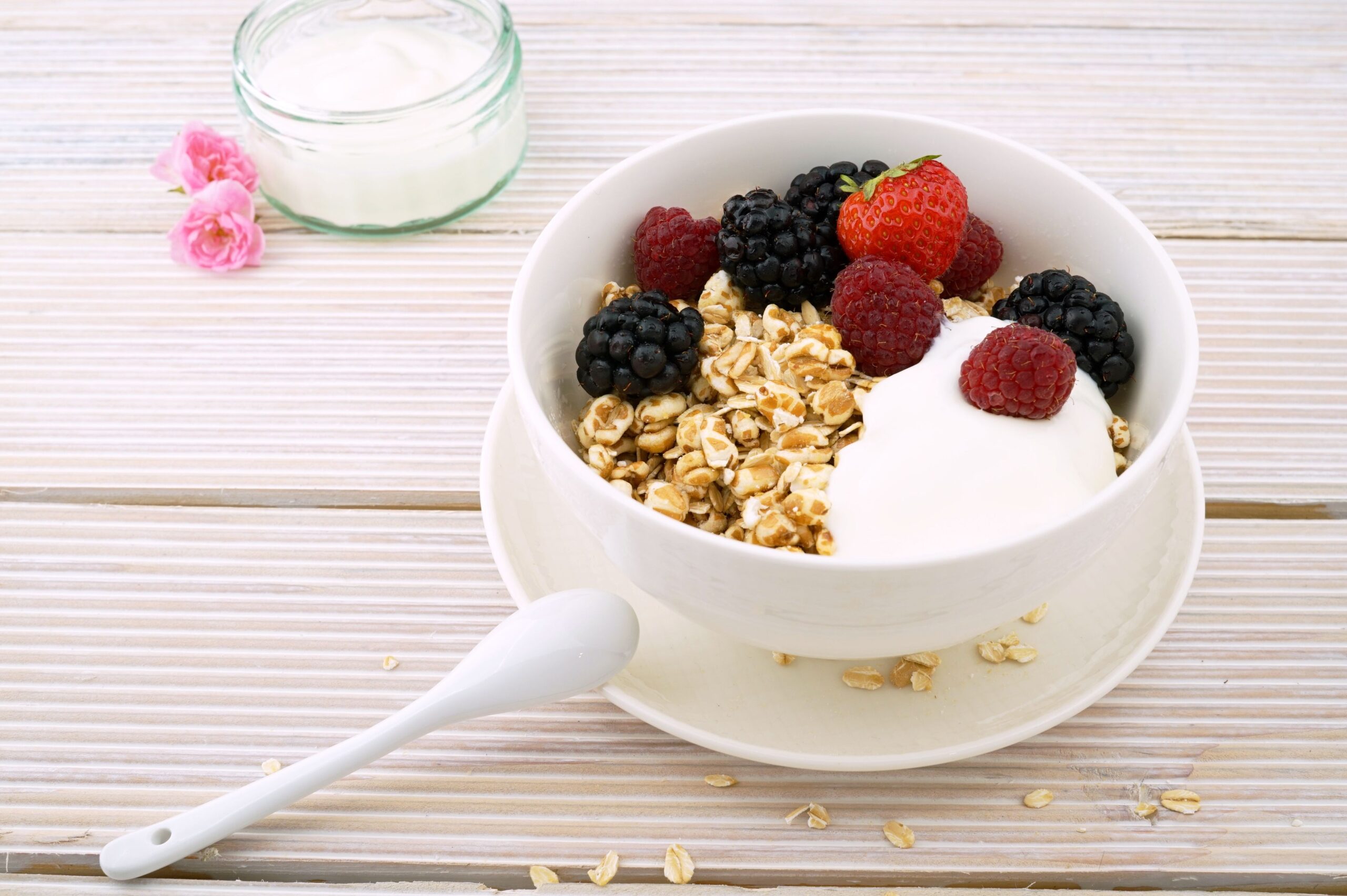
A humble bowl of oats is attracting serious attention for one reason: its soluble fiber can lower LDL cholesterol. But the real science is more interesting—and more complicated—than the viral “two-day cholesterol reset” claim.
What If Your Next Cholesterol-Lowering Move Is Already in Your Kitchen?
Cholesterol problems rarely announce themselves.
You can feel perfectly normal while LDL cholesterol quietly builds up in your bloodstream. Over time, persistently elevated LDL can contribute to plaque formation in the arteries and increase cardiovascular risk.
That is why the idea of lowering cholesterol through something as ordinary as oatmeal sounds almost too good to be true.
Online health claims have pushed the idea even further: eat oats for 48 hours and you can supposedly “reset” your cholesterol and metabolism.
There is a real scientific story underneath that sensational claim—but it isn’t quite that simple.
Oats genuinely contain a cholesterol-lowering component called beta-glucan, and clinical research supports its ability to modestly reduce LDL cholesterol. What researchers have not established is that everyone can dramatically lower LDL in just 48 hours.
The difference between those two statements is important.
The good news may actually be better than the gimmick: you don’t need a miracle reset to make oats useful.
The Tiny Fiber Inside Oats That Gets Researchers Interested
Oats look ordinary.
Their effects inside the digestive system are anything but boring.
One of their most important components is beta-glucan, a soluble fiber that becomes thick and viscous when it mixes with fluid in the digestive tract.
That changes what happens to bile acids.
Your liver uses cholesterol to make bile acids, which help your body digest dietary fat. Normally, many of those bile acids are reabsorbed in the intestine and returned to the liver.
Beta-glucan can interfere with that recycling process.
More bile acids leave the body through digestion, and the liver then has to manufacture replacements. To help do that, it draws on cholesterol.
That increased demand can contribute to lower levels of circulating LDL cholesterol.
This isn’t simply a wellness theory. Randomized clinical trials and systematic reviews have found that oat beta-glucan can produce modest reductions in LDL and total cholesterol.
And that is where the ordinary bowl of oatmeal suddenly becomes much more interesting.
But Can Oats Really Change Cholesterol in 48 Hours?
Here’s where the viral “oat reset” story needs a reality check.
Cholesterol metabolism can respond to dietary changes relatively quickly, but the strongest evidence for meaningful LDL reductions from oats generally comes from regular consumption over weeks, not a guaranteed transformation after two days.
A systematic review of oat-based interventions found improvements in LDL cholesterol, but the studies included interventions lasting at least several weeks.
So eating oatmeal on Monday and expecting a dramatic cholesterol transformation by Wednesday is not a conclusion supported by current evidence.
What can happen quickly is a change in your dietary environment.
If oats replace a breakfast dominated by refined carbohydrates, pastries, processed meats or foods high in saturated fat, you may immediately be changing the amount and quality of fiber, fat and carbohydrates entering your diet.
But the measurable change in your blood cholesterol is a longer-term story.
Your Gut May Be Another Piece of the Puzzle
The cholesterol story doesn’t stop in your intestine.
Your gut contains trillions of microorganisms that interact with the food you eat. Dietary fibers such as beta-glucan can be fermented by gut microbes, producing metabolites known as short-chain fatty acids.
Researchers are increasingly investigating how these microbial metabolites influence metabolism, inflammation and cardiovascular health.
This has led to an intriguing possibility: some of the benefits associated with high-fiber foods may involve not only what fiber does physically in the digestive tract, but also how it changes microbial activity.
But there is an important line between promising research and established fact.
Scientists are still working out exactly how individual foods reshape the microbiome and how those changes translate into long-term cardiovascular outcomes.
So calling two days of oatmeal a permanent “microbiome reset” goes beyond what the evidence currently proves.
The Most Important Question Isn’t “What Does Oatmeal Do?”
It is “What does oatmeal replace?”
Imagine two breakfasts.
The first contains a sugary pastry, processed meat and a sweetened coffee.
The second contains plain oats, berries, walnuts and seeds.
The difference isn’t simply the presence of oats.
The second meal provides more fiber and plant foods and can contain less saturated fat and added sugar, depending on the ingredients.
That bigger dietary pattern matters.
For people trying to improve cardiovascular health, oats work particularly well because they are inexpensive, filling and easy to combine with other nutritious foods.
Turn a Basic Bowl Into a Heart-Friendly Meal
If you’re going to eat oats, don’t turn them into dessert.
Start with plain rolled or steel-cut oats.
Then build the bowl around foods that add nutritional value.
Add berries or fruit. They provide fiber and other beneficial plant compounds.
Add nuts or seeds. Walnuts, chia seeds and ground flaxseed provide unsaturated fats and additional fiber.
Go easy on added sugar. A large amount of syrup, sugar or sweetened toppings can undermine the nutritional advantage of the meal.
Increase fiber gradually. If your current diet is low in fiber, suddenly eating very large amounts can cause bloating and digestive discomfort.
And remember that oatmeal isn’t the only way to consume oat beta-glucan. Oats can be incorporated into smoothies, savory dishes, overnight oats and other meals.
What About People With High LDL?
This is where the “miracle food” narrative can become dangerous.
If your LDL cholesterol is significantly elevated, don’t assume that eating oats means you no longer need medical evaluation.
High LDL can have multiple causes, including genetics, dietary factors and other health conditions. For some people, lifestyle changes are enough to make a meaningful difference. For others, medication may be recommended based on their individual cardiovascular risk.
Oats can complement that strategy.
They should not replace prescribed treatment or medical advice.
And there is no responsible reason to promise that a specific number of bowls will lower someone’s LDL by a specific percentage.
The Real Shock Isn’t That Oats Work Overnight
The more interesting lesson is that the body responds to what you repeatedly feed it.
You don’t need an exotic supplement, an expensive “detox,” or a refrigerator full of trendy superfoods to start building a more heart-friendly diet.
You can start with something sitting in almost any supermarket.
Oats.
Their beta-glucan content has been repeatedly studied, and the evidence supports a modest LDL-lowering effect when oats are consumed as part of a healthy diet.
But forget the idea of magically resetting your cholesterol in 48 hours.
The real power of oats is less dramatic—and arguably more useful.
One bowl probably won’t transform your cardiovascular health.
Thousands of healthier meals repeated over time might.
And that is the part of the oat story worth paying attention to.
Photo by Life Of Pix: https://www.pexels.com/photo/red-strawberry-and-raspberry-on-white-ceramic-bowl-128865/