

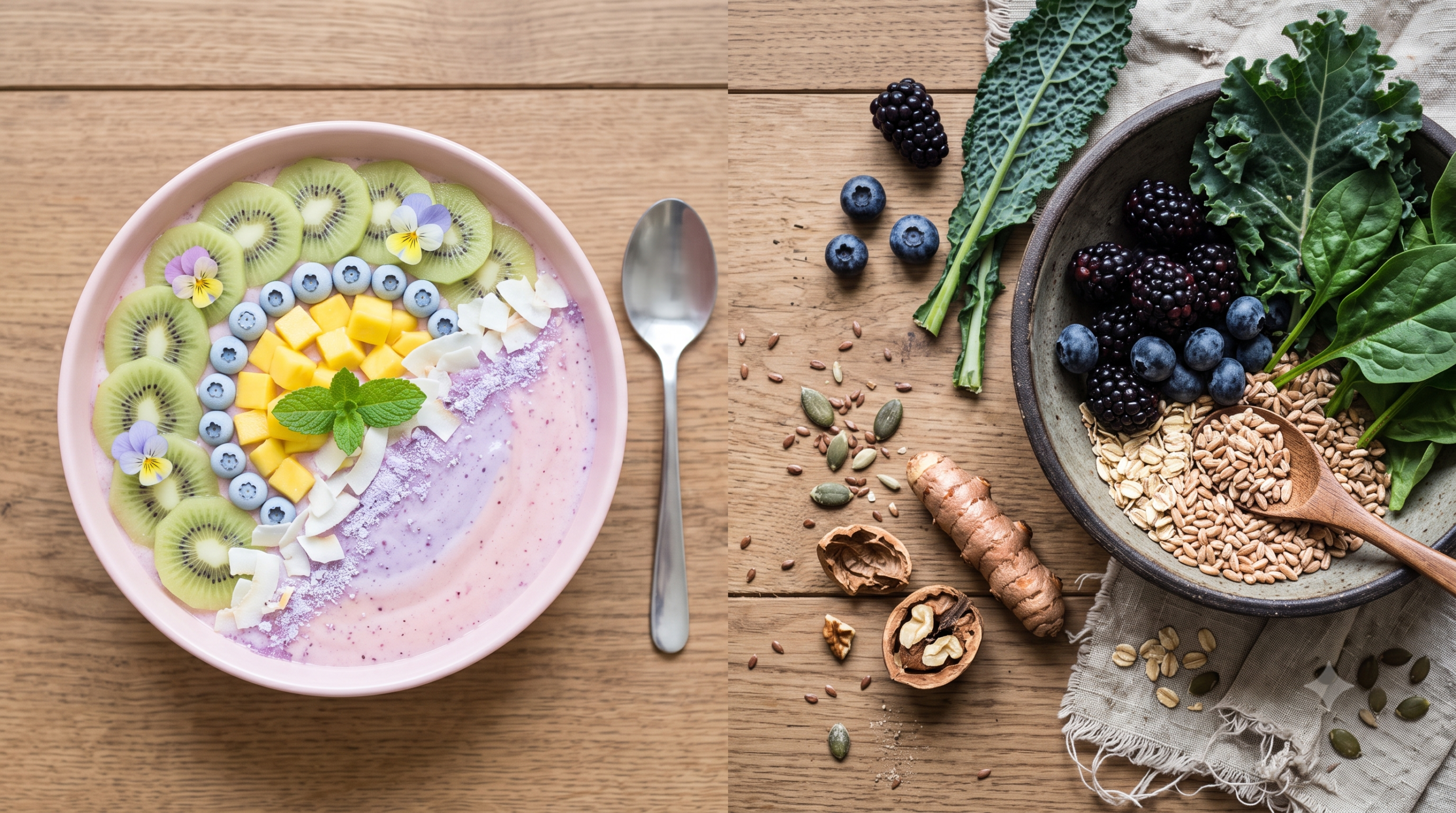
A colorful smoothie bowl arranged with perfect precision. A beautifully decorated dessert that looks almost too good to eat. A salad designed for Instagram before it’s designed for dinner.
Food has become more than nourishment—it has become content.
Social media has transformed the way many of us discover recipes, choose restaurants, and even decide what looks “healthy.” Eye-catching meals often earn millions of views, and beautifully presented dishes can inspire people to cook more or try new ingredients.
But nutrition experts say there’s an important question worth asking:
Are we sometimes judging food by how it looks rather than what it offers nutritionally?
While appearance can certainly make meals more enjoyable, researchers continue to explore how visual trends, food processing, and marketing may influence our eating habits.
Why Attractive Food Is So Hard to Resist
Humans have always eaten with their eyes first.
Long before the first bite, seeing an appealing meal can stimulate saliva production and prepare the digestive system for eating—a natural response known as the cephalic phase of digestion.
Food companies and restaurants have long understood this, but social media has taken visual appeal to another level.
Perfect lighting, flawless presentation, and vibrant colors often attract more attention online than meals that are less polished but equally nutritious.
When “Healthy Looking” Doesn’t Always Mean Healthy
Many foods promoted on social media genuinely contain nutritious ingredients.
However, experts note that appearance alone doesn’t tell the full story.
Some visually appealing products may also contain:
- Added sugars
- Refined starches
- Artificial colorings
- Stabilizers or emulsifiers
- Highly processed ingredients
At the same time, many nutrient-rich foods—such as homemade soups, stews, beans, or roasted vegetables—may not photograph as dramatically but still provide excellent nutritional value.
Nutrition professionals recommend looking beyond presentation and checking ingredient lists and nutrition labels whenever possible.
The Rise of Designer Foods
Advances in food technology have made it possible to create remarkably detailed cakes, chocolates, beverages, and snacks.
These products often showcase impressive craftsmanship and creativity, particularly for celebrations and special occasions.
To achieve certain textures, colors, or long-lasting designs, manufacturers may use ingredients that improve stability or consistency, such as emulsifiers, thickeners, or food-grade color additives.
Many of these ingredients are approved for use by food safety regulators. Researchers continue to study how different food additives may affect health when consumed over long periods, particularly as part of diets high in ultra-processed foods.
Whole Foods Still Matter
Dietitians consistently recommend building most meals around minimally processed foods, including:
- Fruits
- Vegetables
- Whole grains
- Legumes
- Nuts and seeds
- Lean proteins
These foods naturally provide fiber, vitamins, minerals, and plant compounds that work together in ways isolated nutrients often cannot replicate.
That doesn’t mean beautifully decorated desserts or specialty treats need to disappear from your life.
Instead, many nutrition experts encourage viewing them as occasional indulgences rather than everyday staples.
Finding a Healthy Balance
There’s nothing wrong with enjoying beautiful food.
Presentation can make meals more enjoyable, encourage cooking at home, and even inspire healthier eating habits.
The challenge comes when appearance becomes the primary measure of quality.
A simple home-cooked meal may not earn thousands of likes online—but it could still provide exactly what your body needs.
In the end, healthy eating isn’t a photography contest.
It’s about developing habits that support your long-term well-being, regardless of whether anyone else ever sees what’s on your plate.
What Do You Think?
📸 Have social media food trends ever inspired you to try a healthier recipe—or tempted you to buy something that looked healthier than it actually was?
Share your thoughts in the comments. We’d love to hear your experience.
Editorial Note
This article is intended for educational and informational purposes only. It summarizes current nutrition research and expert guidance but is not a substitute for personalized medical or dietary advice. If you have questions about your diet or health, consult a qualified healthcare professional.