

As we grow older, it’s natural to notice small changes in the way our brain works. You might walk into a room and forget why you went there, struggle to recall a familiar name, or find it harder to concentrate after a busy day. While occasional forgetfulness is a normal part of aging, many people wonder if there’s anything they can do to keep their minds sharp for longer.
The encouraging news is that brain health isn’t determined by age alone. Scientists now know that the choices we make every day—especially what we eat, how we move, and how well we sleep—can have a meaningful impact on how our brains age.
One area attracting growing attention is the role of naturally occurring plant compounds called flavonoids. A large study published in the Proceedings of the National Academy of Sciences (PNAS) suggests these nutrients may help protect memory and thinking skills as we get older, particularly in people whose diets are low in flavonoids.
While these compounds aren’t miracle cures, they are another reminder that everyday foods can play an important role in supporting long-term brain health.
What Are Flavonoids and Why Do They Matter?
These natural plant compounds help defend plants—and may also help protect the human brain.
Flavonoids are naturally occurring compounds found in fruits, vegetables, tea, cocoa, and many other plant-based foods. Plants produce them to protect themselves from sunlight, insects, and environmental stress.
When we eat these foods, we benefit too.
Researchers have identified thousands of different flavonoids, but several appear particularly beneficial for brain health. Among them are flavanols, which are found in foods such as:
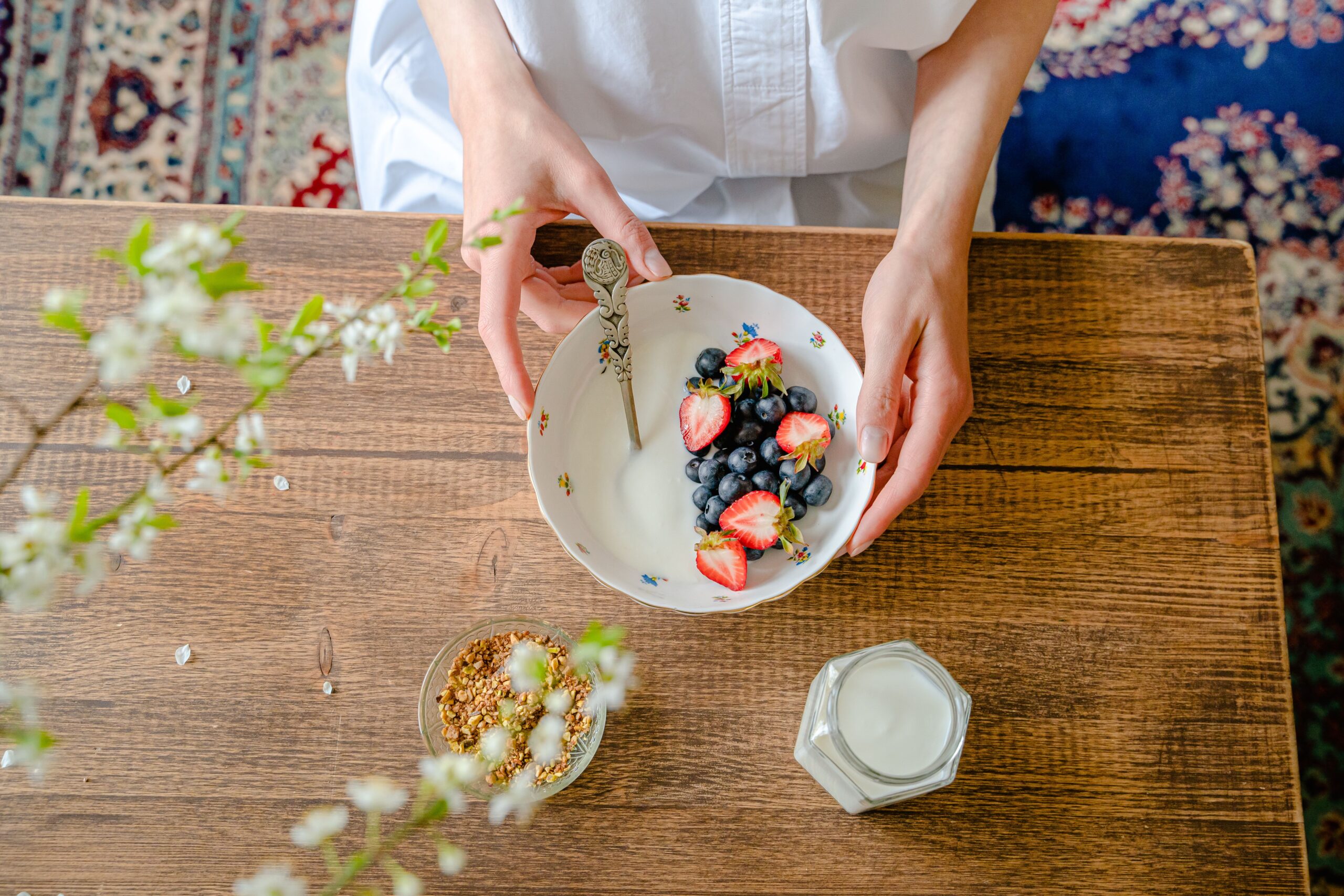
- Blueberries and strawberries
- Apples
- Citrus fruits
- Green and black tea
- Dark chocolate
- Spinach and kale
- Grapes
These foods have long been associated with healthy diets, but scientists are now beginning to understand exactly how they may support the brain.
Why the Brain Needs Extra Protection
Although the brain makes up only about 2% of body weight, it consumes roughly 20% of the body’s energy. That constant activity naturally produces unstable molecules called free radicals.
Normally, the body can neutralize these molecules. But as we age—or when our diet is poor, stress is high, or sleep is lacking—free radicals can accumulate and damage brain cells through a process known as oxidative stress.
Another challenge is chronic inflammation. Low-grade inflammation may interfere with communication between brain cells, gradually affecting memory, learning, and concentration.
Together, oxidative stress and inflammation are considered important contributors to age-related cognitive decline.
How Flavonoids Support Brain Health
Researchers believe flavonoids support the brain in multiple ways.
They act as antioxidants
Flavonoids help neutralize free radicals before they damage neurons and other brain cells. This protective effect may help preserve healthy brain tissue over time.
They help reduce inflammation
Certain flavonoids appear to calm the activity of microglia—the immune cells of the brain. When these cells become overactive, they release inflammatory chemicals that may harm healthy neurons.
They improve blood flow
One of the most promising findings is that flavanols encourage the production of nitric oxide, a molecule that relaxes blood vessels.
Better circulation allows more oxygen and nutrients to reach important brain regions responsible for learning and memory, including the hippocampus.
They may strengthen communication between brain cells
Emerging research suggests flavonoids support neuroplasticity—the brain’s ability to form new neural connections. This process is essential for learning, adapting, and storing memories throughout life.
What the Latest Research Found
The recent PNAS study examined whether increasing flavanol intake could improve memory in older adults.
Researchers found that participants who started with relatively low dietary flavanol intake experienced measurable improvements in memory after increasing their consumption.
Interestingly, people who already consumed flavonoid-rich diets showed fewer changes, suggesting that these compounds may be especially valuable for those who aren’t getting enough through everyday foods.
The findings reinforce an important public health message: brain-friendly nutrition doesn’t require expensive supplements. Often, simple dietary improvements may make a meaningful difference.
Everyday Foods That Feed Your Brain
Fortunately, flavonoids are found in many foods that are already easy to include in daily meals.
| Food | Brain-Friendly Compounds | Potential Benefits |
|---|---|---|
| Blueberries | Anthocyanins | Support memory and learning |
| Strawberries | Anthocyanins | Help protect neurons |
| Green tea | Catechins | Promote focus and reduce oxidative stress |
| Dark chocolate (70% cocoa or higher) | Cocoa flavanols | Improve blood flow to the brain |
| Apples | Quercetin | Support healthy brain cells |
| Citrus fruits | Hesperidin | Promote healthy circulation |
| Spinach and kale | Lutein and kaempferol | Associated with slower cognitive decline |
| Grapes | Resveratrol and flavonoids | Help protect blood vessels |
The key isn’t eating large amounts of one “superfood.” Instead, experts recommend enjoying a wide variety of colorful plant foods throughout the week.
Brain Health Is About More Than Food
No single nutrient can prevent dementia or guarantee lifelong memory.
Instead, scientists emphasize that diet works together with other lifestyle habits.
Regular physical activity improves blood flow and stimulates brain-derived neurotrophic factor (BDNF), a protein that supports the growth and survival of brain cells.
Quality sleep allows the brain to remove waste products that build up during the day while strengthening newly formed memories.
Keeping mentally active through reading, puzzles, learning new skills, or playing a musical instrument helps build what researchers call cognitive reserve—the brain’s ability to compensate for age-related changes.
Social interaction is equally important. Meaningful conversations, friendships, and community involvement reduce chronic stress and provide valuable mental stimulation.
Together, these habits create a stronger foundation for healthy brain aging than any single intervention alone.
Easy Ways to Add More Flavonoids to Your Day
Supporting your brain doesn’t require a complete diet makeover.
Try a few simple adjustments:
- Add berries to your breakfast cereal, oatmeal, or yogurt.
- Replace one sugary snack with a small square of dark chocolate.
- Enjoy green or black tea during the afternoon.
- Include leafy greens in salads, soups, or sandwiches.
- Snack on apples or citrus fruits instead of processed foods.
- Fill at least half your plate with colorful vegetables at lunch and dinner.
Over weeks, months, and years, these small habits can add up to meaningful health benefits.
Our brains change throughout life, but they also remain remarkably adaptable. Research continues to show that healthy eating patterns rich in fruits, vegetables, tea, cocoa, and other plant foods can help support memory, focus, and healthy aging.
Flavonoids aren’t a cure for Alzheimer’s disease or other forms of dementia, but they represent one practical, evidence-based way to care for your brain every day.
Combined with regular exercise, restorative sleep, lifelong learning, and meaningful social connections, these nutrient-rich foods can become part of a lifestyle that supports cognitive health for years to come.
The best part is that many of these brain-friendly choices are already sitting in your kitchen. Every colorful meal, every cup of tea, and every handful of berries is a small investment in one of your body’s most remarkable organs—your brain.
Source: Holland, T. M., et al. Proceedings of the National Academy of Sciences (PNAS). Study on dietary flavanols and cognitive aging.
Photo by AI25.Studio Studio: https://www.pexels.com/photo/hands-holding-a-bowl-with-milk-and-berries-4397248/