

A root canal is often viewed as a dental procedure designed to relieve pain and save a damaged tooth. But emerging research is revealing that its benefits may extend well beyond the mouth. Scientists are finding that treating chronic dental infections can reduce inflammation throughout the body, potentially supporting healthier blood sugar levels and lowering the risk of cardiovascular disease.
Most people think of oral health and overall health as two separate things. If you have a toothache, you visit the dentist. If you have high cholesterol or diabetes, you see your doctor. But growing evidence shows these two areas are more connected than we once believed.
A recent study from King’s College London adds to this understanding, suggesting that successfully treating an infected tooth through root canal therapy may improve markers associated with heart and metabolic health. While researchers stress that a root canal is not a treatment for heart disease or diabetes, eliminating chronic oral infections may help reduce the ongoing inflammation that contributes to these conditions.
Why a Tooth Infection Affects More Than Your Mouth
Inside every tooth is a soft tissue called the pulp, which contains nerves and blood vessels. When bacteria enter through deep decay, a cracked tooth, or injury, the pulp can become infected. If left untreated, the infection spreads beyond the root tip into the surrounding bone—a condition known as apical periodontitis.
Unlike a small cut on your skin, this infection sits in an area filled with tiny blood vessels. As bacteria multiply, they release toxins and inflammatory substances that can enter the bloodstream.
Your immune system responds by remaining on constant alert. Over time, this low-grade inflammation doesn’t stay confined to the mouth—it can affect blood vessels, metabolism, and other organs throughout the body.
This growing understanding has transformed how experts think about oral health. Increasingly, dentists and physicians recognize that a healthy mouth contributes to a healthier body.
What the Research Found
Researchers at King’s College London followed patients for two years after they underwent successful root canal treatment. Using advanced blood analysis, they monitored changes in several markers linked to overall health.
They found encouraging improvements after the dental infection had healed.
Among the most notable observations were:
- Better regulation of blood glucose levels.
- Healthier cholesterol and lipid profiles.
- Reduced levels of inflammatory markers circulating in the bloodstream.
These changes suggest that removing a chronic source of infection may allow the body to return to a healthier balance.
The researchers believe this happens because the immune system no longer has to fight a persistent bacterial infection day after day. Once the infection is eliminated, inflammation gradually settles, easing stress on multiple body systems.
The Connection Between Inflammation, Heart Disease and Diabetes
Inflammation is one of the body’s most important defense mechanisms. It helps heal injuries and fight infections. However, when inflammation continues for months or years, it can become harmful.
Long-term inflammation has been associated with:
- Atherosclerosis (hardening of the arteries)
- High blood pressure
- Insulin resistance
- Type 2 diabetes
- Heart attacks and strokes
A chronic dental infection acts like a slow-burning fire that keeps the immune system activated.
Scientists believe this constant inflammatory activity may influence how the body processes glucose and fats, making it more difficult to maintain healthy blood sugar and cholesterol levels.
Although many factors contribute to heart disease and diabetes—including diet, exercise, genetics, smoking, and body weight—oral infections may represent another piece of this complex puzzle.
Why Root Canal Treatment Matters
Root canal therapy often has an undeserved reputation as something to fear. In reality, modern root canal treatment is designed to remove infected tissue, disinfect the inside of the tooth, and seal it to prevent future infection.
The goal is not only to relieve pain but also to preserve the natural tooth whenever possible.
Saving your own tooth offers several advantages:
- Restores comfortable chewing.
- Prevents infection from spreading.
- Maintains the natural alignment of surrounding teeth.
- Eliminates an ongoing source of inflammation.
Rather than viewing a root canal as simply “fixing a bad tooth,” many dental professionals now see it as part of protecting long-term health.
Signs You Shouldn’t Ignore
Because dental infections can sometimes develop quietly, it’s important to recognize early warning signs.
Seek dental care if you notice:
- Persistent tooth pain
- Pain when biting or chewing
- Sensitivity to hot or cold that lingers
- Swollen or tender gums
- A pimple-like bump on the gums
- Facial swelling
- A darkened or discolored tooth
In some cases, infected teeth cause little or no pain until the infection becomes advanced, making routine dental checkups especially important.
Taking Care of Your Mouth Supports Your Whole Body
Good oral hygiene remains one of the simplest ways to protect your overall health.
Healthy habits include:
- Brushing twice a day with fluoride toothpaste.
- Cleaning between teeth daily with floss or interdental brushes.
- Visiting your dentist for regular checkups and cleanings.
- Treating cavities and gum disease promptly.
- Limiting sugary foods and drinks.
- Avoiding tobacco products.
If you have diabetes, heart disease, or other chronic conditions, maintaining excellent oral health becomes even more important, as these conditions often influence one another.
Looking at Health as One Connected System
The relationship between oral health and overall health is an area of active research. While studies continue to explore exactly how dental infections influence the rest of the body, one message is becoming increasingly clear: the mouth is not separate from the rest of us.
A healthy smile is about more than appearance. It reflects the health of tissues, blood vessels, and immune responses that affect the entire body.
Treating an infected tooth may not only preserve your natural smile—it may also help reduce chronic inflammation and support better heart and metabolic health for years to come.
As medicine continues moving toward a more holistic approach, dentists and physicians are working together more closely than ever, recognizing that protecting your oral health is an important investment in your overall well-being.
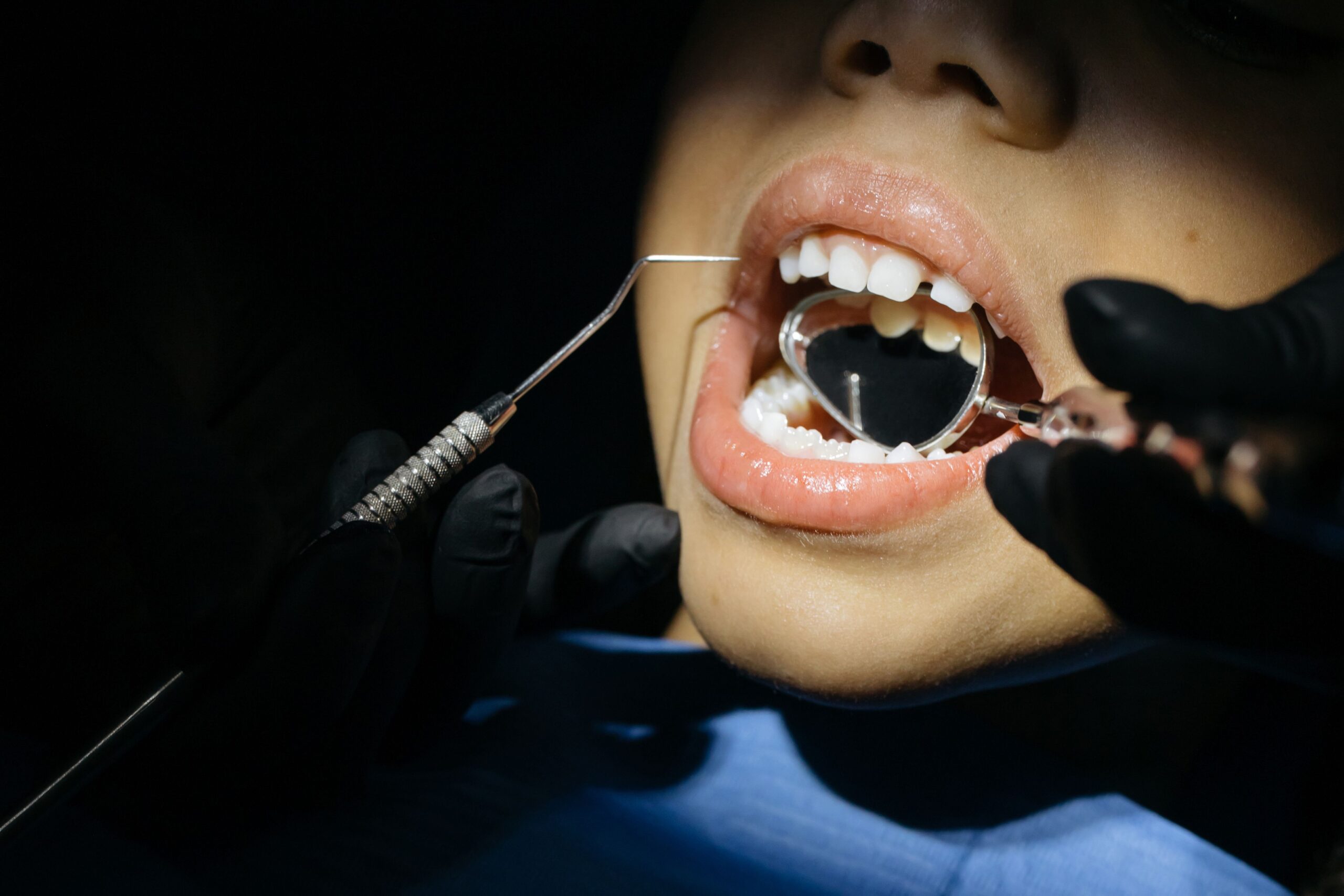
Photo by cottonbro studio: https://www.pexels.com/photo/close-up-shot-of-a-kid-having-dental-checkup-6502542/