

When most of us think about our bones, we picture something solid and unchanging—a framework that supports our body, protects vital organs, and helps us move. But scientists are uncovering a remarkable truth: our skeleton is far more active than we once believed.
Rather than acting as a passive structure, bones are constantly communicating with other organs throughout the body, including the brain. This two-way communication system, known as the bone–brain axis, is becoming one of the most exciting areas of modern medical research. It is also helping researchers understand why conditions like depression, memory decline, and osteoporosis often appear together.
While many questions remain, the growing evidence suggests that keeping your bones healthy may benefit your brain—and caring for your mental health may protect your skeleton as well.
Bones Are More Than a Framework
For decades, bones were viewed mainly as storage sites for calcium and minerals. Today, researchers know they also function as endocrine organs, meaning they produce hormones that travel through the bloodstream and influence other parts of the body.
One hormone attracting particular attention is osteocalcin, which is produced by bone-forming cells called osteoblasts.
Studies suggest that osteocalcin is capable of crossing the blood-brain barrier, where it appears to influence several important brain functions.
Researchers believe it may help:
- Support memory and learning
- Regulate mood by interacting with neurotransmitters such as serotonin and dopamine
- Reduce inflammation that can affect brain health
- Promote healthy communication between brain cells
Although scientists are still studying exactly how these processes work in humans, the findings point to an important idea: healthy bones may contribute to healthy brain function.
The Brain Also Influences Bone Health
The communication doesn’t travel in only one direction.
Just as bones send signals to the brain, the brain can affect how bones are built and maintained.
When we experience ongoing stress, anxiety, or depression, the body produces larger amounts of stress hormones—particularly cortisol. While cortisol is helpful during short periods of stress, chronically high levels can interfere with normal bone remodeling.
Healthy bones are constantly renewing themselves through a balance between two types of cells:
- Osteoblasts, which build new bone.
- Osteoclasts, which break down old bone.
Long-term exposure to elevated cortisol can slow the activity of osteoblasts while increasing the activity of osteoclasts. Over time, this imbalance may reduce bone density and increase the risk of osteoporosis and fractures.
Researchers have observed that people living with chronic depression often have lower bone mineral density than those without mood disorders, even after accounting for factors such as age, exercise, and nutrition.
Why This Discovery Matters
The bone–brain axis is encouraging healthcare professionals to think differently about overall wellness.
Instead of viewing mental health and bone health as completely separate issues, researchers are exploring how they influence one another throughout life.
For example, improving physical activity may strengthen bones while also boosting mood. Likewise, managing chronic stress may not only benefit emotional well-being but also reduce long-term bone loss.
Although researchers are still working to understand the full biological pathways involved, this integrated approach could eventually improve how conditions such as osteoporosis, cognitive decline, and depression are prevented and treated.
Everyday Habits That Support Both Bones and Brain
The encouraging news is that many of the same healthy lifestyle habits benefit both systems at the same time.
Stay physically active. Weight-bearing exercises such as walking, jogging, dancing, hiking, and strength training encourage bones to stay strong while also improving blood flow to the brain and supporting mental health.
Eat a nutrient-rich diet. Calcium, vitamin D, vitamin K, magnesium, and adequate protein provide the building blocks needed for healthy bone remodeling while supporting overall body function.
Manage stress. Chronic stress affects nearly every organ in the body. Activities such as mindfulness, yoga, deep breathing, spending time outdoors, and getting enough sleep can help keep cortisol levels under control.
Prioritize sleep. During sleep, the body carries out many repair processes, including those involved in hormone regulation, brain recovery, and tissue maintenance.
Address mental health concerns early. If feelings of anxiety or depression persist, seeking professional support can improve quality of life while potentially protecting long-term physical health as well.
Looking Ahead
The bone–brain axis is still an emerging field of research, and scientists caution that much remains to be learned. Most current findings come from laboratory studies and observational research, and further clinical studies are needed to better understand how bone-derived hormones influence human brain health.
Even so, the discoveries are reshaping the way we think about the skeleton. Rather than serving only as the body’s support system, our bones appear to play an active role in communication, metabolism, and overall well-being.
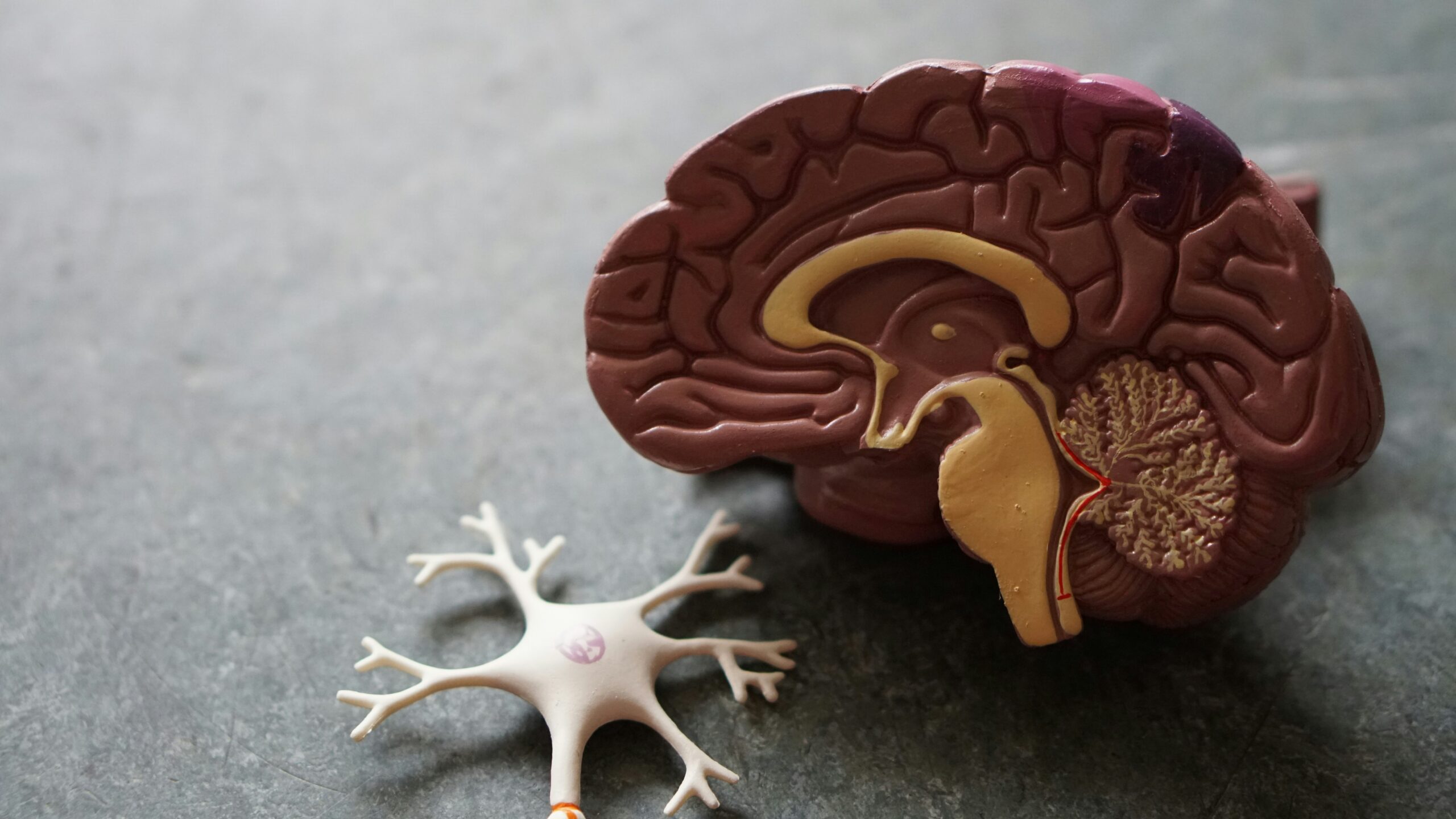
Photo by Robina Weermeijer on Unsplash