

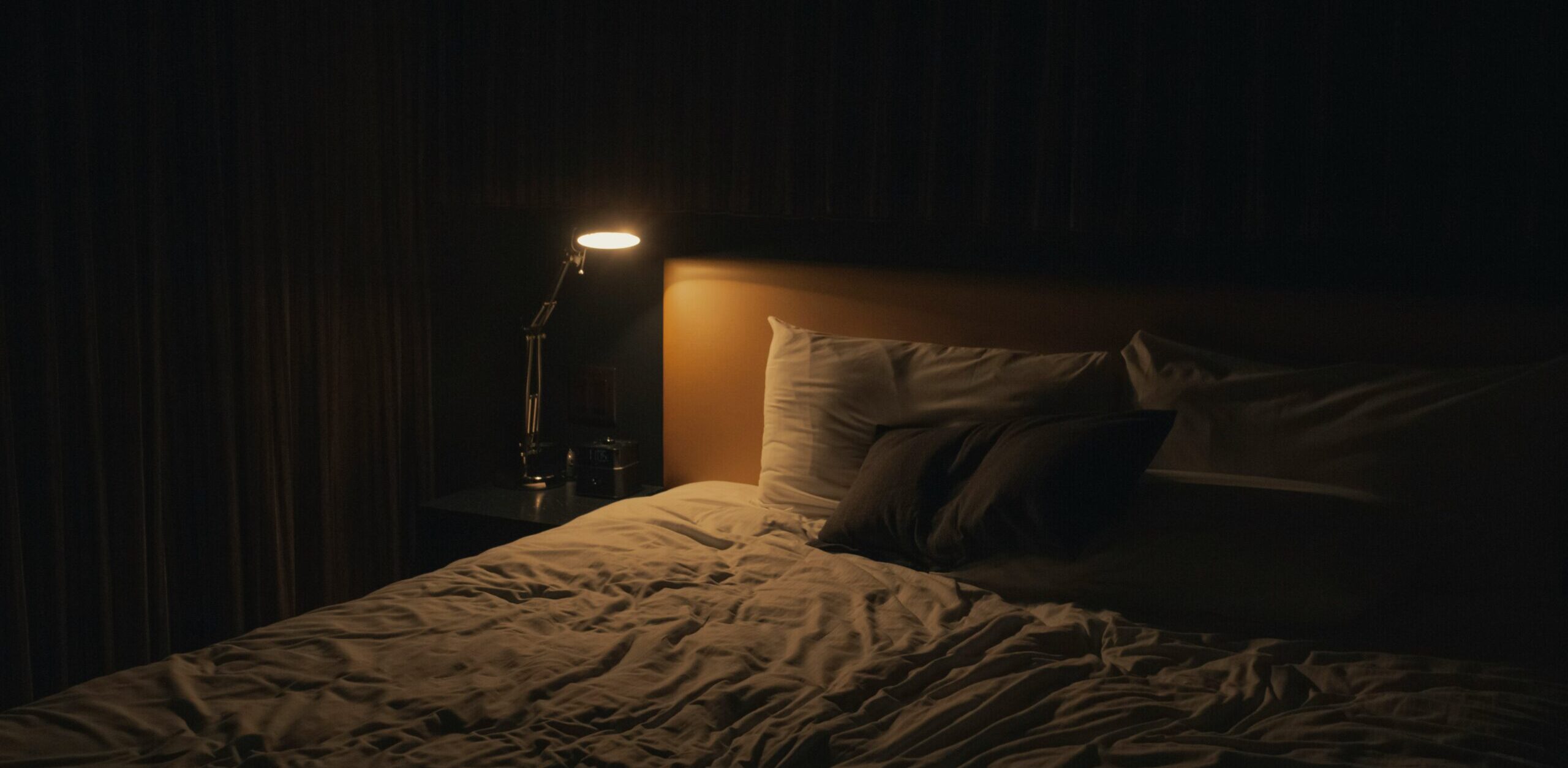
After a long day, most of us expect that simply climbing into bed is enough for a good night’s sleep. But one factor many people overlook is the amount of light in the bedroom.
From glowing alarm clocks and charging devices to light filtering through curtains, even small sources of artificial light may influence how your body prepares for sleep.
Creating a darker sleeping environment is a simple change that may help support healthier sleep habits.
Your Body Runs on an Internal Clock
Your body follows a natural circadian rhythm—an internal clock that helps regulate when you feel awake and when you feel sleepy.
As evening arrives and light levels decrease, your brain begins preparing for rest. One important part of this process involves the release of melatonin, a hormone that helps signal it’s time to sleep.
Exposure to bright light, especially during the evening or overnight, may interfere with this natural process.
Why Darkness Matters
Research suggests that reducing light exposure at night can help support healthy sleep patterns.
A darker room may help:
- Encourage natural melatonin production
- Make it easier to fall asleep
- Support deeper, more restorative sleep
- Reduce nighttime disruptions
- Help you wake feeling more refreshed
While many factors affect sleep quality, creating a sleep-friendly environment is one of the easiest adjustments you can make.
Small Sources of Light Can Add Up
Many bedrooms contain multiple light sources that often go unnoticed, including:
- Phone screens
- Television standby lights
- Digital alarm clocks
- Wi-Fi router indicators
- Charging devices
- Light from outside through windows
Reducing unnecessary light can help create a calmer environment that’s better suited for sleep.
Simple Ways to Make Your Bedroom Darker
You don’t need to completely redesign your bedroom to improve your sleep environment.
Use Blackout Curtains
Blackout curtains can help block outdoor lighting from streetlights, neighboring homes, or early morning sunlight.
Reduce Electronic Light
If possible:
- Turn off electronics you’re not using.
- Dim or cover bright indicator lights.
- Avoid checking your phone during the night.
Consider a Sleep Mask
A comfortable eye mask can be a helpful option, especially when traveling or sleeping in places where you can’t control the lighting.
Keep Screens Out of Bedtime
Limiting screen use before bed may also help reduce exposure to blue light, which can make it harder for some people to fall asleep.
Healthy Sleep Starts with Your Environment
Good sleep depends on many factors, including stress levels, exercise, diet, and consistent sleep schedules. Your bedroom environment also plays an important role.
Making your room darker is a simple, low-cost change that may support your body’s natural sleep cycle and help improve overall sleep quality over time.
If you’re looking for an easy way to improve your sleep routine, start by reducing light in your bedroom.
A darker sleeping space may help your body follow its natural rhythm, making it easier to fall asleep and enjoy more restful sleep throughout the night.
Note: If you regularly have difficulty sleeping or experience ongoing sleep problems, consider speaking with a healthcare professional to discuss possible underlying causes and appropriate treatment options.
Photo by Jp Valery on Unsplash