

Few things expose the limits of the human brain quite like a night without sleep.
After hours of wakefulness, concentration becomes harder. Reaction times slow. Memory can become unreliable. Even simple decisions may require considerably more effort.
For older adults, the problem can be particularly important. Sleep naturally changes with age, while conditions such as sleep apnea, chronic pain, medication effects and frequent nighttime urination can make consistently restorative sleep more difficult.
That has scientists asking an intriguing question: could nutrition temporarily help the sleep-deprived brain cope with some of the energy demands of prolonged wakefulness?
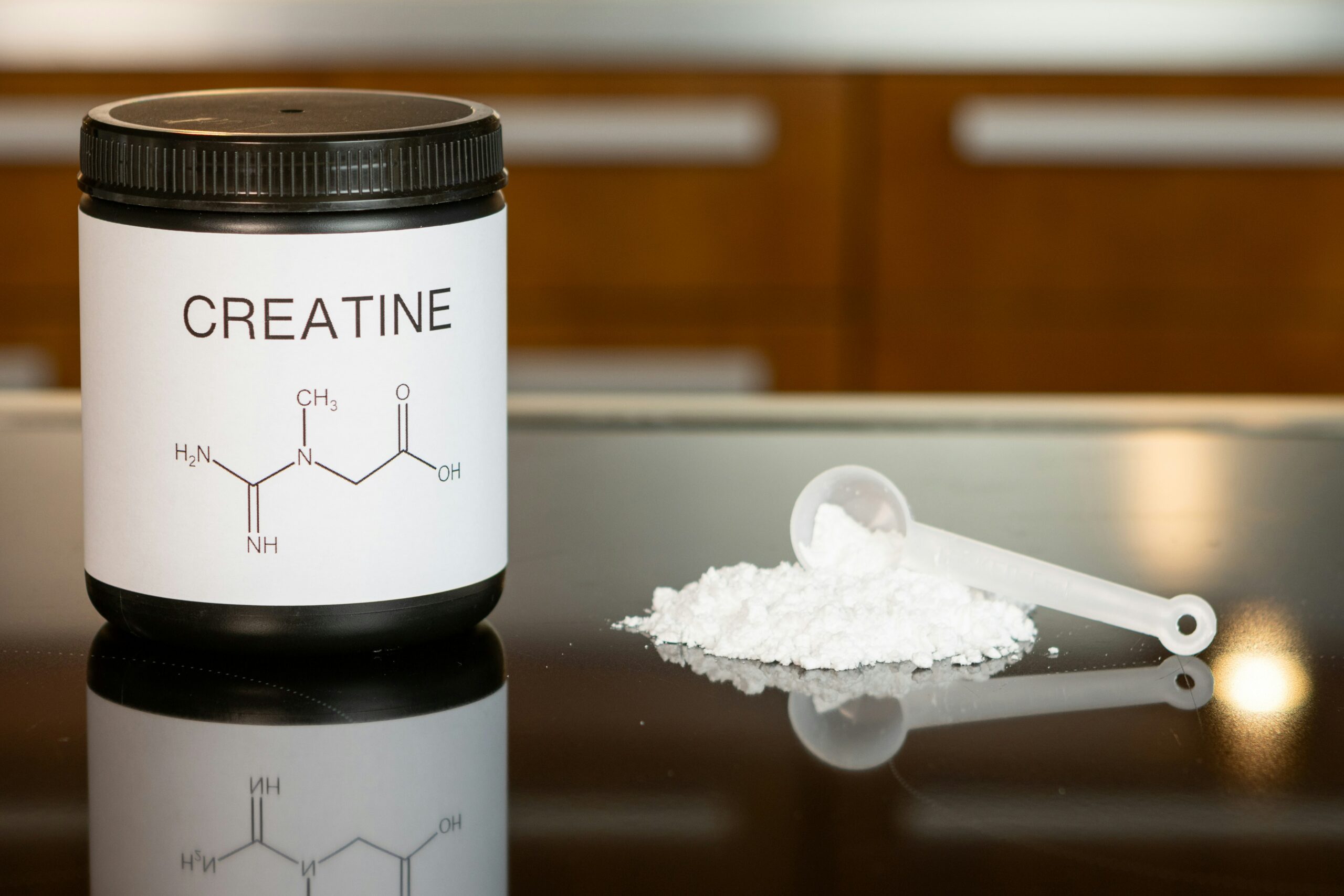
Creatine is one of the substances attracting attention.
HL: Why the Brain Needs So Much Energy
The brain represents only a small fraction of body weight, yet it consumes a remarkably large share of the body’s energy.
Neurons constantly need energy to maintain electrical gradients, communicate with one another and perform the basic work required for thought and movement.
A major source of that energy is ATP, the molecule cells use to power countless biological processes.
Creatine participates in the body’s energy-buffering system. Inside cells, creatine and phosphocreatine help rapidly regenerate ATP when energy demand rises.
That role has made creatine particularly familiar in sports nutrition.
But the same biochemical system exists in the brain.
Researchers have therefore become interested in whether increasing available creatine could help the brain cope with unusual metabolic stress—including prolonged sleep deprivation.
HL: What the Human Research Actually Found
A 2024 study published in Scientific Reports investigated whether an acute, relatively large dose of creatine could influence cognitive performance following prolonged sleep deprivation.
Participants underwent periods of substantial sleep loss and completed cognitive tests before and afterward.
The researchers reported improvements in several measures of cognitive performance following creatine administration.
That finding is interesting because it suggests that the brain’s creatine system may play a role in how humans respond to extreme sleep loss.
But there is an important distinction between improving performance on selected laboratory tests and making sleep deprivation safe.
The study does not establish that creatine allows people to function normally after going without sleep. Nor does it show that taking a large dose protects the brain, heart or immune system from the broader consequences of inadequate sleep.
Those distinctions matter.
HL: Creatine Is Not a Substitute for Sleep
This is perhaps the most important message to take away.
Sleep does far more than provide an opportunity for the brain to restore cellular energy.
During sleep, the body regulates numerous biological processes involving memory, hormones, metabolism, immune function and cardiovascular health.
A supplement may influence one part of the body’s energy system without reproducing everything that happens during natural sleep.
That means using creatine as a reason to deliberately stay awake for extremely long periods would be a mistake.
If someone is severely sleep-deprived, the safest response is still straightforward: sleep as soon as reasonably possible and avoid activities that require unimpaired alertness.
Driving while excessively sleepy, for example, can be dangerous regardless of whether someone has taken caffeine, creatine or another supplement.
HL: Why This Matters More as We Get Older
For older adults, the bigger health story may actually be the importance of identifying why sleep is being disrupted.
Occasional poor sleep is common. Persistent sleep problems deserve more attention.
Loud snoring, repeated nighttime awakenings, morning headaches, excessive daytime sleepiness or waking feeling unrefreshed can sometimes point toward sleep apnea.
Other possibilities include restless legs syndrome, medication effects, chronic pain, depression or anxiety, nighttime bathroom trips and irregular sleep schedules.
Instead of trying to compensate for chronic sleep loss with supplements, addressing the underlying problem can provide a much more meaningful health benefit.
A conversation with a doctor can help determine whether further evaluation is appropriate.
HL: Where Creatine Fits Into the Bigger Picture
Creatine remains an interesting nutritional compound beyond this particular sleep-deprivation experiment.
Research has examined creatine supplementation in areas including muscle function, physical performance and aspects of cognitive health.
However, results differ according to the population studied, dosage, duration and outcome being measured.
Older adults should be especially cautious about assuming that a research dose is automatically appropriate for them.
Kidney disease, medications, hydration status and other medical conditions can change whether supplementation is advisable.
Anyone considering creatine—particularly at doses substantially higher than ordinary dietary supplementation—should discuss it with a healthcare professional who knows their medical history.
HL: The Most Important Brain Supplement May Still Be Sleep
Modern medicine has become increasingly interested in ways to support the brain’s resilience.
Creatine may eventually prove to be part of that conversation.
But the current evidence does not justify turning it into a “sleep replacement” or emergency stimulant.
The more useful lesson is actually more fascinating.
The brain is an extraordinarily energy-hungry organ, and its ability to maintain performance depends partly on sophisticated systems that buffer cellular energy demands.
Creatine appears to be one piece of that system.
Sleep, however, remains much bigger than energy restoration alone.
For older adults especially, protecting regular, restorative sleep may be one of the simplest ways to support memory, alertness, mood and overall health.
So if a sleepless night leaves you wondering whether there is a powder that can make your brain work normally again, the science currently offers a more measured answer:
Creatine is promising enough to study—but not powerful enough to replace sleep.
And that distinction could be the most important part of the story.
Photo by Alex Saks on Unsplash