

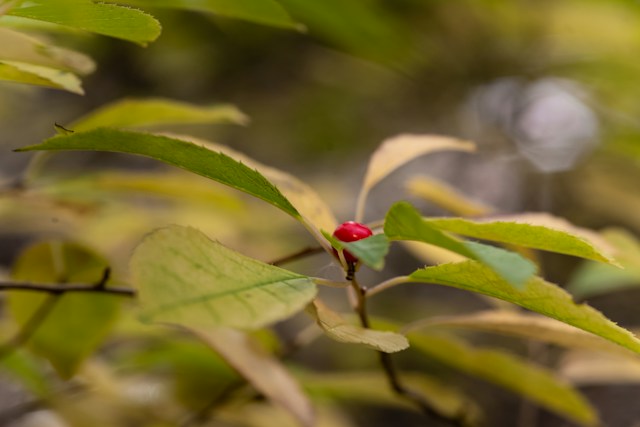
A small red berry may not look like something that belongs in a conversation about modern heart health. Yet hawthorn, a plant from the Crataegus family, has been studied for decades because of its possible effects on the heart and blood vessels.
Traditionally, hawthorn has been used for various heart and circulation concerns. Today, hawthorn extracts are often marketed as natural supplements for cardiovascular health. But the scientific picture is more complicated than the marketing sometimes suggests.
Research has found some interesting effects, particularly in people with chronic heart failure. At the same time, other clinical trials have failed to show meaningful improvements when hawthorn was added to standard treatment. That difference is important when considering what the berry can—and cannot—do.
What Is Hawthorn?
Hawthorn is a flowering shrub or small tree belonging to the rose family. Several Crataegus species are used in traditional medicine and dietary supplements.
The plant contains a variety of compounds, including flavonoids and other plant chemicals that researchers believe may influence blood vessels and cardiovascular function. Laboratory and clinical research has investigated whether hawthorn extracts can affect blood flow, vascular tone and the way the heart contracts.
But a biological effect observed in a laboratory does not automatically mean that taking a supplement will prevent heart disease or improve survival. Human clinical research is what ultimately matters.
What Does Research Say About Hawthorn and Heart Failure?
Hawthorn has received particular attention in research involving chronic heart failure.
An earlier Cochrane review examined randomized clinical trials and found that some studies reported improvements in symptoms such as shortness of breath and fatigue, along with certain measures of exercise capacity. However, the review also highlighted limitations in the available evidence, including the lack of strong information about important outcomes such as mortality.
That sounds encouraging at first, but later research provided a more cautious picture.
One randomized, double-blind trial involving 120 people with chronic heart failure tested hawthorn alongside conventional medical treatment. After six months, researchers found no significant improvement in walking distance, quality of life or several other measures of functional capacity. Although a modest difference in left ventricular ejection fraction favored hawthorn, the researchers concluded that it did not provide symptomatic or functional benefits when added to standard treatment.
This is one reason experts continue to describe the evidence as mixed rather than definitive.
Why the Evidence Is Difficult to Interpret
One challenge with herbal supplements is that products can differ considerably.
Different hawthorn species, extracts, concentrations and formulations may not contain exactly the same amounts of active compounds. Studies may also involve different patient groups and different doses.
A systematic review published in 2026 examined randomized trials of several plant extracts in people with heart failure. The researchers identified 28 studies involving 3,650 patients and included hawthorn among the plant extracts evaluated. The findings add to the research base, but they do not turn hawthorn into an established replacement for evidence-based heart-failure treatment.
For patients, the bigger question is not simply whether hawthorn can produce a measurable effect. It is whether that effect translates into better long-term health, fewer hospitalizations or longer survival. Those are much more important outcomes, and the evidence for hawthorn remains insufficient.
Hawthorn Is Not a Replacement for Heart-Failure Medicine
This is perhaps the most important point.
Heart failure is a serious medical condition that requires appropriate diagnosis and management. Modern treatment can include several types of medicines, depending on the type and severity of heart failure.
The 2022 AHA/ACC/HFSA heart-failure guideline emphasizes evidence-based medical therapy and notes that nutritional supplements and similar products generally lack sufficient evidence to replace established heart-failure treatments.
For someone already taking prescribed heart medicines, adding an herbal supplement without discussing it with a healthcare professional is therefore not a good idea.
Can Hawthorn Interact With Medicines?
Yes, and this is another reason to be cautious.
The National Center for Complementary and Integrative Health notes that hawthorn can cause side effects such as dizziness, nausea, vomiting and diarrhea. It also reports conflicting evidence concerning interactions with cardiovascular medicines, including digoxin.
The American Heart Association has also discussed potential interactions and safety concerns surrounding hawthorn in people with heart failure. Its scientific statement notes that evidence regarding hawthorn’s effects alongside conventional heart-failure medicines is limited and that possible interactions need to be considered.
There is another modern safety issue worth knowing about. In 2024, the U.S. Food and Drug Administration warned about some products sold as “tejocote root” that were found to contain yellow oleander, a toxic plant, rather than the ingredient consumers expected. This highlights a broader problem with some poorly controlled herbal products: the label does not always guarantee what is actually inside the package.
So, Is Hawthorn Good for the Heart?
The honest answer is: we do not have enough evidence to call hawthorn a proven heart-health treatment.
There are interesting findings from earlier studies, particularly concerning symptoms and exercise-related measures in some people with chronic heart failure. However, later research has not consistently confirmed meaningful clinical benefits.
That does not make hawthorn an uninteresting plant. Quite the opposite—it remains a subject of scientific research because its compounds appear to interact with cardiovascular processes.
But “promising” and “proven” are two very different words.
For everyday heart health, the basics remain much more important: regular physical activity appropriate for your age and health, a balanced diet, adequate sleep, avoiding tobacco, managing blood pressure and cholesterol when necessary, and getting medical attention for persistent or concerning symptoms.
Hawthorn has a fascinating history in cardiovascular research, and some studies have reported potential benefits. But current evidence remains mixed, and there is not enough evidence to recommend it as a replacement for established heart-failure treatment.
If you have heart failure or take heart medicines, talk with a doctor or pharmacist before using a hawthorn supplement. “Natural” does not automatically mean risk-free, particularly when a supplement may affect the cardiovascular system or interact with medication.
The berry may be small, but the science surrounding it is anything but simple.
Medical note: This article is for general health education and is not a substitute for diagnosis or treatment from a qualified healthcare professional.
Sources: Pittler MH, Guo R, Ernst E. Hawthorn extract for treating chronic heart failure. Cochrane Database of Systematic Reviews, 2008. Additional information reviewed from the National Center for Complementary and Integrative Health, American Heart Association/American College of Cardiology/Heart Failure Society of America guidance, and peer-reviewed clinical research.
Photo by Monique Caraballo on Unsplash