

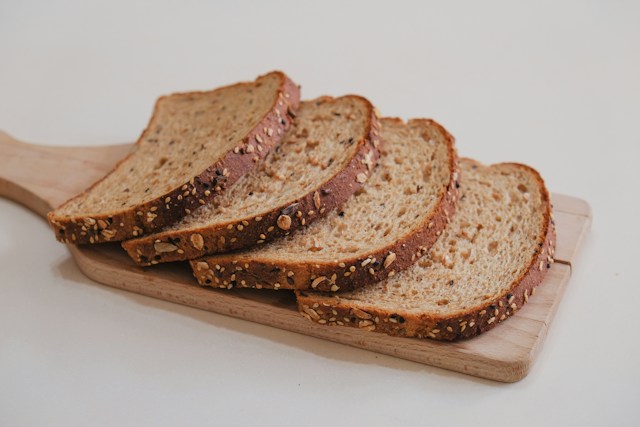
For years, people have been told to choose whole grains instead of refined grains. It sounds like ordinary nutrition advice—oatmeal instead of a sugary breakfast pastry, brown rice instead of white rice, or whole-grain bread instead of refined bread.
But newer research is giving scientists a better understanding of why that simple swap may matter.
Recent reviews and meta-analyses have linked greater whole-grain consumption with improvements in several cardiovascular and metabolic risk factors, including cholesterol, blood pressure, blood sugar and inflammation. The evidence is encouraging, although researchers caution that whole grains should be viewed as one part of an overall healthy eating pattern rather than a cure for cardiovascular disease.
What Makes a Whole Grain Different?
A whole grain contains the bran, germ and endosperm of the grain. Refining generally removes the bran and germ, changing the nutritional composition of the food.
That difference matters because the outer portions of grains contain fiber, vitamins, minerals and other plant compounds.
Fiber is particularly important.
Some whole grains, especially oats and barley, contain beta-glucan, a soluble fiber that has been studied for its effects on cholesterol. Earlier randomized trials have found that whole-grain diets can modestly lower LDL and total cholesterol compared with refined-grain controls.
The effect is not dramatic from a single meal. Instead, researchers are interested in what happens when these foods become a regular part of someone’s diet.
Your Gut May Be Part of the Story
There is another reason whole grains have attracted attention: the gut microbiome.
Dietary fiber reaches the large intestine, where intestinal bacteria can ferment some types of fiber and produce compounds known as short-chain fatty acids.
This is one reason scientists increasingly view food as something that interacts with the entire body rather than simply providing calories and nutrients.
The relationship is complex, however. Different grains contain different types and amounts of fiber, and the way a grain is processed can affect how quickly it is digested.
So an intact or minimally processed whole grain may not behave exactly like a highly processed food that happens to contain some whole-grain ingredients.
What About Blood Pressure?
Blood pressure is another area attracting attention.
A 2025 systematic review and meta-analysis of nine prospective cohort studies found that people with higher whole-grain consumption had a lower risk of developing hypertension. The researchers estimated a lower risk with increasing whole-grain intake, although the studies were observational and therefore cannot prove that whole grains themselves caused the reduction.
That distinction is important.
Healthy people who eat more whole grains may also exercise more, smoke less, eat more fruits and vegetables or have other habits that influence cardiovascular health. Researchers try to account for these factors, but observational studies cannot eliminate every possible source of confounding.
Is There a Magic Number?
This is where nutrition headlines can become misleading.
There is interest in serving amounts, but the evidence does not establish a universal “magic dose” that guarantees cardiovascular protection for every person.
Research has examined different quantities, grain types and intervention periods, making it difficult to turn the entire literature into one prescription.
The more useful takeaway is simpler: regularly replacing refined grains with whole-grain foods can be a practical part of a heart-conscious eating pattern.
That might mean oatmeal at breakfast, whole-grain bread at lunch, or brown rice, barley or another whole grain with dinner.
The Bigger Picture
Whole grains should not be treated as an isolated antidote to an otherwise unhealthy diet.
A meal built around highly processed foods does not suddenly become heart-healthy because one ingredient contains whole grains. Overall dietary quality still matters.
Protein sources, fruits and vegetables, unsaturated fats, sodium intake and physical activity all play roles in cardiovascular health.
For people managing high cholesterol, diabetes or high blood pressure, dietary changes may also need to be combined with advice from a healthcare professional.
Why This Matters Now
Heart disease remains a major health concern, while metabolic conditions such as high blood pressure, abnormal cholesterol and impaired blood-sugar regulation affect millions of adults.
That makes relatively simple dietary changes worth paying attention to.
The emerging evidence does not suggest that eating whole grains will solve those problems overnight. Instead, it points toward a quieter benefit: choosing higher-fiber, minimally processed grain foods more often may help improve several markers associated with long-term cardiovascular and metabolic health.
And perhaps that is what makes the finding interesting.
The next time breakfast includes a bowl of oats or dinner comes with a serving of brown rice, the choice may look ordinary.
At the level of cholesterol, blood sugar, blood pressure and the gut, however, researchers are finding that ordinary food choices can have measurable consequences.
The evidence is still developing, but the message is increasingly clear: whole grains can have a meaningful place in a balanced diet—and the simplest swaps may sometimes be the ones worth keeping.
Photo by Young Shih on Unsplash