

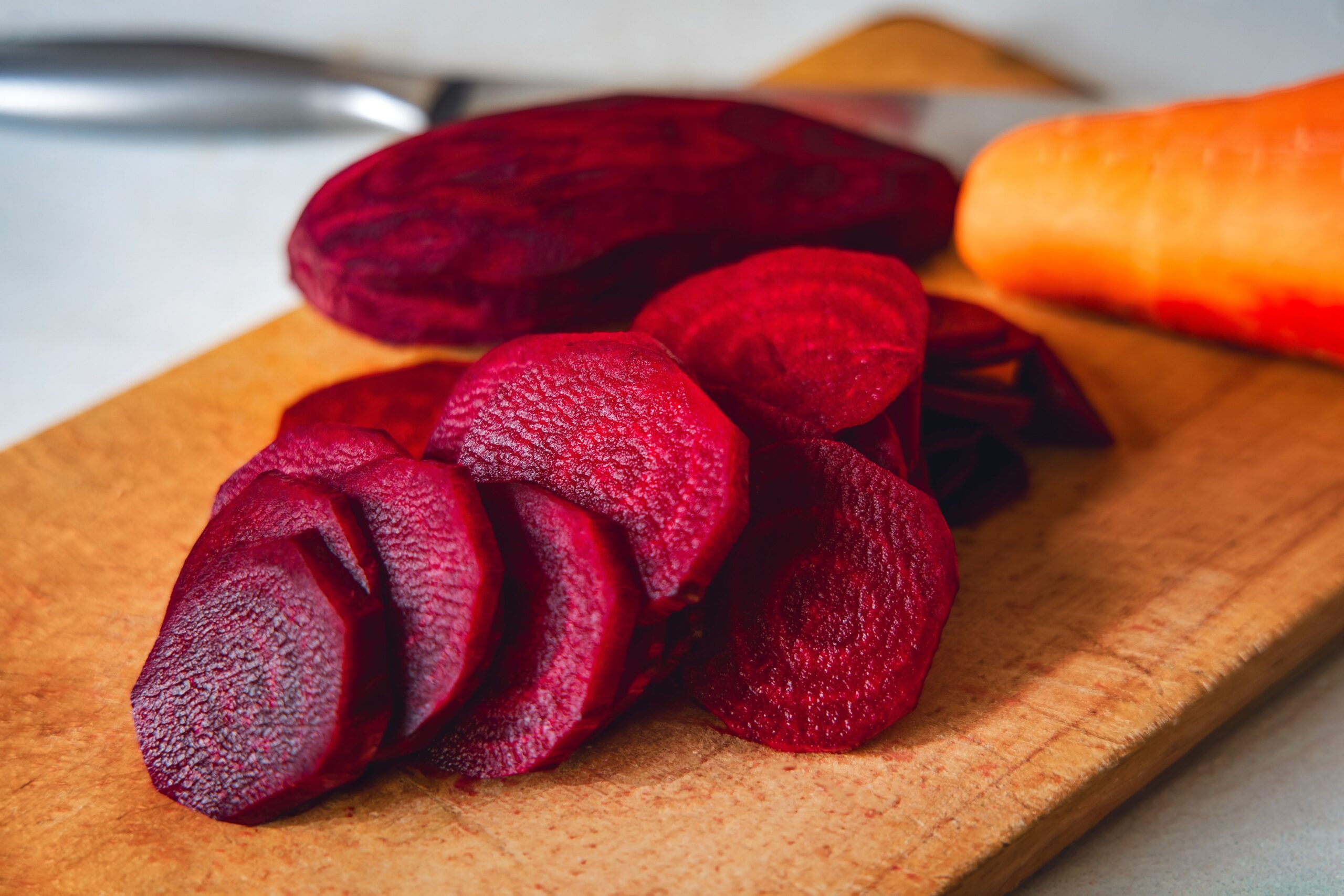
Walk through a produce market and beetroots are easy to overlook. They sit quietly among the vegetables, covered in earthy skin and carrying that unmistakable deep-red color.
But inside this humble root is a compound that has attracted serious scientific attention: dietary nitrate.
Researchers have spent years studying whether nitrate-rich foods such as beetroot can influence blood-vessel function and blood pressure. The idea is surprisingly simple. Your body can convert dietary nitrate into compounds that help produce nitric oxide, a molecule involved in relaxing blood vessels.
For older adults, that possibility is particularly interesting because blood vessels naturally become less flexible with age, while high blood pressure becomes increasingly common.
But there is an important distinction between promising nutrition research and a proven treatment. Beetroot may help support cardiovascular health, but it should not be viewed as a replacement for prescribed blood-pressure medication.
Why Blood Pressure Often Becomes More Important With Age
Blood pressure tends to rise as we get older. Arteries can gradually become stiffer, and the cardiovascular system may become less responsive to signals that normally help blood vessels relax.
Persistently elevated blood pressure puts additional strain on the heart and blood vessels. Over time, uncontrolled hypertension is associated with higher risks of stroke, heart disease, kidney problems and other complications.
That’s why a food that might produce even a modest improvement is worth investigating.
And beetroot has a particularly interesting biological pathway.
The Nitrate Connection
Beetroot contains inorganic nitrate. After you eat nitrate-rich foods, some nitrate is concentrated in saliva and converted by bacteria in the mouth into nitrite.
Nitrite can subsequently contribute to nitric oxide production under appropriate conditions.
Nitric oxide helps signal the smooth muscle surrounding blood vessels to relax. When blood vessels relax and widen, resistance to blood flow can decrease, potentially lowering blood pressure.
This is one reason researchers have been interested in beetroot juice and other nitrate-rich vegetables.
It is not magic—and it isn’t unique to beetroot. Leafy green vegetables and other vegetables can also provide dietary nitrate.
What Does the Research Actually Show?
The evidence is encouraging, but it isn’t perfectly consistent.
A 2024 systematic review and meta-analysis examined 11 randomized trials involving 349 people with hypertension. Beetroot juice was associated with an average reduction of about 5.3 mmHg in clinical systolic blood pressure compared with control interventions. However, the researchers found no significant effect on clinical diastolic blood pressure or 24-hour blood-pressure measurements, and they rated the certainty of the evidence as low.
Earlier research has also reported modest reductions. A systematic review of seven randomized trials involving 218 adults with hypertension found an average systolic reduction of about 5 mmHg, but again found no significant reduction in diastolic pressure.
For an older person with elevated blood pressure, a modest change may sound encouraging.
But there is another side to the story.
A 2024 randomized crossover study specifically involving 15 adults aged 56–71 with treated hypertension found that four weeks of nitrate-rich beetroot juice increased nitrate metabolism but did not improve blood pressure or vascular function compared with nitrate-depleted beetroot juice.
That finding is important because it reminds us that people don’t necessarily respond to beetroot in the same way.
Older Adults May Respond Differently
Age itself may influence how the body handles dietary nitrate.
In one randomized study comparing younger and older adults, whole cooked beetroot reduced blood pressure more consistently in younger participants. Among the older group, significant reductions were observed only after the highest nitrate intervention used in that experiment. The researchers suggested that age-related differences in nitrate-to-nitrite metabolism could partly explain the findings.
Other small studies have found beneficial responses in older adults. For example, a 2017 randomized crossover trial involving healthy older adults found that nitrate-rich beetroot juice increased circulating nitrate and nitrite and temporarily reduced blood pressure several hours after consumption.
So the most honest conclusion is this: beetroot has biological plausibility and encouraging clinical evidence, but its blood-pressure effect is not guaranteed.
What About the Mouthwash Connection?
One of the fascinating parts of the nitrate story involves the bacteria living in the mouth.
Those bacteria help convert nitrate into nitrite, an important step in the pathway. Research has shown that antibacterial mouthwash can interfere with this process.
That doesn’t mean you should stop taking care of your teeth.
For older adults especially, good oral hygiene remains important. If you’re using a prescription antiseptic mouthwash for a dental condition, don’t discontinue it because of beetroot research. Instead, follow your dentist’s instructions.
The bigger lesson is simply that food doesn’t act like a pharmaceutical tablet. Its effects depend on digestion, metabolism, the microbiome and the individual.
Whole Beetroot or Beetroot Juice?
You don’t necessarily need concentrated beetroot shots to include this vegetable in your diet.
Whole cooked beetroot can be roasted, steamed or added to salads and other meals. Beetroot juice is more concentrated and has been the form most frequently studied in clinical trials.
Whole vegetables also provide fiber and a broader range of nutrients, making them a valuable part of an overall healthy eating pattern.
The goal shouldn’t be to turn beetroot into a “natural blood-pressure drug.”
Instead, think of it as one colorful addition to a heart-friendly diet.
A Particularly Important Message for Older Adults
If you’re already taking medication for hypertension, don’t stop, reduce or replace it with beetroot juice without discussing it with your healthcare professional.
Blood pressure can fluctuate considerably, and treatment decisions depend on much more than one reading.
For older adults, the bigger cardiovascular picture includes regular physical activity appropriate for your abilities, a balanced diet, adequate sleep, avoiding tobacco, moderating alcohol, maintaining healthy weight where appropriate, and taking prescribed medicines correctly.
Beetroot can fit into that picture.
It doesn’t have to dominate it.
The Bottom Line
That deep crimson color isn’t just attractive on your dinner plate. Beetroot contains natural nitrate that can participate in a pathway involved in nitric oxide production and blood-vessel relaxation.
Clinical research suggests beetroot juice may modestly lower systolic blood pressure in some people with hypertension, but results vary, particularly among older adults.
That makes beetroot an intriguing food—not a miracle cure.
For someone growing older and becoming increasingly conscious of blood pressure, the simplest takeaway may also be the most useful: don’t underestimate ordinary vegetables.
A beetroot on your plate won’t replace medical care. But as part of a varied, nutrient-rich diet, it may offer one more small way to support the cardiovascular system you’re relying on every day.
Photo by Lena Ti: https://www.pexels.com/photo/sliced-beets-and-carrot-on-cutting-board-39337618/