
There is something reassuring about seeing a grandchild walk through the school gates for the first time.
A small backpack. A new pair of shoes. Maybe a photograph taken before the school bus arrives.
For generations of parents and grandparents, those ordinary moments have come with an assumption that is easy to overlook: childhood vaccines have helped make many once-common infectious diseases far less common.
But that protection only works when enough people in a community remain protected.
That is why falling childhood vaccination rates deserve attention—not only from parents, but from grandparents and older adults who may have young children in their families or may themselves be vulnerable to certain infections.
Why a Few Percentage Points Can Matter
Measles is an especially important example.
It spreads extremely efficiently, particularly in schools, childcare settings and other crowded indoor environments. When vaccination coverage is high, an infected person is less likely to encounter someone who can become infected, helping interrupt transmission.
When coverage falls, those gaps begin to connect.
The often-cited 95% figure is not a magical line that applies identically to every community. The level of immunity needed depends on the disease and local circumstances. But measles requires exceptionally high population immunity because it is among the most contagious infectious diseases known.
That means a community can look well protected on paper while still containing neighborhoods where immunity is considerably lower.
And that is where outbreaks can gain a foothold.
Measles Is More Than a Childhood Rash
It can be tempting to think of measles as a disease belonging to another era.
Older adults may remember childhood illnesses that today’s children rarely encounter. But the reason many of those diseases became uncommon was not because the viruses disappeared.
Vaccination changed the equation.
Measles can cause high fever, cough and rash, but complications can include pneumonia and inflammation of the brain. Some children become seriously ill enough to require hospitalization.
There is another concern that receives less attention: measles can temporarily weaken aspects of the immune system, leaving people more susceptible to other infections after the illness.
For families, the lesson is simple: preventing infection is preferable to relying on treatment after a serious illness has already begun.
Why Grandparents Should Care
If you are a grandparent, declining vaccination coverage may feel like an issue that belongs to your children’s generation.
It doesn’t.
Grandparents are often closely connected to school-age children. They provide childcare, attend family gatherings, travel with grandchildren and help when parents are working.
That close contact can become particularly important during an infectious-disease outbreak.
Older adults may also have chronic health conditions or take medications that affect immune function. People who have undergone organ transplantation, received certain cancer treatments or take particular immune-suppressing medications can face greater consequences from infections.
In other words, community protection is not simply about protecting children.
It can also help protect the people standing beside them.
The People Who Cannot Simply “Catch Up”
One of the most important reasons vaccination is viewed as a community issue is that not everyone can receive every vaccine at every stage of life.
Very young infants may be too young for certain routine childhood vaccinations.
Some people receiving intensive cancer treatment may not be able to receive particular live vaccines.
People with certain medical conditions may also have specific vaccination limitations.
These individuals depend partly on the people around them being protected.
That is the human side of population immunity. It is not an abstract statistic. It is the reason a baby, a cancer patient or an immunocompromised family member may be safer when fewer infectious diseases are circulating.
Why Vaccination Conversations Have Become So Difficult
The decline in vaccination coverage did not happen because every parent suddenly stopped caring about their children’s health.
The reasons are more complicated.
The COVID-19 pandemic changed how many people viewed medical institutions. Social media has made it easier for misleading health claims to spread quickly. Some families face practical barriers such as transportation problems, missed appointments, cost concerns or difficulty taking time away from work.
And some parents have genuine questions about vaccine safety.
Those concerns should not automatically be treated as ignorance.
A better approach is conversation.
A trusted pediatrician or family doctor can review which vaccines are recommended, explain expected side effects, discuss medical circumstances and identify whether a child is behind on vaccinations.
For families who have missed appointments, catching up may be easier than they expect.
What Families Can Do Now
The most useful step is not to panic. It is to become informed.
Parents and grandparents can encourage families to keep routine medical appointments and ask their healthcare professional to review vaccination records.
If a child has fallen behind, ask about a catch-up schedule rather than assuming the opportunity has been lost.
Adults should also remember that vaccination does not end with childhood. Depending on age, medical history, occupation, travel and health conditions, adults may need additional vaccines or boosters.
Older adults should speak with their own healthcare professional about which vaccinations are appropriate for them.
Rebuilding Protection Without Blame
Public health works best when people trust the information they receive.
That means healthcare professionals need to listen carefully, explain uncertainty honestly and avoid dismissing reasonable questions. Families, in turn, benefit from seeking vaccine information from qualified healthcare professionals rather than relying solely on viral posts or anonymous online claims.
The goal isn’t to win an argument.
It is to prevent avoidable illness.
A Small Decision With a Much Bigger Reach
The return of measles outbreaks is a reminder that infectious diseases can take advantage of gaps in protection.
For older adults, this issue is especially personal. The child entering kindergarten today may be your grandchild. The teacher in that classroom may be someone you know. The person whose immune system cannot safely tolerate an infection may be a member of your own family.
Vaccination decisions are made one person at a time, but their effects can extend far beyond one household.
The protective shield around a community is strongest when people have accurate information, reasonable access to healthcare and the opportunity to make informed decisions with trusted medical professionals.
And sometimes, protecting the next generation also means protecting the generation standing behind them.
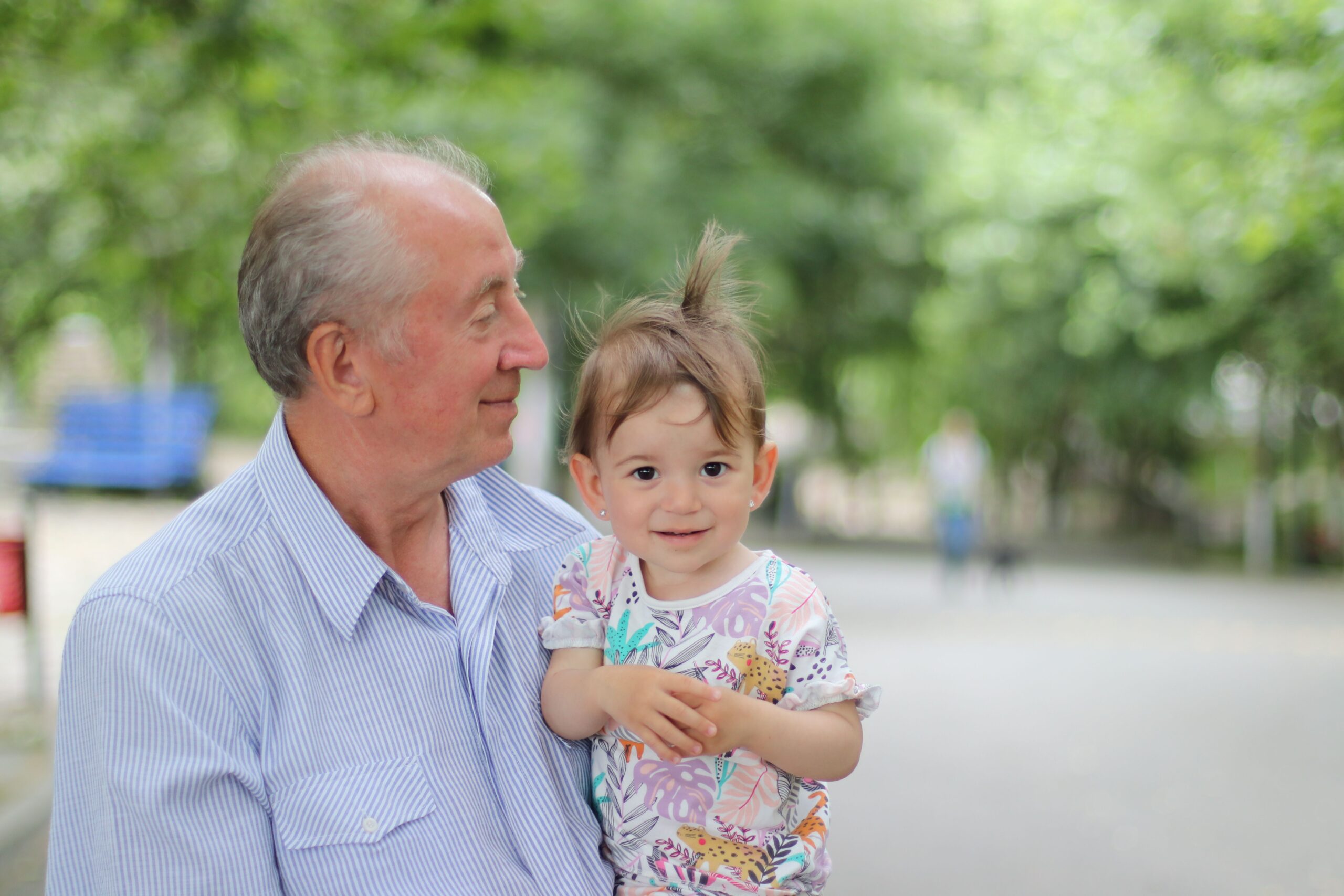
Photo by Iulian Florentin Stefancu: https://www.pexels.com/photo/an-older-man-holding-a-young-girl-in-his-arms-27567505/