

In the rapidly evolving field of geroscience—the study of the relationship between aging and chronic disease—the pursuit of longevity has shifted away from superficial cosmetic treatments and toward the manipulation of cellular pathways. For years, biological aging was viewed as an accumulation of random, unmanageable cellular damage.
However, modern cellular biology has identified a primary driver of systemic tissue degradation: the accumulation of senescent cells, colloquially referred to by longevity researchers as “zombie cells.”
The accumulation of these dysfunctional cells is a major contributor to age-related decline, driving everything from osteoarthritis to cardiovascular stiffening.
Crucially, groundbreaking preclinical trials from institutions like the Mayo Clinic have revealed that certain plant-derived compounds, known as senolytics, possess the unique molecular capacity to selectively hunt down and eliminate these zombie cells.
By analyzing the biochemistry of cellular senescence, we can understand how targeted nutrition acts as a precise tool to clear cellular debris and lower biological age.
The Biology of the ‘Zombie Cell’
To understand how dietary senolytics function, one must first look at the phenomenon of cellular senescence.
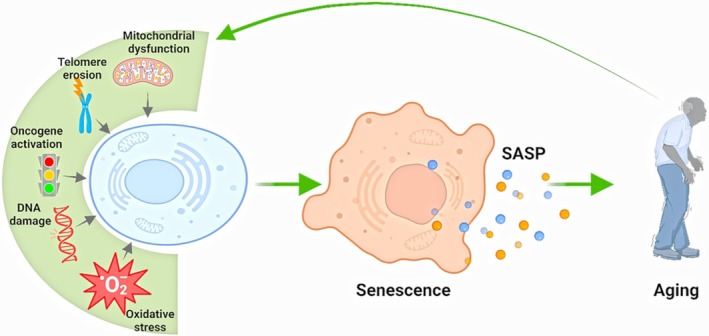
Throughout your life, normal cells divide to repair and maintain tissue structure. However, when a cell experiences extreme stress—such as critical DNA damage, oxidative stress, or the shortening of its telomeres—it reaches a genetic crossroads. It must either undergo apoptosis (programmed cell death) or enter a state of permanent arrest.
A cell that stops dividing but refuses to die is considered senescent.
Instead of remaining benign, these cells undergo a radical metabolic shift, developing what is known as the Senescence-Associated Secretory Phenotype (SASP). In this state, the zombie cell begins actively secreting a toxic cocktail of inflammatory cytokines, chemokines, and tissue-degrading matrix metalloproteinases.
This toxic secretion causes severe localized damage:
- Contagious Senescence: The SASP chemicals gradient outward, damaging neighboring healthy cells and forcing them into a senescent state.
- Extracellular Matrix Degradation: The continuous secretion of destructive enzymes systematically dissolves the collagen and elastin architecture supporting your skin, joints, and blood vessels.
- Chronic Systemic Inflammation: This localized toxicity spills over into the bloodstream, contributing heavily to “inflammaging”—the low-grade, chronic, sterile inflammation that underpins virtually all age-related chronic diseases.
Bypassing the Survival Network: How Senolytics Work
The major challenge in longevity medicine is that senescent cells are remarkably resilient. They utilize specialized protein survival networks, known as Senescent Cell Anti-Apoptotic Pathways (SCAPs), which act as an internal shield, allowing them to resist the body’s natural commands to self-destruct.
This is where the power of targeted dietary senolytics comes into play. Certain highly potent plant molecules have been shown to disable these SCAP survival networks, stripping the zombie cells of their armor and forcing them to undergo apoptosis, while leaving healthy, dividing cells completely unharmed.
The most heavily researched natural senolytics include:
1. Fisetin: The Most Potent Natural Senolytic
Fisetin is a naturally occurring flavonol found in micro-amounts in strawberries, apples, and persimmons. In comparative animal trials at the University of Minnesota, fisetin outpaced all other tested plant compounds in its ability to selectively clear senescent cells, resulting in a documented reduction in systemic inflammatory markers and an extension of median lifespan. Fisetin operates by inhibiting the PI3K/Akt/mTOR signaling pathways, effectively turning off the survival signals inside the zombie cell.
2. Quercetin: The Microvascular Shield
Found abundantly in capers, red onions, and elderberries, quercetin is a powerful polyphenol that targets a different cluster of SCAP networks than fisetin. Because it operates through distinct cellular channels, clinical researchers frequently pair quercetin with other therapeutic agents to maximize tissue clearance across diverse organ systems, particularly within the cardiovascular endothelium.
Micro-Nutrition vs. Therapeutic Cleansing: The Delivery Challenge
While incorporating foods rich in fisetin and quercetin into your diet provides excellent daily antioxidant protection, a critical clinical hurdle exists: the bioavailability bottleneck.
The concentration of senolytic compounds found within whole foods is insufficient to trigger mass cellular clearance. For example, to achieve the therapeutic blood serum concentrations utilized in clinical trials, an individual would need to consume multiple kilograms of fresh strawberries daily.
Furthermore, both fisetin and quercetin are highly lipophilic (fat-soluble) molecules, meaning they are poorly absorbed by the human digestive tract when consumed in isolation.
| Dietary Senolytic | Primary Whole-Food Sources | Optimal Clinical Delivery Context |
|---|---|---|
| Fisetin | Strawberries, Persimmons, Apples | Formulated with lipid-based carriers (like phytosomes) to increase intestinal absorption; typically administered in high-dose cyclic intervals rather than daily micro-dosing. |
| Quercetin | Red Onions, Capers, Kale | Paired naturally with healthy dietary fats (like extra virgin olive oil or avocado) to drastically enhance cellular bioavailability. |
The Future of Anti-Aging Nutrition
The discovery of natural senolytics marks a monumental shift in how modern medicine approaches aging. We are moving away from passive antioxidant defense and entering an era of active, targeted cellular cleanup.
However, it is critical to note that human clinical trials evaluating the safety, long-term efficacy, and precise cycling protocols of highly concentrated senolytic extracts are still actively ongoing.
Before exploring high-dose senolytic supplementation, the foundation of longevity must always rest on evidence-based lifestyle medicine: a nutrient-dense, plant-rich diet to limit the initial formation of senescent cells, regular resistance training to stimulate autophagy (the body’s natural cellular recycling system), and consistent, restorative sleep. By proactively protecting your cellular architecture from the inside out, you can prevent the accumulation of cellular debris, helping your body remain biologically vibrant, resilient, and youthful for decades to come.
🩺 Editorial Note & Medical Disclaimer
The information provided on healandnourish.com is intended for educational and informational purposes only and should not be construed as professional medical advice, diagnosis, or treatment. High-dose senolytic protocols are currently under clinical investigation; always consult with your physician or a qualified anti-aging specialist before initiating any concentrated supplement regimen.
References & Clinical Resources
- EBioMedicine (Lancet): Review the clinical trial outcomes regarding senescent cell clearance and tissue health via the Lancet Discovery Science Open-Access Repository.
- The Mayo Clinic Center on Aging: Access translational research updates, investigator briefs, and ongoing human safety trial data regarding senolytic therapies directly from the Mayo Clinic Research Portal.
- The Journal of Gerontology: Read peer-reviewed comparative studies detailing the high senolytic potency of fisetin on animal lifespans and cellular health at the Oxford University Press Academic Database.
- National Institute on Aging (NIA): Explore comprehensive foundational resources tracking the mechanisms of cellular senescence, the SASP pathway, and healthy aging metrics through the National Institutes of Health (NIH) Portal.