

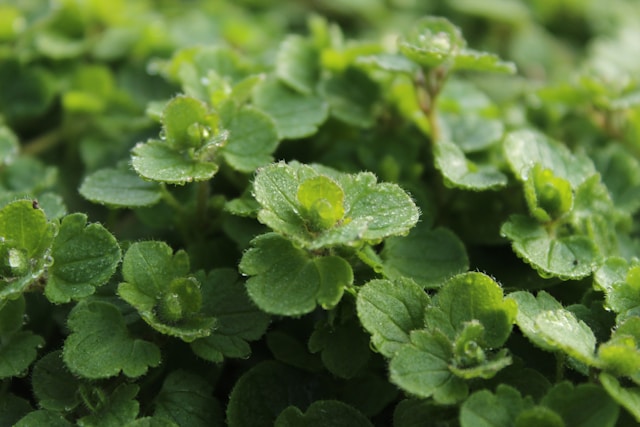
Scientists continue to investigate naturally occurring plant compounds that may contribute to future cancer treatments.
One laboratory study, published in the peer-reviewed journal Foods, examined extracts from oregano (Origanum vulgare) to better understand how they interact with melanoma cells under controlled laboratory conditions.
The findings are encouraging for researchers, but experts emphasize that the results come from cell-based laboratory experiments and do not demonstrate that oregano can prevent, treat, or cure melanoma in people.
What the Study Found
Researchers tested an ethanolic extract of oregano against melanoma cells grown in the laboratory.
According to the study, the extract reduced the survival of melanoma cells during the experiment while having less effect on healthy cells under the specific laboratory conditions tested.
Scientists believe naturally occurring compounds found in oregano, including carvacrol and thymol, may contribute to these observed effects.
How the Compounds May Work
The researchers found evidence suggesting that oregano compounds increased oxidative stress inside melanoma cells.
Oxidative stress occurs when reactive oxygen species accumulate faster than cells can neutralize them.
In the laboratory, this stress appeared to disrupt important cellular functions, including energy production and normal cell maintenance.
The study also suggested activation of biological pathways involved in regulated cell death, although additional research is needed to fully understand these mechanisms.
Why Laboratory Results Are Only the First Step
Cancer research often begins with experiments performed in isolated cells before moving to animal studies and eventually human clinical trials.
Results observed in laboratory cell cultures do not necessarily predict how a treatment will perform in people.
Researchers must still determine:
- Whether similar effects occur in living organisms.
- Safe and effective dosing.
- How the active compounds are absorbed and distributed throughout the body.
- Possible side effects and interactions with other treatments.
These questions can only be answered through additional preclinical research and carefully designed clinical trials.
Current Treatment Recommendations
Melanoma is a serious form of skin cancer that requires prompt medical evaluation and treatment.
Current evidence-based treatments may include:
- Surgery.
- Immunotherapy.
- Targeted therapy.
- Radiation therapy in selected cases.
- Other treatments recommended by oncology specialists.
Patients should not replace prescribed cancer treatments with herbal supplements or home remedies based on early laboratory studies.
Why Natural Compounds Matter in Cancer Research
Many modern medicines have been developed from compounds originally found in plants, bacteria, or other natural sources.
Studies like this help researchers identify promising molecules that may eventually contribute to the development of new medications.
The oregano study provides additional information about compounds that may warrant further investigation, but much more research is needed before any clinical application can be considered.
The laboratory findings involving oregano extracts add to the growing body of research exploring natural compounds in cancer science.
Although the results are scientifically interesting, they represent an early stage of research and should not be interpreted as evidence that oregano can treat melanoma.
Future studies, including human clinical trials, will be necessary to determine whether these compounds have a role in future cancer therapies.
Photo by Stan Hutter on Unsplash