
Polio is one of those diseases that can be easy to forget precisely because vaccination has been so successful.
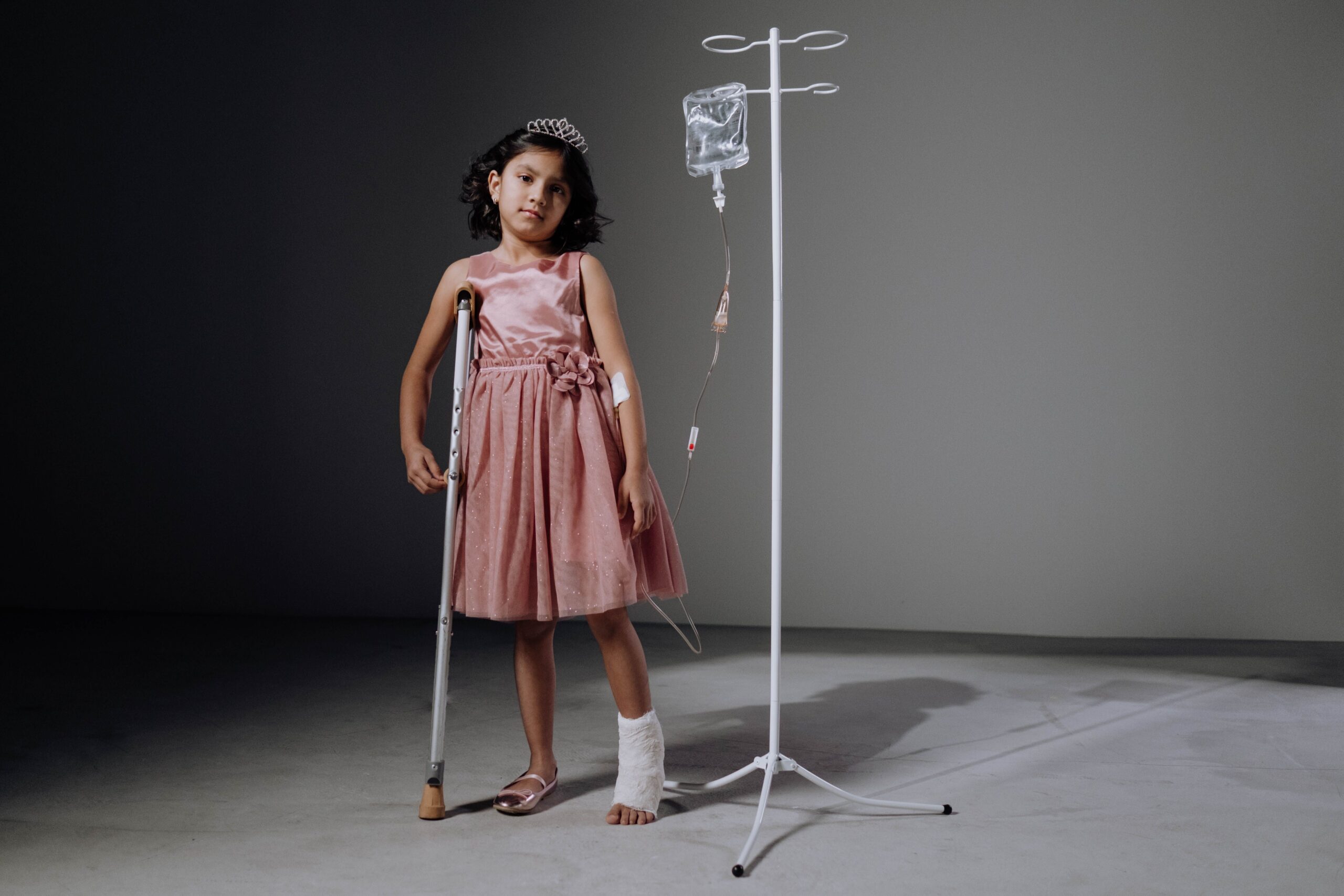
For older generations, however, polio may bring back very different memories: children walking with braces, families afraid of summer swimming pools, hospital wards filled with patients struggling to breathe, and the unmistakable sound of an iron lung.
Today, that frightening picture has largely disappeared.
Since the Global Polio Eradication Initiative began in 1988, wild poliovirus cases have fallen by more than 99%. The World Health Organization estimates that more than 20 million people are walking today who otherwise might have been paralyzed.
That is an extraordinary medical achievement.
But there is an important catch.
Polio is not gone yet.
From a Childhood Fear to a Nearly Forgotten Disease
Polio is caused by poliovirus, a highly infectious virus that can spread mainly through the fecal-oral route.
Most infections do not cause paralysis. That can make the disease deceptively difficult to detect.
In about one out of every 200 infections, the virus reaches the nervous system and causes irreversible paralysis. When the muscles responsible for breathing become affected, the disease can become fatal without respiratory support.
Before widespread vaccination, this was not a rare medical curiosity.
In 1988, an estimated 350,000 cases of paralytic polio occurred across more than 125 endemic countries. The global eradication campaign changed that picture dramatically.
For older adults who remember those years, the transformation is difficult to overstate.
A disease that once shaped childhood memories has become almost invisible in many countries.
The Vaccines That Changed Everything
Two major vaccine approaches helped turn the tide against polio.
The first was the inactivated polio vaccine (IPV) developed by Jonas Salk. It uses inactivated poliovirus and is administered by injection. It produces antibodies that protect against the virus reaching the nervous system and causing paralysis.
The second is the oral polio vaccine (OPV) associated with Albert Sabin. Given as drops, it produces strong intestinal immunity and has been particularly valuable in interrupting person-to-person transmission.
Both vaccines have played important roles in global eradication efforts, with countries using different combinations depending on their circumstances. WHO describes both as effective and safe tools for preventing polio.
The success of vaccination is perhaps easiest to understand by looking at what happened to the virus itself.
Two of the three wild poliovirus types have been eradicated: wild poliovirus type 2 was certified eradicated in 2015, while wild poliovirus type 3 was certified eradicated in 2019.
That leaves wild poliovirus type 1 as the remaining wild strain of global concern.
Why the Last Few Cases Are So Difficult
When a disease has been reduced by more than 99%, it might seem that the hardest part is over.
In infectious disease control, the opposite can be true.
The remaining transmission tends to occur in places where vaccination teams face difficult combinations of conflict, limited healthcare access, population movement, misinformation and challenging geography.
As of 2026, Afghanistan and Pakistan remain the only countries with endemic transmission of wild poliovirus. The eradication timeline has been extended, with the current strategy targeting certification of wild poliovirus type 1 eradication by the end of 2027.
And the situation is still changing.
Recent Global Polio Eradication Initiative surveillance reported additional wild poliovirus type 1 cases in Afghanistan in 2026, demonstrating why the final stage requires continued surveillance and vaccination rather than complacency.
The Problem Nobody Can See
One reason polio is so difficult to eliminate is that infection can occur without obvious paralysis.
A person may carry and spread the virus without developing the dramatic symptoms that once made polio recognizable.
That means health authorities cannot simply wait for hospitals to report paralyzed children.
They have to search for evidence of the virus before paralysis appears.
This is why wastewater surveillance has become such an important part of modern eradication efforts.
Scientists can examine sewage samples for poliovirus. If the virus is detected, public-health teams can investigate the area and strengthen vaccination efforts.
It is a remarkable transformation in disease control: instead of waiting for a child to become visibly sick, researchers can sometimes detect the virus circulating silently in a community.
What Older Adults Should Remember About Polio
For people who grew up before today’s vaccination programs became routine, polio offers an important lesson.
The disappearance of a disease does not necessarily mean the disease stopped being dangerous.
It can mean that prevention worked.
That distinction matters.
Smallpox was eradicated globally in 1980. Polio could become only the second human disease to be eradicated worldwide—but only if transmission is stopped and the achievement is maintained.
Older adults can also play an important role in preserving this history.
Many younger people have never personally known someone with paralytic polio. They may therefore struggle to understand why vaccination programs receive so much attention.
Stories from people who remember polio can put today’s public-health efforts into perspective.
The Final Mile Still Matters
The world has already demonstrated that polio can be pushed almost completely out of human life.
More than 20 million people who might otherwise have been paralyzed are walking today. That number represents millions of families whose lives took a different path because prevention worked.
But “almost eliminated” is not the same as eliminated.
As long as poliovirus continues circulating anywhere, there remains a possibility of spread to populations with insufficient immunity. WHO warns that failure to stop transmission in the remaining endemic areas could eventually allow the disease to return more widely.
The story of polio is therefore both a celebration and a warning.
Vaccines turned one of the world’s most feared childhood diseases into something many families have never seen.
Now the challenge is to finish the job.
For older adults who remember how frightening polio once was, there may be no clearer example of the power of preventive medicine: sometimes the greatest medical victory is not treating a disease—it is making sure the next generation never has to meet it.For older generations, however, polio may bring back very different memories: children walking with braces, families afraid of summer swimming pools, hospital wards filled with patients struggling to breathe, and the unmistakable sound of an iron lung.
Today, that frightening picture has largely disappeared.
Since the Global Polio Eradication Initiative began in 1988, wild poliovirus cases have fallen by more than 99%. The World Health Organization estimates that more than 20 million people are walking today who otherwise might have been paralyzed.
That is an extraordinary medical achievement.
But there is an important catch.
Polio is not gone yet.
From a Childhood Fear to a Nearly Forgotten Disease
Polio is caused by poliovirus, a highly infectious virus that can spread mainly through the fecal-oral route.
Most infections do not cause paralysis. That can make the disease deceptively difficult to detect.
In about one out of every 200 infections, the virus reaches the nervous system and causes irreversible paralysis. When the muscles responsible for breathing become affected, the disease can become fatal without respiratory support.
Before widespread vaccination, this was not a rare medical curiosity.
In 1988, an estimated 350,000 cases of paralytic polio occurred across more than 125 endemic countries. The global eradication campaign changed that picture dramatically.
For older adults who remember those years, the transformation is difficult to overstate.
A disease that once shaped childhood memories has become almost invisible in many countries.
The Vaccines That Changed Everything
Two major vaccine approaches helped turn the tide against polio.
The first was the inactivated polio vaccine (IPV) developed by Jonas Salk. It uses inactivated poliovirus and is administered by injection. It produces antibodies that protect against the virus reaching the nervous system and causing paralysis.
The second is the oral polio vaccine (OPV) associated with Albert Sabin. Given as drops, it produces strong intestinal immunity and has been particularly valuable in interrupting person-to-person transmission.
Both vaccines have played important roles in global eradication efforts, with countries using different combinations depending on their circumstances. WHO describes both as effective and safe tools for preventing polio.
The success of vaccination is perhaps easiest to understand by looking at what happened to the virus itself.
Two of the three wild poliovirus types have been eradicated: wild poliovirus type 2 was certified eradicated in 2015, while wild poliovirus type 3 was certified eradicated in 2019.
That leaves wild poliovirus type 1 as the remaining wild strain of global concern.
Why the Last Few Cases Are So Difficult
When a disease has been reduced by more than 99%, it might seem that the hardest part is over.
In infectious disease control, the opposite can be true.
The remaining transmission tends to occur in places where vaccination teams face difficult combinations of conflict, limited healthcare access, population movement, misinformation and challenging geography.
As of 2026, Afghanistan and Pakistan remain the only countries with endemic transmission of wild poliovirus. The eradication timeline has been extended, with the current strategy targeting certification of wild poliovirus type 1 eradication by the end of 2027.
And the situation is still changing.
Recent Global Polio Eradication Initiative surveillance reported additional wild poliovirus type 1 cases in Afghanistan in 2026, demonstrating why the final stage requires continued surveillance and vaccination rather than complacency.
The Problem Nobody Can See
One reason polio is so difficult to eliminate is that infection can occur without obvious paralysis.
A person may carry and spread the virus without developing the dramatic symptoms that once made polio recognizable.
That means health authorities cannot simply wait for hospitals to report paralyzed children.
They have to search for evidence of the virus before paralysis appears.
This is why wastewater surveillance has become such an important part of modern eradication efforts.
Scientists can examine sewage samples for poliovirus. If the virus is detected, public-health teams can investigate the area and strengthen vaccination efforts.
It is a remarkable transformation in disease control: instead of waiting for a child to become visibly sick, researchers can sometimes detect the virus circulating silently in a community.
What Older Adults Should Remember About Polio
For people who grew up before today’s vaccination programs became routine, polio offers an important lesson.
The disappearance of a disease does not necessarily mean the disease stopped being dangerous.
It can mean that prevention worked.
That distinction matters.
Smallpox was eradicated globally in 1980. Polio could become only the second human disease to be eradicated worldwide—but only if transmission is stopped and the achievement is maintained.
Older adults can also play an important role in preserving this history.
Many younger people have never personally known someone with paralytic polio. They may therefore struggle to understand why vaccination programs receive so much attention.
Stories from people who remember polio can put today’s public-health efforts into perspective.
The Final Mile Still Matters
The world has already demonstrated that polio can be pushed almost completely out of human life.
More than 20 million people who might otherwise have been paralyzed are walking today. That number represents millions of families whose lives took a different path because prevention worked.
But “almost eliminated” is not the same as eliminated.
As long as poliovirus continues circulating anywhere, there remains a possibility of spread to populations with insufficient immunity. WHO warns that failure to stop transmission in the remaining endemic areas could eventually allow the disease to return more widely.
The story of polio is therefore both a celebration and a warning.
Vaccines turned one of the world’s most feared childhood diseases into something many families have never seen.
Now the challenge is to finish the job.
For older adults who remember how frightening polio once was, there may be no clearer example of the power of preventive medicine: sometimes the greatest medical victory is not treating a disease—it is making sure the next generation never has to meet it.
Photo by cottonbro studio: https://www.pexels.com/photo/a-girl-in-a-pink-dress-standing-with-a-crutch-6191531/